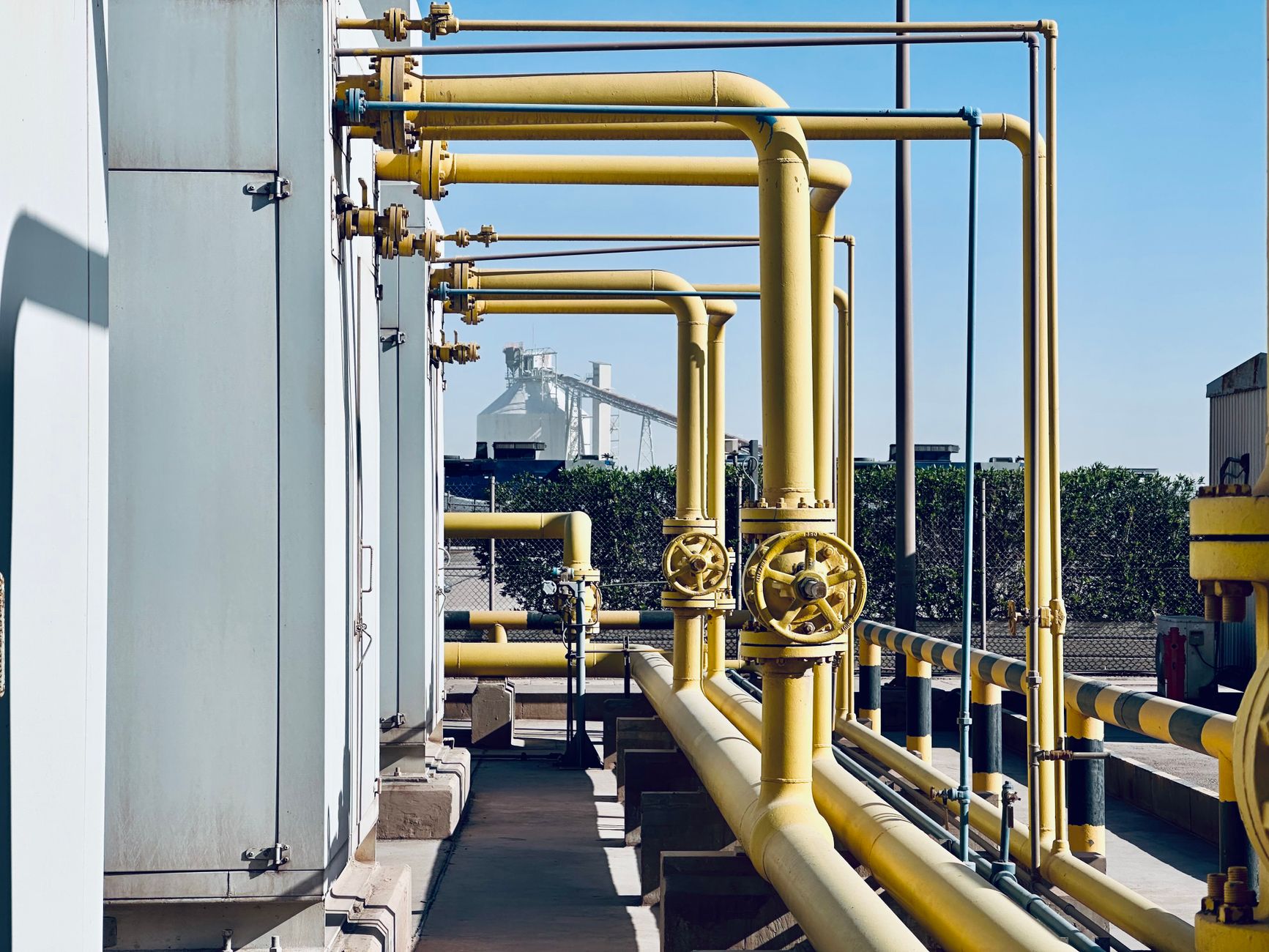
What Is a Locking Gas Valve and How Is It Used?
A locking gas valve is a mechanical flow control device featuring an integrated security mechanism that prevents the valve handle from being moved from a closed or open position without a physical key or padlock. These components ensure that high-pressure lines remain secure against tampering, accidental engagement, or unauthorized service interventions in both industrial and residential settings.
⚡ In a Rush? Key Takeaways
- Locking valves prevent unauthorized flow in systems with up to 125 PSI operating pressure.
- Lock-out/tag-out compliance requires a padlock shackle diameter of at least 6mm.
- Standard brass valves handle temperatures ranging from -20°C to +120°C effectively.
- Verify that your valve meets ANSI Z21.15 standards for safety-critical gas shutoff use.
How Does a Locking Gas Valve Mechanism Function?
These valves use a notched handle or integrated loop that accepts a padlock, physically blocking the rotation of the ball valve stem.
What are the primary locking design types?
Primary types include handle-locking tabs, key-operated cylinder locks, and external lockout brackets for standard ball valve handles.
Most industrial gas valves use a stamped steel tab integrated into the handle assembly. When the valve is in the closed position, the tab aligns with a hole on the valve body, allowing the insertion of a padlock shackle.
- Integrated tab handles provide a permanent, tamper-resistant locking point.
- Removable lockout clips allow for retrofitting standard valves in existing systems.
- Keyed cylinder locks offer higher security for public-access residential gas meters.
Why is ball valve orientation critical?
Ball valves must be locked only in the full closed position to prevent seat erosion and unintentional gas bypass in piping systems.
Locking a valve while partially open leads to severe pressure drops and potential seal cavitation. Always ensure the valve is fully seated before securing the padlock to maintain the integrity of the pressure seal.
For more complex flow requirements, you may need to consult our gas spring force calculator if your piping system involves vertical lifts or actuator-driven dampers.
What Safety Standards Apply to Gas Shutoff Valves?
Gas shutoff valves must conform to ANSI Z21.15, CSA 9.1, or equivalent regional standards for pressure rating and leakage tolerance.
What pressure ratings should you specify?
Specify valves rated for at least 150 PSI (10 bar) for standard residential service and 600 PSI for industrial gas manifold pipelines.
Operating pressure is the defining factor in valve selection. Industrial applications demand heavy-duty forged brass or stainless steel constructions to withstand structural vibration.
| Material | Pressure Rating | Typical Use |
|---|---|---|
| Forged Brass | 600 PSI | Industrial/Commercial |
| Cast Brass | 125 PSI | Residential Meter |
| 316 Stainless | 1000 PSI | Corrosive/Marine |
How do you ensure leak-proof performance?
Use valves featuring blow-out proof stems and virgin PTFE seats to ensure long-term bubble-tight shutoff in hazardous gas environments.
Check the certification markings on the valve body. Standards-compliant valves provide a consistent seal life, essential for hardware found in industrial and agricultural machinery setups.
Lockout/Tagout (LOTO) Procedures for Locking Gas Valves
Proper LOTO ensures that a locking gas valve is isolated, de‑energized, and secured before maintenance, protecting personnel from accidental gas release.
Before work begins, verify that the valve is in the intended safe position (usually closed) and that the locking device is applied. Notify affected employees, release any stored pressure, and confirm zero pressure with a calibrated gauge.
- Identify all energy sources (gas pressure, auxiliary pressure) feeding the valve.
- Shut off upstream supply and downstream vents.
- Apply the lock (padlock or key‑operated cylinder) to the valve’s locking feature.
- Tag the lock with worker name, date, and reason for lockout.
- Attempt to operate the valve to verify it is securely locked.
- After work, remove locks only when all personnel are clear and equipment is re‑pressurized per procedure.
How Do I Diagnose a Stuck Locking Gas Valve?
Stuck valves often result from mineral build-up, debris in the seat, or damaged internal stem packing under extreme temperature shifts.
Why does the valve become rigid?
Rigidity usually occurs when internal O-rings harden from lack of use or when debris enters the flow path, binding the ball mechanism.
If the valve fails to turn, do not apply excessive force to the locking handle. You risk shearing the valve stem, which creates a permanent leak path.
- Remove the locking padlock to ensure the mechanism is not binding.
- Inspect the valve body for signs of internal corrosion or external impact.
- Apply a light lubricant to the stem, but never introduce oil into a pure gas line.
Is replacement better than repair?
Replacement is always recommended for gas valves because internal seals cannot be reliably serviced without affecting the safety seal.
If you are managing high-frequency access panels, you may find that furniture and cabinetry struts or similar industrial components require similar maintenance cycles to ensure safe operational life.
Frequently Asked Questions
-
Can I lock a gas valve in the open position?
Yes, most locking valves feature tabs that accept padlocks in both the fully open and fully closed positions for safety control.
-
Are locking valves weather-resistant for outdoor use?
Yes, specify stainless steel or nickel-plated brass valves if the unit is exposed to moisture to prevent exterior body oxidation.
-
What is the benefit of a key-operated valve over a padlock?
Key-operated valves are more compact and prevent unauthorized access without needing to carry a physical padlock or shackle.