Best Gas Springs Reviewed: Choosing Top Quality for 2026
Identifying the ‘best’ gas springs depends entirely on the specific application’s demands, balancing performance with longevity and cost. In the UK and across Europe, reputable suppliers offer a range of solutions, but technical specifications are paramount. Simply choosing a well-known brand without verifying force, stroke length, and end fittings can lead to premature failure or poor operational performance. This article breaks down what truly constitutes a high-quality gas spring for various industrial, automotive, and marine uses in 2026.
⚡ In a Rush? Key Takeaways
- Optimal gas springs cost between £15-£50+ depending on application complexity and material (e.g., stainless steel).
- Inconsistent force ratings are common; always verify Newton force (N) and double-check extended length measurements.
- For marine/coastal use, 316 stainless steel offers superior corrosion resistance to standard chrome-plated steel.
- High-cycle applications demand struts rated for 50,000+ cycles; standard units may fail within 20,000.
- ✅ Verdict: Choose top-tier manufacturers with clear technical specs & certifications for reliable long-term performance.
What Differentiates High-Quality Gas Springs for 2026?
Premium gas springs are distinguished by precise force consistency, reliable cycle life ratings, superior material choices, and robust end-fitting designs suited for demanding environments.
What Defines a Gas Spring’s Quality?
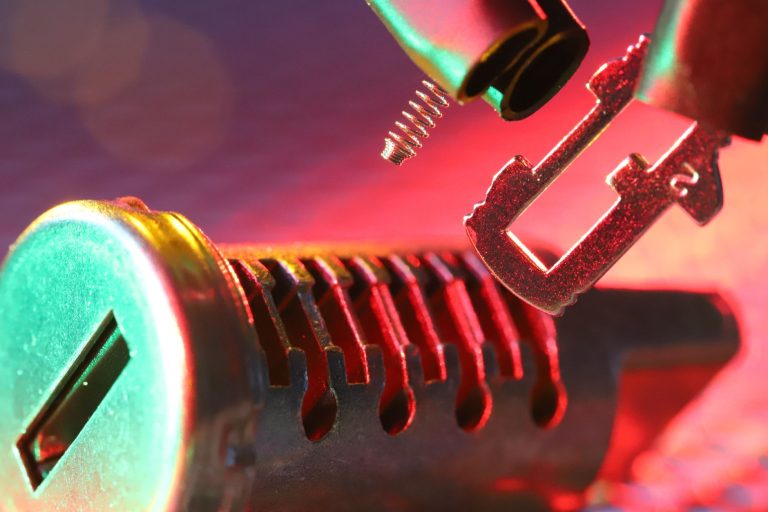
The quality of a gas spring is not merely about the brand name, but a confluence of engineering factors. At its core, a gas spring is a sealed cylinder containing pressurised nitrogen gas. The precise amount of gas, the quality of the seal, the material composition of the cylinder and rod, and the design of the end fittings all contribute to its operational integrity and lifespan. In 2026, manufacturing tolerances have become tighter, meaning that even mid-range suppliers offer acceptable performance for many standard applications like car tailgates or light cabinet doors. However, for critical industrial machinery, offshore equipment, or high-turnover automotive parts, the difference between a cheap unit and a premium one becomes starkly apparent in terms of reliability and safety.
A key indicator of quality is the consistency of its force output. Gas springs are rated by their extension force in Newtons (N), measured at mid-stroke under standard conditions (typically 20°C). High-quality springs maintain this force rating with minimal deviation across their entire stroke and maintain it reliably over thousands of cycles. Fluctuations outside a tight tolerance band (e.g., +/- 5% of stated force) suggest poor internal sealing or inconsistent gas pressurisation. This is where industrial-grade springs, often certified to ISO 9001 or AS9100 standards, demonstrate their value.
How Do Material Choices Impact Performance and Lifespan?
The materials used in gas spring construction directly influence their suitability for different operating environments. Standard gas springs typically feature carbon steel cylinders with chrome-plated rods. This construction offers excellent value and adequate performance for dry, indoor applications, such as furniture or general industrial enclosures not exposed to corrosive elements. With chrome plating, meticulous attention must be paid to maintaining the integrity of the rod’s surface; any pitting or scratching can compromise the seal and lead to gas leakage.
For more challenging conditions, such as marine environments, coastal installations, or food processing plants where frequent washdowns occur, stainless steel is the preferred material. Specifically, 316-grade stainless steel offers superior corrosion resistance compared to 304-grade or standard chrome-plated steel, significantly extending the lifespan of the gas spring and preventing unsightly rust marks or functional degradation. While more expensive, the long-term cost-effectiveness in corrosive environments is undeniable. Some manufacturers may also offer electroplated finishes for enhanced protection in moderately harsh conditions. Specifying the correct material for the intended environment is a critical step in selecting a best-in-class gas spring.
What Are the Critical Metrics for Gas Spring Specification?
Beyond brand reputation, three key metrics dictate a gas spring’s suitability: force, stroke length, and end fittings. The force, measured in Newtons (N), determines the lift capacity of the spring. It must be sufficient to counterbalance the weight of the component being lifted, plus an additional margin for reliability and ease of operation. Over-specifying force can cause the component to slam open or be difficult to close, while under-specifying results in the component slowly drifting down.
Stroke length defines the distance the rod extends or retracts. This must be precisely matched to the geometry of the application to ensure the component opens and closes fully. If the stroke is too short, the lid or hatch may not open to its intended angle. If it’s too long, the spring may bottom out or become over-compressed, leading to damage.
End fittings are the connection points. Common types include ball sockets, eyelets, and clevis brackets. The choice of fitting depends on the mounting hardware available and the required robustness. For instance, ball sockets offer quick installation and removal, ideal for lighter applications, whereas clevis brackets provide a more secure, pinned connection for heavier loads or environments prone to vibration.
How Do I Select the Best Gas Struts for Automotive Applications?
For automotive use, the best gas struts balance OEM specifications with aftermarket reliability, prioritising consistent force, durability against road conditions, and precise fitment for boot, bonnet, or tailgate replacements.
What is the Most Reliable Type of Replacement Gas Strut for Cars?
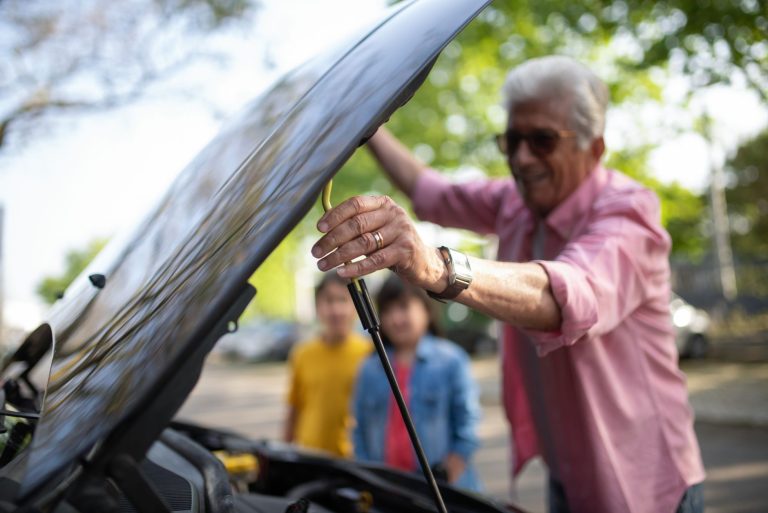
When replacing gas struts on a car’s boot, bonnet, or tailgate, reliability is paramount. The market is flooded with options, but not all offer the same longevity. Stabilus and Bansbach are frequently cited as top-tier manufacturers known for their original equipment (OEM) quality. Stabilus, in particular, supplies a vast number of vehicle manufacturers directly, meaning their aftermarket struts often match the original units precisely in terms of force and stroke. Albert Jagger’s supply of Bansbach gas springs highlights another reputable source for premium automotive parts.
However, it’s crucial to understand that ‘best’ often correlates with price. While cheaper alternatives exist, they may use lower-grade materials or have less consistent force ratings. This can lead to premature failure, particularly in harsh UK weather conditions where road salt and moisture can accelerate corrosion. For typical passenger cars, using struts from reputable aftermarket brands that clearly state the force rating in Newtons (N) and specify the extended and compressed lengths is advisable. Gas springs sold without explicit force ratings should be approached with caution.
How Do Environmental Factors Affect Automotive Gas Struts in the UK?
The UK’s climate presents unique challenges for automotive components. Road salt used extensively during winter months is highly corrosive to metal parts. Any gas strut with compromised sealing or exposed steel components is susceptible to rapid degradation. Chrome-plated rods, common on many standard struts, can become pitted over time, damaging the rod seal and causing gas leakage. This leads to the familiar problem of a tailgate or boot lid slowly drooping after a period of use.
Furthermore, temperature fluctuations can impact gas spring performance. On a very cold morning, the nitrogen gas inside the spring contracts, reducing its effective force. While gas springs are designed to operate within a range (typically -30°C to +80°C), extreme cold can temporarily weaken them, making a borderline strut feel significantly weaker. Conversely, extreme heat can increase internal pressure. For vehicles used in harsh conditions or left exposed for extended periods, selecting gas struts with enhanced corrosion protection, such as those with thicker chrome plating or specific protective coatings, is a sound investment. Some manufacturers also offer specialized units designed for extreme temperatures.
Vibration from road travel also takes a toll. Frequent jolts and shocks can stress the end fittings and internal seals. Struts with robust, positive-locking end fittings (like a well-designed ball socket or a clevis bracket) are generally more resistant to vibration-induced failure than those with flimsy connections.
Top Automotive Gas Strut Brands & Considerations
| Brand | Primary Strength | Considerations |
|---|---|---|
| Stabilus | OEM Quality, Wide Availability | Can be pricier; verify N rating |
| Bansbach (via Albert Jagger) | High Performance, Durability | Premium pricing, specialised applications |
| Industrial Gas Springs Ltd | Accredited (AS9100, ISO 9001), Bespoke Options | Focus on industrial/aerospace, may be overkill for general car use |
| Gasspringshop (Various Manufacturers) | Extensive Range, Online Tools | Requires careful spec verification; quality varies by underlying manufacturer |
| Kent Gas Springs | Bespoke & Made-to-Order Specialists | Ideal for unique requirements, lead times may vary |
How Do I Ensure Correct Fitment for My Vehicle?
To ensure correct fitment, always measure your existing gas struts. You need to record the extended length (from centre of ball socket to centre of ball socket) and the stroke length (the travel distance). Crucially, you must also identify the force rating, usually printed on the strut body itself in Newtons. If the markings are illegible, you can often find this information in your car’s service manual or online forums dedicated to your specific vehicle model. Many reputable suppliers, including those on Gasspringshop.co.uk or specialist automotive parts sites, have online tools where you can input these dimensions and find compatible replacements.
When ordering, especially for popular models like Ford Focus or VW Golf boot struts, check if a pair is recommended. If one strut shows signs of weakness, the other has likely endured similar stress and mileage. Replacing them in pairs ensures balanced operation and extends the interval before the next repair is needed. Always confirm the end fitting type to ensure compatibility with your vehicle’s mounting points. Using the incorrect fitting, even with the right force and stroke, will prevent proper installation.
What are the Best Gas Springs for Marine and Caravan Applications in 2026?
The best marine and caravan gas springs demand 316 stainless steel construction for corrosion resistance and sufficient force to counter environmental factors and variable hatch angles.
Why is Stainless Steel Essential for Marine Gas Springs?
Gas springs used in marine environments face constant exposure to saltwater, high humidity, and UV radiation – a harsh combination that rapidly degrades standard materials like chrome-plated steel. Saltwater is particularly corrosive. Even minor scratches or imperfections on a chrome rod can quickly rust and pit, compromising the vital rod seal. Once the seal is damaged, the nitrogen gas leaks out, and the strut loses its lifting force, rendering it useless.
This is why 316-grade stainless steel is not merely a recommendation but a necessity for effective marine gas struts. While more expensive than stainless steel alternatives like 304, or standard chrome-plated steel, 316 stainless offers a significantly higher level of resistance to pitting and crevice corrosion, especially in saline environments. Brands like Bansbach or specialised marine component suppliers will explicitly state the use of 316 stainless steel for their marine-grade products. For boat hatches, engine covers, locker lids, and companionways exposed to the elements, specifying 316 stainless steel is the only way to ensure longevity and reliable performance.
Consider the mounting points as well. Marine-grade end fittings, often still specified as stainless steel ball sockets or robust clevis brackets, must also withstand the same corrosive conditions. They should be designed to prevent water ingress and maintain their integrity through constant exposure and mechanical stress.
How does Hatch Angle Affect Gas Spring Sizing on Boats?
Gas spring sizing for boats presents a unique challenge: the angle of the hatch changes dynamically due to the vessel’s movement on the water. A hatch that sits perfectly at 90 degrees when the boat is stationary might be at 80 degrees when the boat heels. This change in geometry affects the torque the gas spring must overcome. A spring sized precisely for a 90-degree hold might not have sufficient force to maintain the open position at 80 degrees, especially when accounting for the reduced force due to temperature or wear.
Therefore, when sizing gas springs for marine applications, it’s advisable to slightly over-specify the force compared to a land-based equivalent. A margin of 20-30% is often recommended. This ensures the hatch remains securely open even under slightly adverse angles or environmental conditions. Utilising online gas spring calculators that allow for input of hatch angle, weight, and lever arm distances is critical. Failing to account for this dynamic angle can lead to hatches slamming shut unexpectedly, posing a safety risk.
Furthermore, the seal design becomes more critical. Marine gas springs must be designed to prevent water ingress into the cylinder, even if the rod is in a fully extended position. Some specialised marine struts feature extended bellows or specific sealing mechanisms to protect the rod and seal from direct water spray and submersion.
Key Considerations for Marine & Caravan Gas Springs
| Application | Critical Material | Key Specification | Additional Notes |
|---|---|---|---|
| Boat Hatches/Engine Covers | 316 Stainless Steel | Force (over-specified by 20-30%), Stroke, Watertight End Fittings | Consider dynamic hatch angle; UV resistance |
| Caravan Storage Compartments | Enhanced Chrome Plated Steel (Min 10mm rod) or Stainless | Force, Stroke, Corrosion Resistance (UV, Road Salt) | Frequent cycle use; temperature extremes |
| Canal Boat/Narrowboat Hatches | Galvanised or Stainless Steel | Force, Stroke, Dampening | Less salt exposure but still requires weather sealing |
How Do I Choose Gas Springs for Caravans vs. Boats?
\