How to Figure Out What Size Gas Strut Your Toy Box Needs
Why Toy Box Gas Strut Size Matters
A gas strut that’s too weak will let the lid slam shut. One that’s too strong makes opening difficult and risks pinching fingers—particularly dangerous around children. Getting the size right is about safety, durability, and ease of use.
The force rating of a gas strut is measured in Newtons (N). This number tells you how much upward force the strut delivers when compressed. For a toy box, you need enough force to hold the lid open comfortably, but not so much that it’s a struggle to close.
This guide walks you through the measurement process and shows you how to use our gas spring force calculator to pinpoint the exact Newton rating your toy box requires.
Step 1: Measure Your Toy Box Lid Weight
The weight of the lid is the primary factor in determining gas strut force. Heavier lids require stronger struts.
Use a kitchen scale or bathroom scale to weigh the lid:
- Remove the lid from the toy box and place it on a scale flat (the way it sits on the box)
- Record the weight in kilograms (kg) or pounds (lbs)
- If your scale only reads in one unit, we’ll convert during calculation
For a typical toy box lid made of plastic or thin wood, expect 2–8 kg (4–18 lbs). If you don’t have a scale, estimate based on material: thin plastic is around 2–3 kg, hardwood is 5–8 kg, and composite materials fall in between.
Pro tip: If you can’t weigh the lid easily, most toy box manufacturers list the total product weight on the original box. The lid is typically 20–30% of that total.
Step 2: Measure the Hinge Distance (Pivot Point to Gas Strut Mount)
Gas struts don’t support the entire weight directly—they work through leverage. The distance between your hinge and where the strut mounts determines how much force is needed.
Measure from the hinge axis (where the lid rotates) to the point where you’ll mount the gas strut on the lid:
- Use a tape measure or ruler
- Measure horizontally along the lid surface from hinge to mounting point
- Record in millimetres (mm) or inches
- A typical toy box has a hinge-to-strut distance of 300–600 mm (12–24 inches)
Struts mounted closer to the hinge need to be stronger because they have less mechanical advantage. Struts mounted farther from the hinge can be weaker.
Step 3: Measure the Stroke Length
Stroke is the distance the gas strut compresses from fully extended to fully collapsed. This determines how much the lid can open.
To find your required stroke:
- Close the lid completely
- Open the lid to the angle you want (typically 90° for easy access)
- Measure the vertical distance the lid moves at the far edge
- This vertical movement equals your required stroke in millimetres
A typical toy box needs 100–150 mm (4–6 inches) of stroke for practical opening angles. If you want the lid to open fully flat (180°), you may need 200+ mm.
Alternative method: If the toy box already has old gas struts, measure them when fully extended versus fully compressed. The difference is the stroke.
Step 4: Determine the Mounting Angle
The angle at which the gas strut mounts affects its efficiency. Most toy box struts mount at 45–75° from horizontal.
When the lid is open to your target angle, estimate the angle between the gas strut body and the lid surface:
- Horizontal mount (0°) = less efficient, needs stronger strut
- 45° angle = moderate efficiency, common for toy boxes
- 90° angle (vertical) = most efficient, needs weaker strut
Most DIY toy box installations use 45–60°. This angle provides good balance between space efficiency and force requirements.
Step 5: Use the Gas Spring Force Calculator
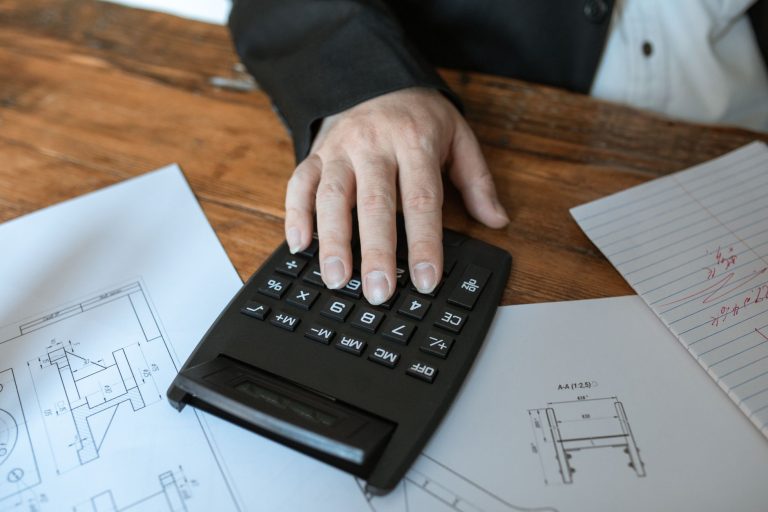
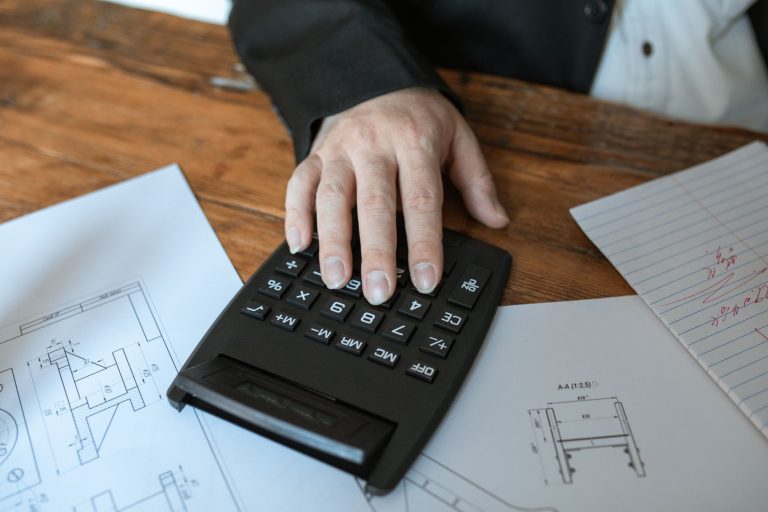
Now that you have your measurements, use our gas spring force calculator to determine the exact Newton force you need:
- Enter the lid weight (kg or lbs)
- Enter the hinge-to-mount distance (mm or inches)
- Enter the stroke length
- Select your mounting angle
- The calculator returns a recommended force range in Newtons
The calculator typically recommends a range (e.g., 500–600 N) rather than a single number. This range accounts for friction and real-world variations.
Understanding Your Force Calculation Result
Gas strut force in Newtons tells you the upward push per strut. Most toy boxes use two struts (one on each side), so the total support is the Newton rating multiplied by 2.
Example: If the calculator recommends 250 N per strut, and you install two struts, total support = 500 N.
The recommendation accounts for gravity working against you as the lid opens. When the lid is fully open (90°), gravity no longer helps; the strut must support the full weight. When the lid is closing, gravity helps, so the strut feels weaker.
Standard Gas Strut Sizes for Toy Boxes
Most toy boxes fit into these force and stroke categories:
| Lid Weight (kg) | Typical Force Per Strut | Typical Stroke (mm) | Example Use |
|---|---|---|---|
| 2–3 kg (4–7 lbs) | 150–250 N | 100–120 mm | Light plastic toy boxes, small chests |
| 4–6 kg (9–13 lbs) | 250–400 N | 120–150 mm | Standard plastic/composite toy boxes |
| 6–8 kg (13–18 lbs) | 400–600 N | 150–180 mm | Wooden toy boxes, storage chests |
| 8+ kg (18+ lbs) | 600+ N | 180–200 mm | Heavy wood or reinforced boxes |
Accounting for Friction and Temperature
Real-world performance depends on two factors the calculator estimates:
Friction in hinges and struts: Gas struts lose 10–15% of their rated force to friction. This is why the calculator recommends a range, not exact value. Choose the midpoint or slightly higher end of the range to account for this loss.
Temperature effects: Gas inside the strut expands when warm and contracts when cold. A strut rated at 400 N at 20°C will deliver about 360 N at 0°C and 420 N at 40°C. For toy boxes in unheated garages or attics, consider the coldest temperature and choose a slightly stronger strut if needed.
Common Toy Box Strut Configurations
Most toy boxes use one of these setups:
Two struts (standard): One on each side of the lid. This is most common and provides balanced, stable support. Total force = force per strut × 2.
Single center strut: Less common, used on narrower boxes. Requires a stronger strut and can cause uneven lift if not perfectly centered.
Four struts (heavy/commercial boxes): Industrial storage boxes or heavy wooden chests. Total force = force per strut × 4.
How to Check Your Calculation
After sizing, do a practical check before ordering:
- Lid opens easily? The strut should require light finger pressure to open, not force
- Lid stays open? When held at 90°, it should stay without dropping
- Lid closes smoothly? You should be able to lower it gently; it shouldn’t slam
- No binding or sticking? Motion should be smooth throughout the range
If the lid feels too hard to open after installation, your strut is too strong. If it won’t stay open or slams shut, it’s too weak.
Where to Buy Correctly Sized Gas Struts
Once you know your force and stroke, search for struts matching those specs. Our gas strut size finder tool can help identify compatible parts by toy box brand or custom spec.
For standard toy boxes, look for struts rated in these ranges:
- End fitting type: eye-to-eye (most common for toy boxes)
- Force: 150–600 N depending on weight
- Stroke: 100–180 mm
- Material: Zinc-plated steel for durability, stainless steel for damp environments
Popular suppliers stock gas struts pre-packaged for toy boxes, or you can use our calculator to order custom-spec struts.
Installation Tips After Sizing
Correct sizing is only half the equation; installation matters too.
Mount distance: Keep both struts the same distance from the hinge to ensure balanced lift. Uneven mounting causes the lid to tilt open.
Angle consistency: Install both struts at the same angle for smooth, level movement.
Secure attachment: Use the correct hardware (bolts or rivets) specified by the strut manufacturer. Loose struts can slip or fail prematurely.
If you’re unsure about installation, see our guide on how to install gas struts safely.
Replacing a Failed Toy Box Strut
If one strut fails and you’re replacing it, measure the old one or use the same process outlined above. Record the force rating from the failed strut’s body—usually printed on the rod or barrel. This confirms your toy box’s original spec.
If the old strut spec is unreadable, follow the measurement steps again to re-confirm, then order the same force/stroke combination.
Summary: Sizing Your Toy Box Gas Strut
To determine the correct gas strut size:
- Weigh the lid (2–8 kg typical)
- Measure hinge-to-mount distance (300–600 mm typical)
- Measure stroke needed for your desired open angle (100–180 mm typical)
- Note the mounting angle (45–75° typical)
- Enter these into the gas spring force calculator
- Order struts matching the recommended Newton force and stroke
- Install with both struts at the same angle and distance
Correct sizing ensures your toy box is safe, easy to use, and built to last. Take the measurements seriously—they’re the foundation of a smooth-operating lid.