Industrial Hardware Specification Guide 2026
Industrial hardware refers to the high-tolerance mechanical components, such as gas springs and load-bearing hinges, required for machinery and enclosure integrity.
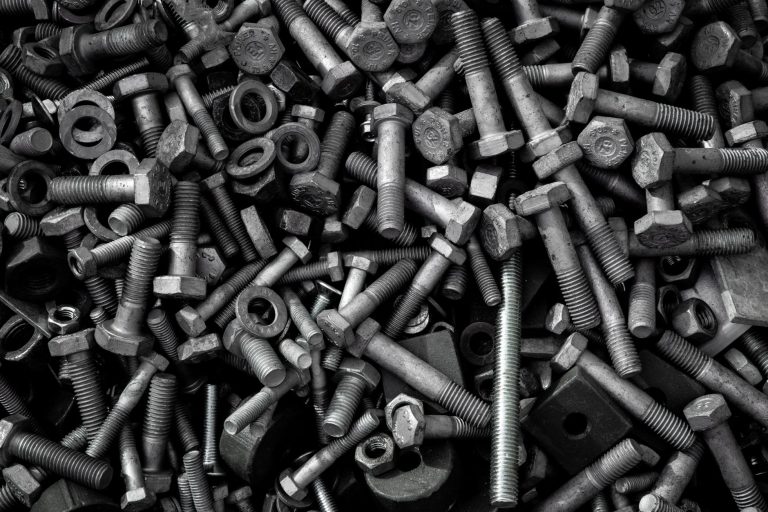
Industrial hardware refers to the high-tolerance mechanical components, such as gas springs and load-bearing hinges, required for machinery and enclosure integrity.

Lift supports are hydro-pneumatic devices that provide lifting and holding force for panels, lids, and hatches using compressed nitrogen gas. They are essential in automotive, furniture, marine, and industrial applications.

Correct installation is critical for gas spring performance. This guide outlines professional mounting techniques, geometry considerations, and safety protocols.
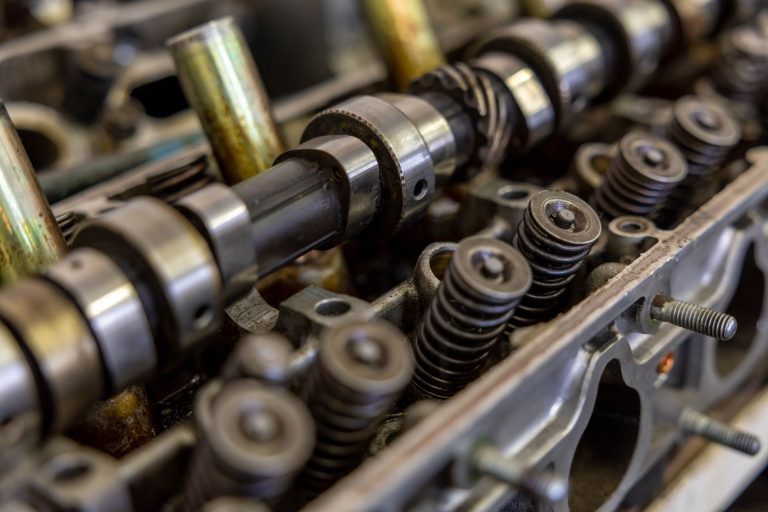
Industrial springs are mechanical devices engineered to store and release energy, with performance dictated by material metallurgy and geometry.

Tension springs are helically coiled mechanical components designed to provide a resistive force when subjected to an axial pulling load. This guide details specification parameters for engineering and procurement applications.
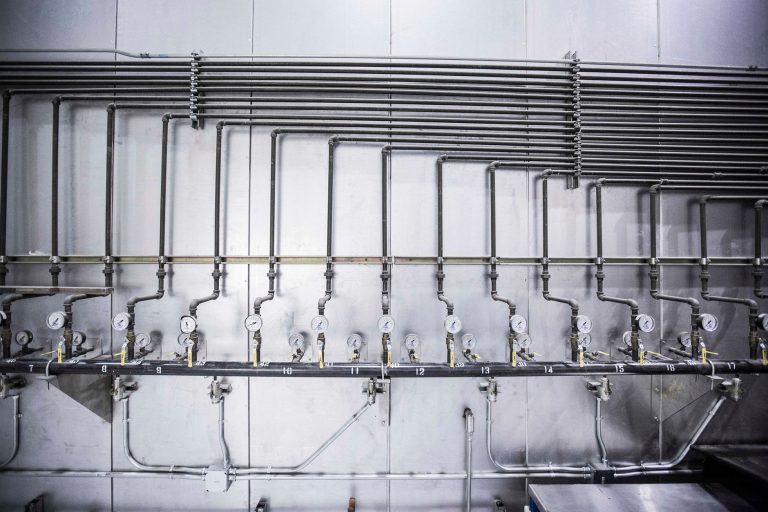
Gas springs are hydro-pneumatic lifting devices that use compressed nitrogen to provide balanced force and controlled damping for mechanical systems.

Learn how to correctly select gas springs by calculating required force, determining stroke length and accounting for mounting position. Avoid costly selection errors with this technical guide.

Spring force calculation requires mapping lid weight, hinge distance, and mounting geometry to determine the correct Newton rating for your specific application.

Gas struts, or gas springs, are self-contained, maintenance-free hydro-pneumatic lifting devices used to assist in the support and movement of heavy lids, hatches, and panels.
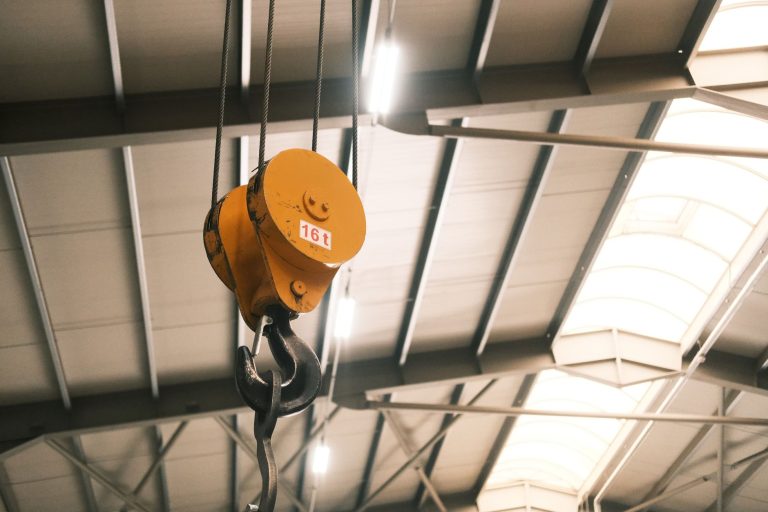
Lift supports, or gas struts, are pressurized gas cylinders designed to provide controlled assist and hold-open functionality for automotive and industrial panels.