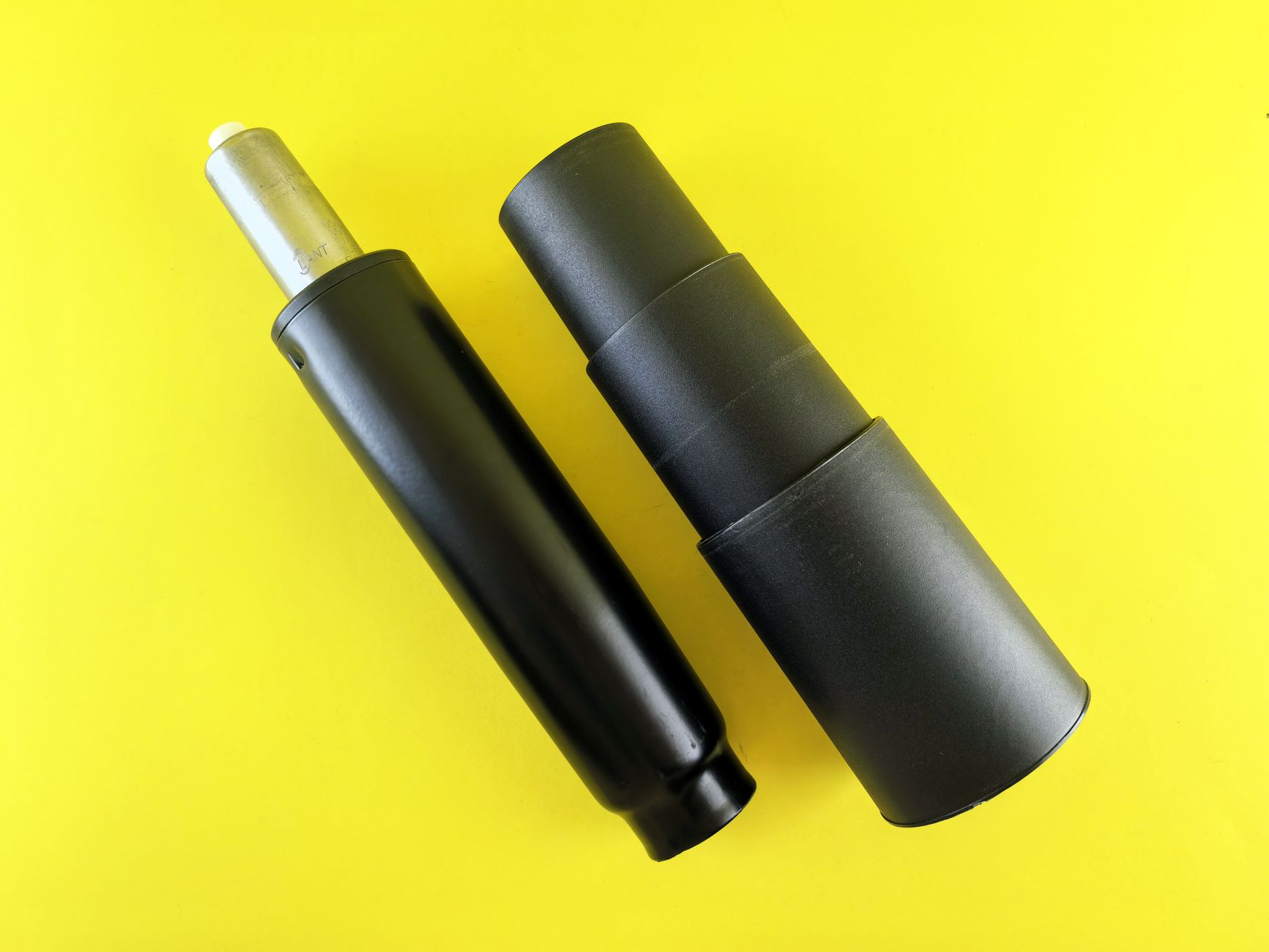
Best Locking Gas Springs in 2026: Industrial Selection Guide
The best locking gas springs are identified by their ability to maintain a fixed position under varying loads through a secondary release mechanism, typically a plunger or cable-actuated valve. Unlike standard struts that rely on internal pressure to hold position, locking variants use a mechanical or hydraulic lock to prevent movement until the operator engages the release.
⚡ In a Rush? Key Takeaways
- Rigid locking springs prevent deflection with up to 2500N of axial holding force.
- Elastic locking allows for slight movement, providing better shock absorption in dynamic loads.
- Always specify release stroke lengths under 3mm for consistent, reliable mechanism actuation.
- Select 316 stainless for outdoor use to avoid premature seal failure from salt-induced pitting.
- ✅ For heavy machinery guards, prioritise rigid locking struts with integrated safety release valves.
What Are the Types of Locking Gas Springs?
Locking gas springs exist in rigid and elastic formats, with rigid types preventing all movement and elastic versions allowing minimal spring-based travel.
How Do Rigid Locking Gas Springs Function?
Rigid locking gas springs use a piston valve to trap oil on both sides of the main seal, completely blocking movement in extension and compression.
Rigid locking is the engineering standard for applications requiring zero position drift. By trapping incompressible hydraulic fluid, the strut acts as a solid mechanical member once the valve is closed.
This is critical for medical beds, height-adjustable tables, and heavy inspection hatches where operator stability is paramount. Even under high vertical loads, the spring remains stationary until the gas spring force is neutralized by the valve release.
Why Choose Elastic Locking Gas Springs?
Elastic locking gas springs use trapped gas to lock, allowing for a slight, spring-cushioned movement when a heavy load is applied to the strut.
Elastic locking is preferable when the assembly needs to absorb vibration or sudden load spikes. Because the lock acts against the gas charge rather than a hydraulic column, it provides a ‘soft’ stop.
These are frequently specified for operator seats and vehicle cab interior components. They offer a compromise between the stability of a rigid lock and the dynamic dampening of a standard industrial gas strut.
What Release Mechanisms Are Available?
Locking gas springs use either a plunger‑type or cable‑actuated valve to engage and disengage the internal lock, each offering distinct advantages for different operating environments.
Plunger releases are integrated directly into the rod end; pressing the plunger opens the valve, allowing oil or gas to flow and releasing the lock. This design is compact, resistant to tampering, and ideal for space‑constrained installations such as medical equipment or office furniture.
Cable‑actuated releases route a flexible cable to a remote actuator, enabling the lock to be operated from a convenient location—common on automotive hoods, industrial guards, or heavy machinery where direct access to the spring is impractical. Cable systems also allow for adjustable release force and can be paired with safety interlocks.
How Do I Specify the Correct Force Rating?
Force rating is selected by calculating the mass of the panel, the distance to the center of gravity, and the mechanical advantage of the mount.
What Geometric Factors Influence Force Calculations?
Mounting geometry, specifically the hinge-to-pivot distance, dictates the effective leverage the spring exerts throughout the full arc of movement.
- Identify the total panel weight in Newtons.
- Measure the distance from the hinge pivot to the center of gravity.
- Calculate the required Newton output using a gas spring force calculator to verify your mounting points.
- Ensure the spring holds the load at the lowest and highest operating temperatures.
Which Mounting Orientations Are Recommended?
Mounting the rod end downward is the standard requirement to ensure the internal seal remains lubricated by the oil for maximum cycle life.
Orientation affects both performance and longevity. If the oil-soaked seal is allowed to dry out, the nitrogen charge will vent, leading to premature locking failure.
What Are the Common Failure Modes to Avoid?
Failure is typically caused by seal contamination, side-loading the rod during operation, or exceeding the rated cycle life of the valve mechanism.
Why Do Locking Mechanisms Seize?
Seizure often results from debris ingress at the release pin or moisture penetration within the cable-actuated trigger system in outdoor settings.
Locking mechanisms have tight tolerances. Even microscopic dust can prevent the valve from seating correctly, leading to ‘creeping’ where the strut loses its lock over time.
How Does Side Loading Damage the Strut?
Side loading occurs when brackets are misaligned, forcing the rod to rub against the seal and creating uneven wear that prevents effective locking.
| Feature | Standard Strut | Locking Strut |
|---|---|---|
| Positioning | Infinite | Fixed |
| Control | Manual | Actuated |
| Failure Mode | Gradual Loss | Seal/Valve |
Frequently Asked Questions
-
How often should I service a locking gas spring?
Locking gas springs are sealed units that do not allow for field servicing; replace the entire assembly if the valve or seals start to leak.
-
Can I replace a standard strut with a locking one?
Replacement requires verifying mounting space and adding a release mechanism, as the larger body diameter of locking units may cause clearance issues.
-
What is the benefit of a 316 stainless finish?
316 stainless steel provides superior resistance to corrosion in marine or food processing environments compared to standard zinc-plated finishes.