Gas Struts: A Professional Guide to Selection and Specification in 2026
Gas struts are nitrogen-charged cylinders providing controlled extension force for industrial, automotive, and furniture applications.

Gas struts are nitrogen-charged cylinders providing controlled extension force for industrial, automotive, and furniture applications.
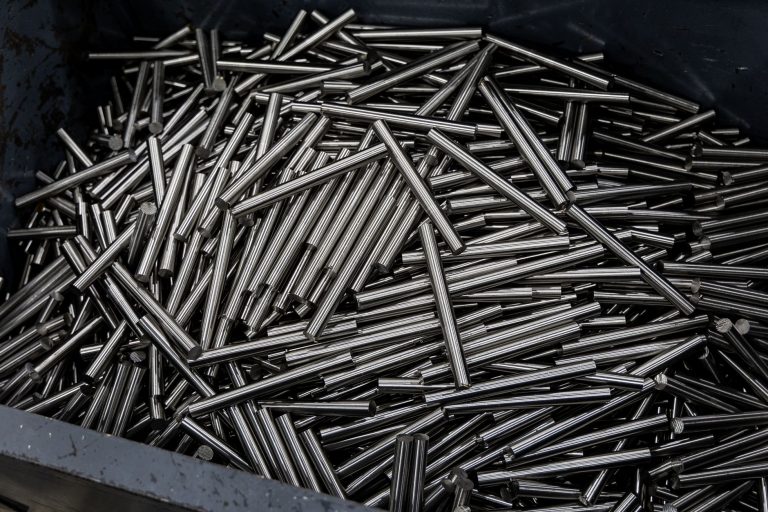
Stainless steel gas springs are essential for corrosive environments where standard carbon steel struts fail due to oxidation or chemical exposure.

Correct gas spring installation requires specific attention to rod orientation and mounting geometry to prevent seal failure and mechanical binding.
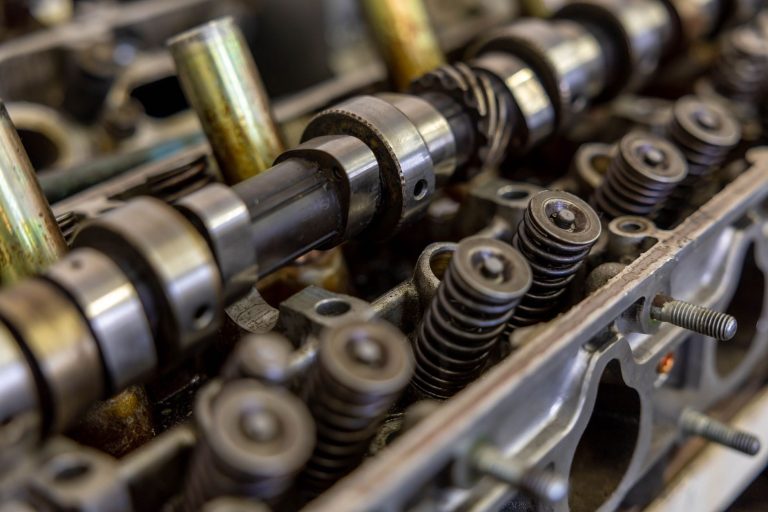
Industrial springs are mechanical components designed to store and release energy in high-cycle, heavy-duty applications across manufacturing and machinery sectors.

Tension springs are helical springs designed to resist a pulling force, extending in length as load is applied to the end hooks or loops.
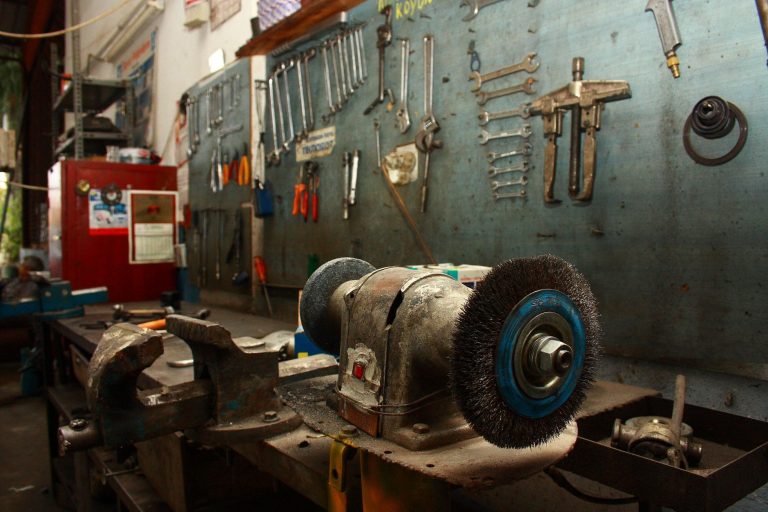
Compression springs are helical coils designed to resist compressive force. This guide covers technical selection, spring rate calculations, and material choices.

Spring force calculation is crucial for ensuring the safety and performance of industrial equipment. Our guide provides a step-by-step approach to calculating spring force, including examples and formulas.
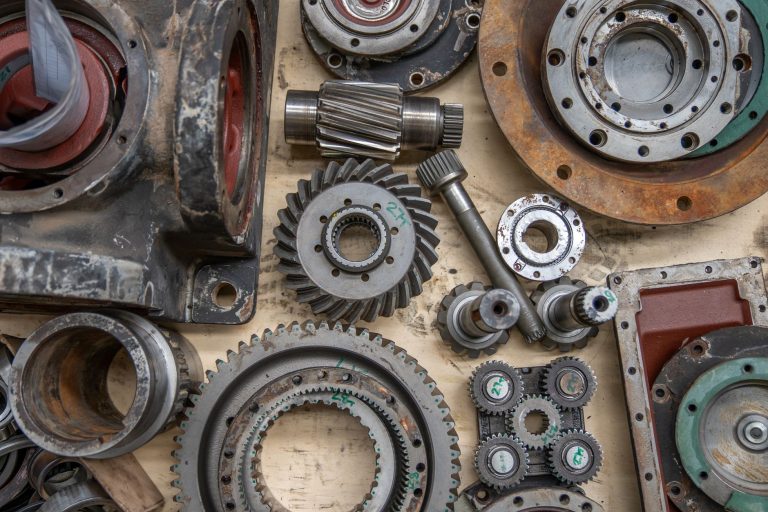
Industrial hardware encompasses the mechanical components—fasteners, hinges, and latches—that underpin structural integrity in machinery and architectural applications.
This technical guide details the critical parameters for specifying compression springs, including wire diameter, spring rate, and material selection for industrial performance.
Selecting industrial-grade gas springs demands an understanding of cycle longevity, material composition, and precise force calibration for your specific application.