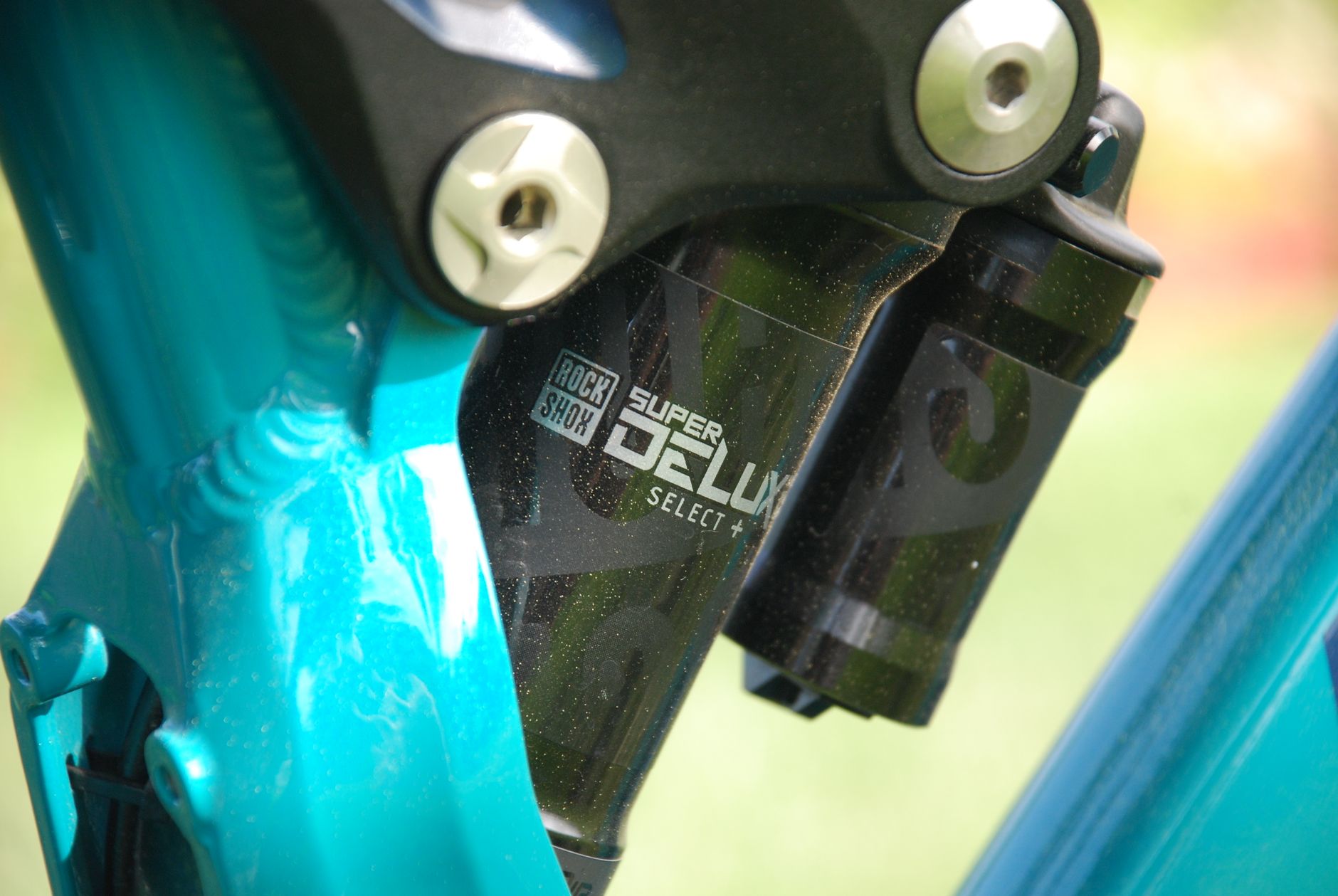
Gas Spring Dampers Explained: Why Damping Matters for Motion Control in 2026
A gas spring damper is an integrated hydraulic mechanism that controls the speed of a spring’s movement to prevent uncontrolled extension or harsh mechanical stops. It functions by forcing oil through a calibrated orifice at the end of the stroke, which dissipates energy and provides a smooth, controlled deceleration at the end of travel.
⚡ In a Rush? Key Takeaways
- Damping prevents mechanical impact damage, extending the cycle life of equipment by 30-50%.
- Hydraulic oil volume is the primary factor controlling deceleration force in standard dampers.
- Operating temperatures outside 5°C–40°C can alter damping performance by up to 20% due to oil viscosity changes.
- Always match the damping speed to the mass of the lid to prevent slamming or sluggish motion.
How Does a Gas Spring Damper Work?
Dampers function by forcing internal hydraulic oil through a calibrated valve as the piston nears the end of its stroke, slowing motion.
Why is internal oil volume critical for damping?
Oil volume dictates the total energy absorption capacity of the damper, ensuring that kinetic energy is dissipated smoothly at end-stop.
The damper relies on the transition of the piston through a specific oil-filled zone. As the gas spring approaches full extension, the piston enters the oil reservoir, which acts as a hydraulic cushion.
Without this hydraulic buffer, the spring would hit the end of its travel at full velocity. This causes structural stress on hinges and mounting brackets.
- Ensures consistent deceleration speeds
- Reduces noise during open/close cycles
- Protects cabinet carcasses from impact cracking
- Maintains steady control for heavy lids
What determines the speed of the damping?
The orifice size in the piston valve determines how fast oil flows, directly controlling the extension or compression damping speed.
Engineers calculate the damping speed based on the load mass and the time required for a controlled opening. A smaller orifice results in higher resistance and slower motion.
For high-cycle industrial machinery, we often specify variable orifice dampers. These provide consistent performance despite fluctuating ambient temperatures that affect oil viscosity.
Which Applications Require Integrated Dampers?
Applications involving lids, hatches, or machine guards over 5kg benefit from integrated dampers to prevent structural damage.
Are dampers necessary for light furniture cabinets?
Dampers are recommended for kitchen overhead cabinets above 700mm in height to prevent slamming and protect fragile hinge points.
I frequently see standard struts installed on light doors where they aren’t strictly required. However, for a premium user experience, the damping prevents the door from banging against the frame.
If you are building custom cabinetry, check our gas spring force calculator to ensure your door weight aligns with your chosen damper strength.
How do dampers perform in heavy industrial access hatches?
Industrial hatches require heavy-duty damping to safely absorb the kinetic energy of large lids during rapid opening sequences.
When dealing with metal covers exceeding 20kg, a lack of damping can lead to catastrophic hardware failure. The damper forces the lid to slow down precisely before hitting the safety stop.
In these environments, we use heavy-duty cylinders with high-pressure nitrogen charges. These designs ensure the measured extension length remains accurate despite high operational strain.
How Do I Troubleshoot a Failing Damper?
A failing damper shows signs of slamming at end-stroke, oil leakage near the seal, or inconsistent speed during the final travel phase.
Why does my gas spring slam at the end of travel?
Slamming at end-stroke indicates the internal hydraulic oil has leaked or the damping valve has failed, losing energy absorption.
If your strut slams, the damping zone has been compromised. This is often caused by mounting the spring in an incorrect orientation, such as rod-end-up when it requires rod-end-down.
Always verify the end fitting specifications to ensure the piston seal remains fully immersed in the internal hydraulic fluid.
Can a worn damper be repaired or refilled?
Dampers are sealed units and cannot be repaired; once damping performance is lost, the entire gas spring assembly requires replacement.
Attempting to modify or refill a sealed nitrogen-charged cylinder is a significant safety hazard. The pressurized gas can cause explosive failure of the casing.
Frequently Asked Questions
-
Can I adjust the damping speed of a stock gas spring?
Stock gas spring damping is factory-set and cannot be adjusted; custom orifice sizes must be specified during the order process.
-
Is horizontal mounting bad for damper performance?
Horizontal mounting may cause the internal oil to settle away from the seal, potentially leading to inconsistent or noisy damping.
-
Does cold weather affect damper effectiveness?
Yes, low temperatures increase hydraulic oil viscosity, causing the damper to slow down significantly or appear sluggish in operation.
Additional Considerations
Adjustable vs Fixed-Orifice Dampers
Adjustable-orifice dampers allow field tuning of damping speed via a screw or dial, while fixed-orifice models have a preset flow restriction set at manufacture.
Adjustable designs are useful when the load mass may vary over the product’s life or when fine‑tuning of motion feel is required, such as in ergonomic workstations or adjustable hospital beds. Fixed-orifice dampers, by contrast, offer simpler construction, higher reliability under harsh conditions, and are often preferred for high‑volume consumer goods where cost and consistency are paramount.
When selecting between the two, consider the need for after‑market serviceability, the expected range of operating loads, and the environmental exposure (e.g., temperature swings) that could affect oil viscosity. Many manufacturers provide adjustable dampers with a lock‑nut to secure the chosen setting after calibration.