Gas Spring Dampers Guide: Function, Selection, and Maintenance 2026
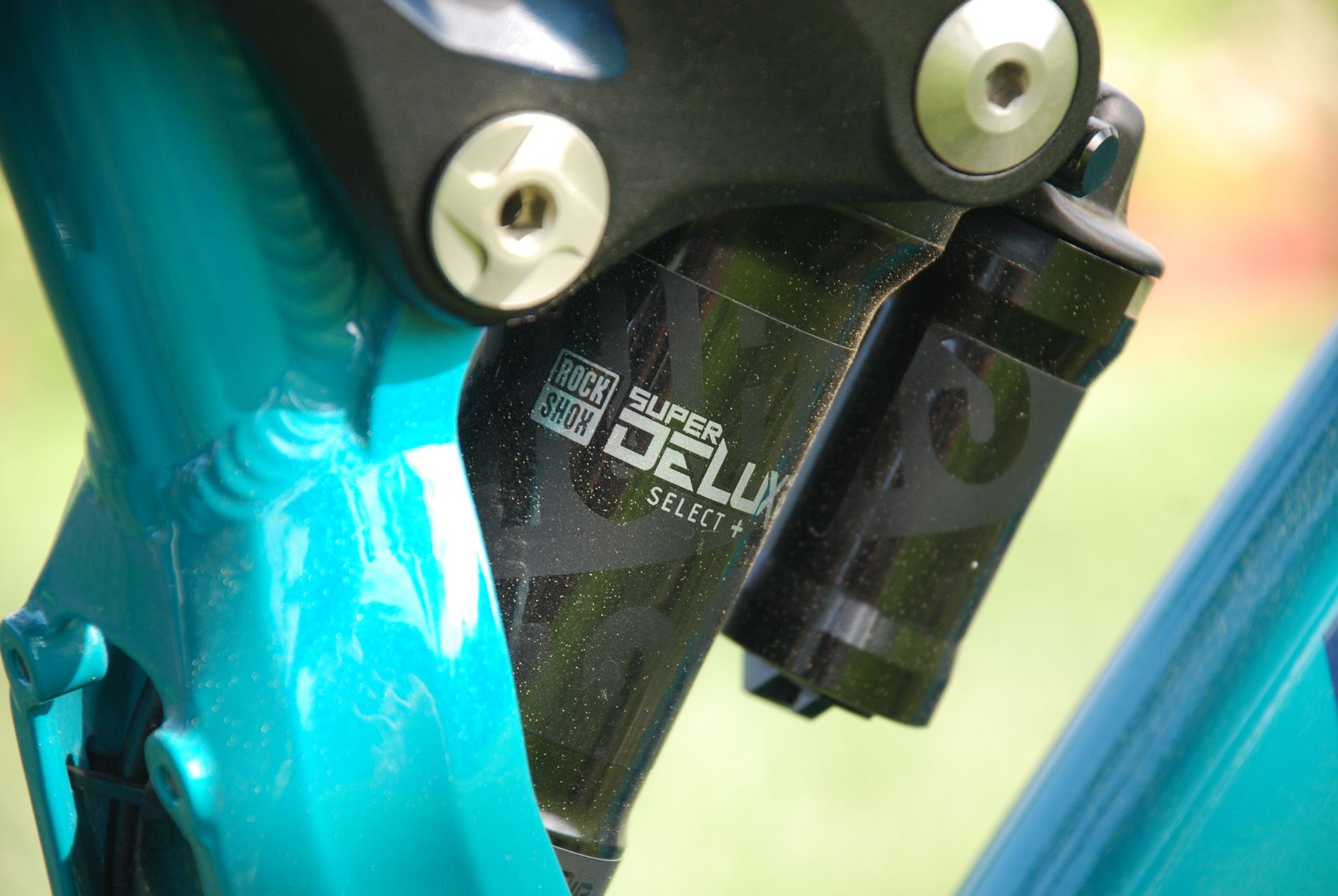
A gas spring damper is a hydraulic mechanism integrated into the cylinder that regulates the extension and compression speed of the piston rod to prevent rapid or uncontrolled movement. By forcing hydraulic oil through precise internal orifices, these dampers provide a controlled deceleration effect that protects mounting hardware and structural carcasses from high-impact fatigue.
⚡ In a Rush? Key Takeaways
- Damping prevents mechanical impact by slowing piston travel by 70-90% at the end of the stroke.
- Hydraulic oil viscosity changes impact damping consistency across a range of -30°C to +80°C.
- Proper damping selection can extend the operational life of end fittings by over 50,000 cycles.
- Always specify damped units for overhead cabinet lids and heavy-duty industrial access covers.
How Do Gas Spring Dampers Function Internally?
Dampers function by forcing hydraulic oil through restricted internal ports during the last 20mm of travel to dissipate kinetic energy.
What role does hydraulic oil play in motion control?
Hydraulic oil acts as the medium for energy absorption, providing the necessary resistance to slow the piston rod before it hits a stop.
During the final stage of extension or compression, the piston passes over a specific bypass channel or restricted orifice. This forces the oil through a smaller opening, creating backpressure that effectively brakes the motion. Without this fluid-based resistance, the rod would hit the end of the cylinder with full force, causing internal damage.
Why is orifice sizing critical for damping performance?
Orifice diameter determines the speed of fluid transfer, directly controlling the rate of deceleration at the end of the stroke travel.
Engineers calculate the precise orifice size based on the moving mass and the required deceleration speed. If the orifice is too large, damping is insufficient and the mechanism will slam. If it is too small, the unit will stall or move too sluggishly, failing to reach the full open position.
How Should I Select the Right Damping Level?
Damping selection must match the specific mass and velocity of your application to ensure a smooth, impact-free stop during operation.
Does moving mass affect the required damping force?
Heavier lids require significantly higher damping resistance to absorb the increased kinetic energy generated during the closing movement.
If you are unsure of your requirements, our Gas Spring Force Calculator provides the baseline force, but damping must be tuned to that mass. A light cabinet door requires minimal damping, whereas a 20kg industrial hatch requires a dedicated damped unit to prevent structural failure.
When is dynamic damping vs. static damping required?
Dynamic damping offers variable resistance based on speed, whereas static damping provides a constant level of friction regardless of velocity.
- Dynamic: Best for variable-speed applications or heavy machinery covers.
- Static: Suitable for simple, low-velocity lid applications in furniture.
- Hybrid: Advanced units designed for high-precision laboratory or medical equipment.
What Are the Common Signs of Damper Failure?
Failure is typically marked by a loss of controlled deceleration, resulting in audible slamming or physical impacts at stroke end.
Why do damped gas springs start slamming?
Internal seal wear or oil leakage results in the loss of hydraulic pressure, causing the damper to cease regulating rod speed effectively.
If you notice your kitchen overhead cabinet gas struts are banging shut, it indicates the hydraulic oil has either bypassed the seal or leaked entirely. In these cases, the damper is no longer functional and the unit requires a full replacement to protect your hinges.
How do temperature fluctuations affect damping consistency?
Extreme cold increases oil viscosity, causing the damper to act as if it is over-damped, while excessive heat reduces oil resistance.
| Temperature | Performance Effect |
|---|---|
| Below 0°C | Slow, sluggish motion |
| 20°C (Standard) | Optimal damping |
| Above 60°C | Reduced damping/slamming |
Frequently Asked Questions About Dampers
-
Can I retroactively add a damper to a standard strut?
Standard non-damped gas springs cannot be modified, as the damping requires specific internal cylinder machining and fluid volume.
-
Does orientation affect damper performance?
Yes, most dampers must be installed rod-down to ensure the oil remains in contact with the internal seal and bypass ports at all times.
-
Are stainless steel dampers different from standard ones?
Internal functionality remains identical, but stainless housings provide corrosion resistance for marine or medical marine gas struts.
-
Installation and Mounting Best Practices
Proper mounting ensures the damper operates within its design limits and prevents premature wear.
Find answers to common technical queries regarding gas spring motion control, installation orientation, and industrial maintenance tips.
When installing a damped gas spring, align the rod axis with the direction of travel and avoid any angular misalignment that could induce side loads on the piston seal. Use the manufacturer‑recommended mounting brackets and torque the fasteners to the specified value (typically 5–8 Nm for M6 studs) to avoid over‑compressing the cylinder tube.
Additionally, provide a slight pre‑load (about 1–2 mm) of compression at full extension so that the damper engages its bypass orifice early in the stroke, delivering smooth deceleration from the start of the travel rather than only at the very end.
For specialized or industrial requirements, consult our team to ensure your damper specification meets the cycle duty of your application. Proper selection today avoids costly maintenance or hardware damage tomorrow.