Industrial Hardware: A Specification Guide for 2026
Industrial hardware encompasses the critical mechanical components—including fasteners, hinges, latches, and gas springs—that help the structural integrity and operational movement of heavy-duty machinery. Selecting these components requires precise matching of material grades, load ratings, and surface treatments to the specific operational environment of your equipment.
⚡ In a Rush? Key Takeaways
- Standardize on 316-grade stainless for environments with over 5% salt exposure risk.
- Over-specifying load capacity by 20% extends hardware service life by up to 40%.
- Avoid mixed-metal contact to prevent galvanic corrosion in all industrial assemblies.
- Always verify cycle-life ratings for motion hardware, targeting 50,000+ operations minimum.
How Do I Choose Between Different Hardware Materials?
Select hardware materials based on tensile strength and corrosion resistance requirements, prioritizing 316 stainless for harsh environments.
Why Does Material Grade Matter for Corrosion?
Material grades determine susceptibility to oxidation, pitting, and stress corrosion cracking in high-humidity or chemical-heavy sites.
In industrial settings, environmental factors often dictate material choice more than raw strength. A zinc-plated fastener might suffice for indoor climate-controlled storage, but it will fail rapidly in chemical processing facilities or coastal equipment housing.
I frequently see engineers default to 304 stainless steel, which is excellent for general use but inadequate for marine or acidic environments. For those applications, 316-grade stainless steel is the professional standard due to its molybdenum content, which provides superior resistance to pitting.
Which Strength Grades Are Required for Load-Bearing Hardware?
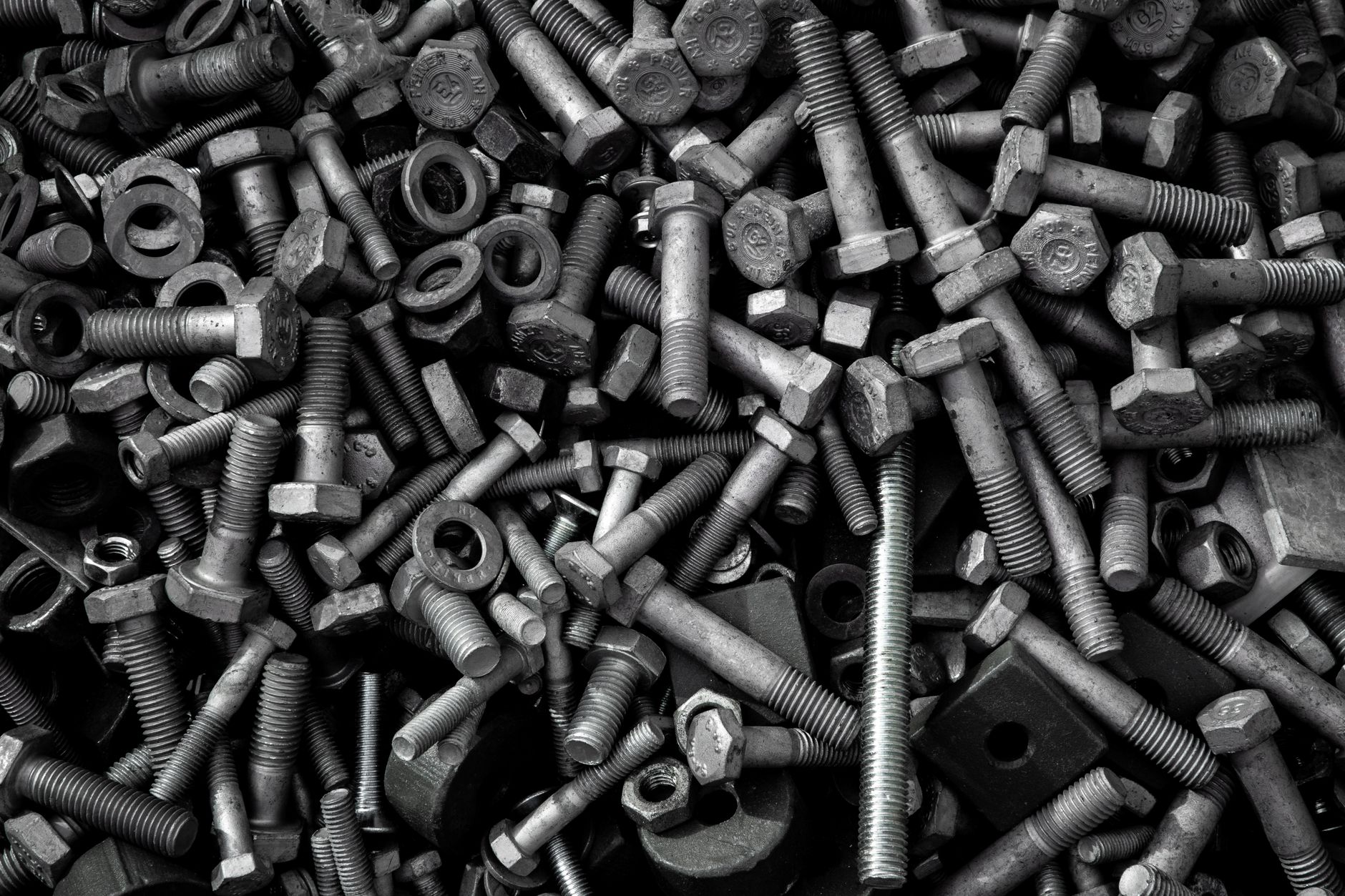
Load-bearing hardware must meet specific yield strength thresholds, commonly specified as Class 8.8, 10.9, or 12.9 for steel fasteners.
Yield strength defines the point at which a component undergoes permanent deformation. For machinery guards and heavy access panels, using hardware below Class 8.8 is a safety liability.
- Class 8.8: Suitable for general structural assemblies and light-duty machine guards.
- Class 10.9: Mandatory for primary structural joints subjected to constant vibration.
- Class 12.9: Used for high-tensile applications where volume and space are limited.
How Do I Properly Size Hardware for Industrial Motion?
Size motion hardware by calculating peak load, duty cycle, and the environmental impact on friction and damping performance coefficients.
How Is Cycle Life Evaluated in 2026?
Cycle life ratings track the number of full-extension operations a component sustains before losing 15 percent of its initial force.
Cycle testing is the most under-examined spec sheet metric. Standard commercial hardware is often rated for 10,000 cycles, which is insufficient for automated packaging or high-frequency inspection hatches.
For industrial applications, I recommend specifying hardware with a tested cycle life of at least 50,000 operations. If your application involves automated industrial machinery, move toward 100,000-cycle certified components.
Why Does Mounting Geometry Impact Hardware Longevity?
Mounting geometry determines the distribution of shear and tension loads across hardware interfaces, affecting potential failure points.
Even the highest quality gas strut or hinge will fail prematurely if the mounting angle creates side-loading stress on the seals or pins. You must ensure the hardware operates within its intended arc of travel.
If you are struggling with alignment, use our gas spring force calculator to verify your mounting points before finalizing the installation. Proper geometry reduces the lateral load on the strut, preventing seal blowouts.
What Are the Most Common Hardware Failure Modes?
Common hardware failures include fatigue cracking, galvanic corrosion, and seal wear, all linked to incorrect specification or sizing.
How Do I Prevent Galvanic Corrosion in Assemblies?
Prevent galvanic corrosion by using insulating washers or ensuring all hardware components share similar electrochemical potential.
Galvanic corrosion occurs when two dissimilar metals touch in the presence of an electrolyte. An aluminium panel secured with stainless steel bolts will eventually degrade the surrounding aluminium.
The solution is to specify appropriate surface coatings or use polymer isolation washers. For sensitive equipment, sticking to a single metal family throughout the assembly is the safest engineering path.
How Do I Diagnose Hardware Fatigue?
Hardware fatigue presents as micro-fractures near stress concentration points and is identified via routine visual inspections.
Fatigue is a cumulative process. Hardware under constant vibration, such as on tractor hoods or heavy-duty conveyors, needs scheduled replacement intervals even if it currently functions perfectly.
If you are managing agricultural equipment, consider browsing our industrial and agricultural hardware resources for specific brand-match guidance on vibration-resistant fasteners.
FAQ: Industrial Hardware Selection
Can I interchange industrial hardware brands?
Interchangeability is only possible if load ratings, dimensions, and thread pitches match precisely to avoid mechanical failure.
How do temperature extremes affect hardware performance?
Nitrogen-charged hardware loses approximately 1.5% of force per degree Celsius drop, requiring low-temperature rated seals for sub-zero use.
Is 316 stainless steel always necessary?
316 stainless steel is only required for high-corrosion environments; 304 or zinc-plated carbon steel is sufficient for standard dry use.
What is the benefit of a lockable gas spring?
Lockable gas springs hold position at any point in travel, providing critical safety for heavy access panels during maintenance tasks.