Locking Gas Springs: Selecting the Right Mechanism for 2026
What Are Locking Gas Springs and How Do They Function?
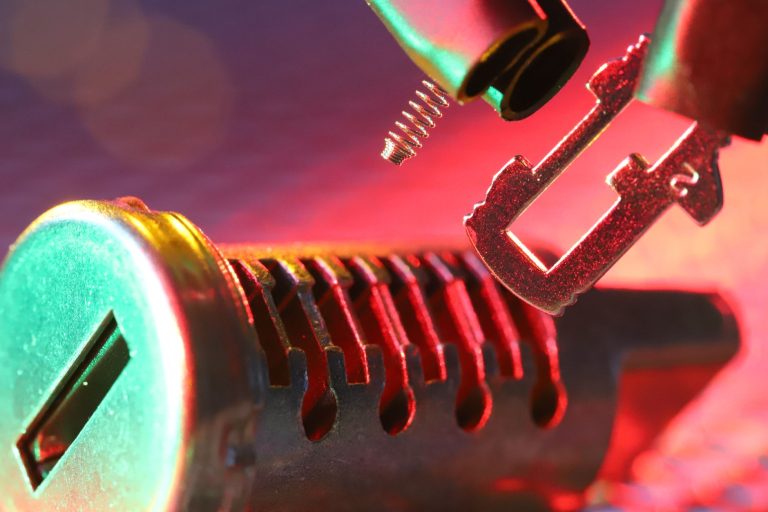
Locking gas springs incorporate an internal valve system that restricts oil flow, allowing the rod to lock securely at any point in the stroke.
Unlike standard gas struts that provide constant extension force, locking gas springs allow an operator to stop and fix the position of a load. This is achieved through a release pin at the rod end which, when activated, opens an internal valve to allow fluid passage. When the pin is released, the valve closes, locking the piston position relative to the cylinder.
What is the difference between rigid and elastic locking?
Rigid locking prevents any movement in either direction, while elastic locking allows for slight compression due to the gas volume.
Rigid locking gas springs incorporate a floating piston that separates the oil from the gas chamber. This eliminates the compressibility of the nitrogen, creating a firm hold. In contrast, elastic locking springs allow for minor movement because the internal gas remains compressible, which can be advantageous in shock-absorbing applications.
- Rigid locking: ideal for medical beds, height-adjustable tables, and precision equipment.
- Elastic locking: suitable for applications requiring dampening, such as ergonomic office chairs.
- Load capacity: rigid locks provide superior hold in high-cycle industrial machinery.
Where are locking gas springs most commonly specified?
These springs are widely used in industrial machine guards, medical examination tables, and mobile workstation height adjustment.
In my 18 years of sourcing components, I have seen these specified most frequently where operator safety is paramount. When a maintenance technician needs to secure an equipment access hatch, a simple stay is often insufficient. A locking gas spring provides a failsafe mechanism that prevents accidental closure even if the operator is not actively holding the panel.
How Do I Select the Correct Locking Force?
Select locking force by calculating the total static load plus a 20 percent safety margin to ensure reliable performance across the range.
Specifications for locking springs differ from standard units because you must account for the load capacity of the locking valve. Overloading the locking mechanism can lead to valve bypass or premature seal failure. Always verify the maximum static locking force in Newtons provided on the manufacturer datasheet.
What impact does mounting orientation have on locking stability?
Mounting with the rod end pointing downward ensures the oil contacts the valve, which prevents the lock from feeling spongy or unreliable.
Proper orientation is crucial for the internal valve to function correctly. If the valve is not submerged in oil, air can enter the locking chamber, leading to a loss of the locking function or ‘creeping’ under load. Always confirm if your selected unit is position-independent or requires a specific installation angle.
Why must I consider the release pin stroke in my design?
The release pin requires a precise stroke distance, usually between 0.5mm and 2.5mm, to fully open the valve and enable smooth movement.
Engineers often neglect the linkage design required to actuate the release pin. If your lever design does not provide sufficient travel to fully depress the pin, the valve will not open completely. This restricts fluid flow, resulting in stiff, jerky operation that damages the internal seals over time.
Common Troubleshooting and Maintenance Questions
The most frequent issues involve inadequate release pin activation or mounting the spring in an orientation that leads to oil drainage.
Why does my locking gas spring slowly drift downward?
Drifting indicates either a leaking internal valve or insufficient release pin travel, causing the valve to remain partially cracked open.
Before assuming the spring is faulty, verify that no external pressure is being applied to the release pin by the actuator linkage. If the linkage is adjusted correctly, the internal seal may have been compromised by dust or debris. Regular cleaning of the piston rod is essential in dirty environments to protect the primary seal.
Can I adjust the locking force after installation?
Locking gas spring force is factory-set and cannot be adjusted; attempt to modify the nitrogen charge will void your warranty.
If your application requirements change, you must specify a new unit with the correct force rating. For bespoke requirements, refer to our gas spring force calculator to determine your exact needs before placing an order. Proper initial specification prevents the need for costly replacements in high-value industrial assemblies.
How do I know if my locking spring is reaching the end of its life?
Indications include a noticeable reduction in the hold-in-place firmness or difficulty in actuating the valve via the release pin.
In industrial settings, I recommend a cycle-based maintenance schedule rather than waiting for failure. If your equipment operates on a high-cycle basis, consider the industrial grade springs designed for 100,000+ cycles. Always check for external rod corrosion, as this is the primary contributor to premature seal failure in UK and European climates.
If you are struggling to identify the correct replacement, use our compatibility checker to cross-reference your current hardware. For bulk procurement or bespoke industrial applications, please reach out to our team for custom specification support.