Mechanical Components: A Technical Selection Guide for 2026
Mechanical components encompass the essential load-bearing and motion-controlling hardware required to translate energy into physical work within industrial and automotive assemblies. Selecting these parts requires balancing material properties, cyclical stress thresholds, and environmental tolerances to prevent premature system failure.
⚡ In a Rush? Key Takeaways
- Standard industrial gas springs are rated for 50,000 to 100,000 cycles under load.
- Stainless steel grade 316 provides 40% higher corrosion resistance than 304 in marine settings.
- Over-specification increases assembly weight by 15% without providing measurable longevity gains.
- Always verify mechanical component fatigue limits against a 1.5x safety factor minimum.
How Do I Select The Right Mechanical Component For My Application?
Selection requires identifying load requirements, cycle frequency, environmental exposure, and material compatibility to ensure functional longevity.
What Material Specifications Are Essential For Reliability?
Material choice dictates fatigue resistance; 316 stainless steel is required for high corrosion, while zinc-plated steel suffices for indoor use.
Mechanical assemblies failing in the field are frequently victims of improper material selection. If a component operates in a coastal environment, carbon steel will oxidize, leading to seized pivots and failed structural supports.
I always specify grade 316 stainless for outdoor installations to avoid the maintenance costs associated with oxidation. For internal mechanisms, standard cold-rolled steel treated with zinc plating offers an optimal cost-to-durability ratio.
How Do I Calculate Load Requirements For Motion Hardware?
Accurate load calculations involve multiplying static weight by the leverage ratio and applying a safety factor of at least 1.5 for dynamics.
Many design errors stem from using the static mass of a lid or panel without accounting for the center of gravity. When you integrate gas springs or hinges, the distance from the pivot point acts as a force multiplier.
Engineers should use a torque-based calculation rather than a simple weight-based one. Ensure your measurement methodology accounts for the angle of travel, as this changes the leverage ratio through the full stroke.
Which Mechanical Components Are Most Critical For System Longevity?
Bearings, pivots, fasteners, and gas-charged struts are critical nodes where wear, vibration, and fatigue most often manifest in machinery.
Why Are Gas-Charged Struts Prone To Early Failure?
Failure typically results from seal degradation due to UV exposure, thermal cycling, or operating the component outside its intended angle.
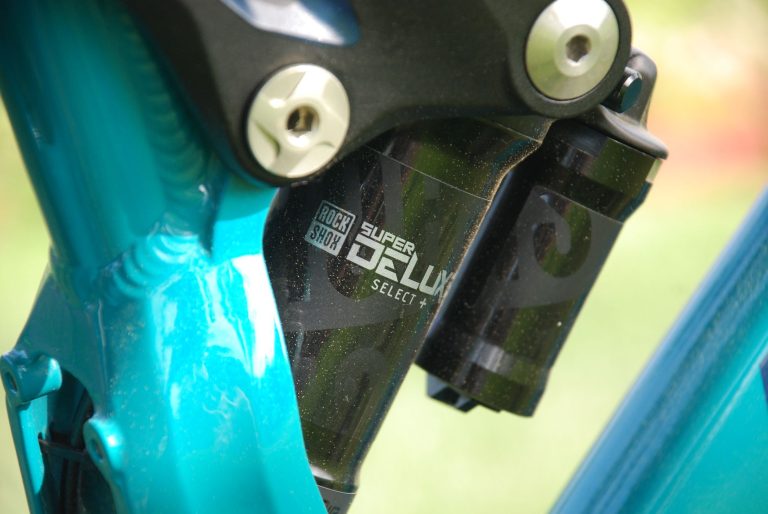
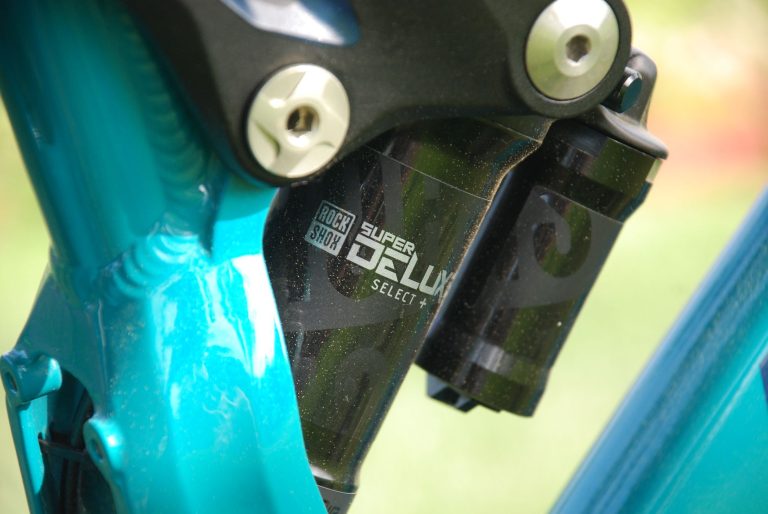
Gas struts function as the primary energy-damping and holding component in many enclosures. Their failure usually originates in the seal assembly rather than the pressure vessel itself.
- Cycle counts exceeding 50,000 stress internal seals.
- Temperature drops below freezing reduce nitrogen charge force.
- Incorrect mounting orientation leads to oil leakage and seal dry-out.
How Can Fastener Failure Lead To Mechanical Breakdown?
Fastener failures are caused by vibration-induced loosening or galvanic corrosion which can compromise the structural integrity of an assembly.
In high-vibration applications, standard threaded fasteners will eventually back out unless a locking mechanism is used. I strongly advocate for the use of thread-locking compounds or nylon-insert lock nuts in all automotive or machinery applications.
Furthermore, ensure the fasteners match the material of the joined components. Mixing materials can trigger galvanic corrosion, effectively creating a weak point that fails under tension.
How Should Mechanical Components Be Maintained To Maximize Service Life?
Routine lubrication, visual inspection, and torque verification are the core practices that keep bearings, pivots, and gas struts operating within design limits.
Even high‑grade stainless steel or zinc‑plated components suffer when dust, moisture, or old grease accumulates in moving interfaces. A maintenance interval of every 500 operating hours (or quarterly for harsh environments) should include cleaning the exterior, reapplying the manufacturer‑specified lubricant to bearing races and pivot pins, and checking that all critical fasteners remain at the prescribed torque.
In addition to lubrication, monitoring for abnormal vibration or seal wear provides early warning of impending failure. Portable vibration analyzers can detect bearing defect frequencies before audible noise appears, while a simple leak‑check on gas strut seals catches oil loss that would otherwise reduce damping force. Acting on these indicators prevents catastrophic breakdowns and extends the service life of the assembly by up to half.
What Are The Common Pitfalls In Sourcing Mechanical Components?
Pitfalls include relying on unverified force ratings, assuming universal compatibility, and neglecting to source from traceable suppliers.
Why Should Procurement Managers Verify Technical Data Sheets?
Technical data sheets provide the only verified source for force curves, tolerances, and cycle ratings crucial to long-term assembly safety.
Generic components often lack the rigorous testing found in OEM-approved parts. Relying on an unverified force rating can lead to equipment that cannot support its own weight or fails under operation.
| Parameter | Standard Stock | Industrial Grade |
|---|---|---|
| Cycle Life | 20,000 | 100,000+ |
| Tolerance | ±10% | ±2% |
| Material | Carbon Steel | Stainless 316 |
How Can I Identify High-Quality Mechanical Suppliers?
Quality is identified by the availability of precise engineering drawings, documented quality certifications, and responsive technical support.
When sourcing specific components like end fittings or custom-force struts, transparency is key. A supplier unable to provide a CAD model or a clear material spec is rarely the right choice for critical infrastructure.
Frequently Asked Questions About Mechanical Components
-
Can I interchange parts from different manufacturers?
Interchangeability is only safe if dimensions, thread pitch, and material specs are verified identical between the two specific parts.
-
How do I identify the force rating on a used gas strut?
Force ratings are typically printed on the cylinder body in Newtons (N), though fading or damage may necessitate professional testing.
-
Is it necessary to replace mechanical fasteners every time they are removed?
Torque-to-yield fasteners must be replaced every time, while standard grade 8 bolts can often be reused if inspection shows no fatigue.