What Are Dampers and How Do They Work in Industrial Systems?
Dampers are mechanical components designed to regulate, direct, or shut off the flow of air, smoke, or gases within ductwork, ventilation systems, and industrial process piping. By adjusting the blade position, these devices provide control over pressure, temperature, and fire safety within critical infrastructure.
⚡ In a Rush? Key Takeaways
- Fire dampers must be tested to BS EN 1366-2 for rigorous containment performance.
- Mechanical dampers regulate airflow by 0% to 100% via adjustable internal blades.
- Industrial dampers manage pressure differentials up to 5000 Pa in specialized piping.
- Routine maintenance every 6 months is required to prevent damper blade seizure.
- Proper damper selection remains the most effective way to optimize HVAC efficiency.
What Are the Two Primary Types of Dampers?
Dampers are categorized primarily as control dampers for regulating airflow volume or fire/smoke dampers for emergency protection.
How Do HVAC Control Dampers Regulate Airflow?
Control dampers use parallel or opposed blades to modulate air volume, providing precise pressure and flow management in ducting.
HVAC control dampers are the workhorses of ventilation. They use a series of metal blades that rotate on a central spindle to open or close the air path. When I specify these for industrial facilities, I look for low-leakage seals that ensure energy efficiency during partial-load operations.
- Parallel blade action: Used for two-position (on/off) applications.
- Opposed blade action: Provides superior linear modulation for air balancing.
- Sealed edges: Essential for reducing energy losses in high-pressure systems.
How Do Fire and Smoke Dampers Protect Buildings?
Fire and smoke dampers use thermal links or electric actuators to seal off ductwork automatically during a detected building fire.
Fire dampers are non-negotiable safety devices installed where ducts penetrate fire-rated walls. In the UK, these must meet strict compliance standards to maintain compartmentation. They essentially act as a bulkhead, preventing the passage of flame and hot gases through the ventilation network.
| Feature | Fire Damper | Smoke Damper |
|---|---|---|
| Activation | Thermal/Fusible link | Electric actuator/Smoke signal |
| Primary Role | Contain fire spread | Limit smoke migration |
| Maintenance | Annual inspection | Biannual functional test |
What Is the British Standard for Smoke Dampers?
Smoke dampers in the UK must conform to BS EN 1366-2, which defines strict fire resistance testing and endurance performance criteria.
Why Is BS EN 1366-2 Critical for Compliance?
BS EN 1366-2 is the mandatory testing standard that verifies a damper can maintain structural integrity under extreme thermal heat.
Compliance is not optional for project sign-off. As an engineer, I ensure that every compatibility check includes a review of the damper’s fire-rating certification. These standards ensure the device remains functional even after exposure to intense structural stress.
What Documentation Is Required for Installation?
Installers must provide a certificate of conformity and test reports matching the specific damper model to the duct wall thickness.
You cannot simply install a damper without the accompanying data sheet. The documentation confirms that the actuator, blade material, and frame assembly meet current UK building regulations. Improperly documented units will lead to immediate failure during the fire safety audit.
What Is the Purpose of a Suspension Damper?
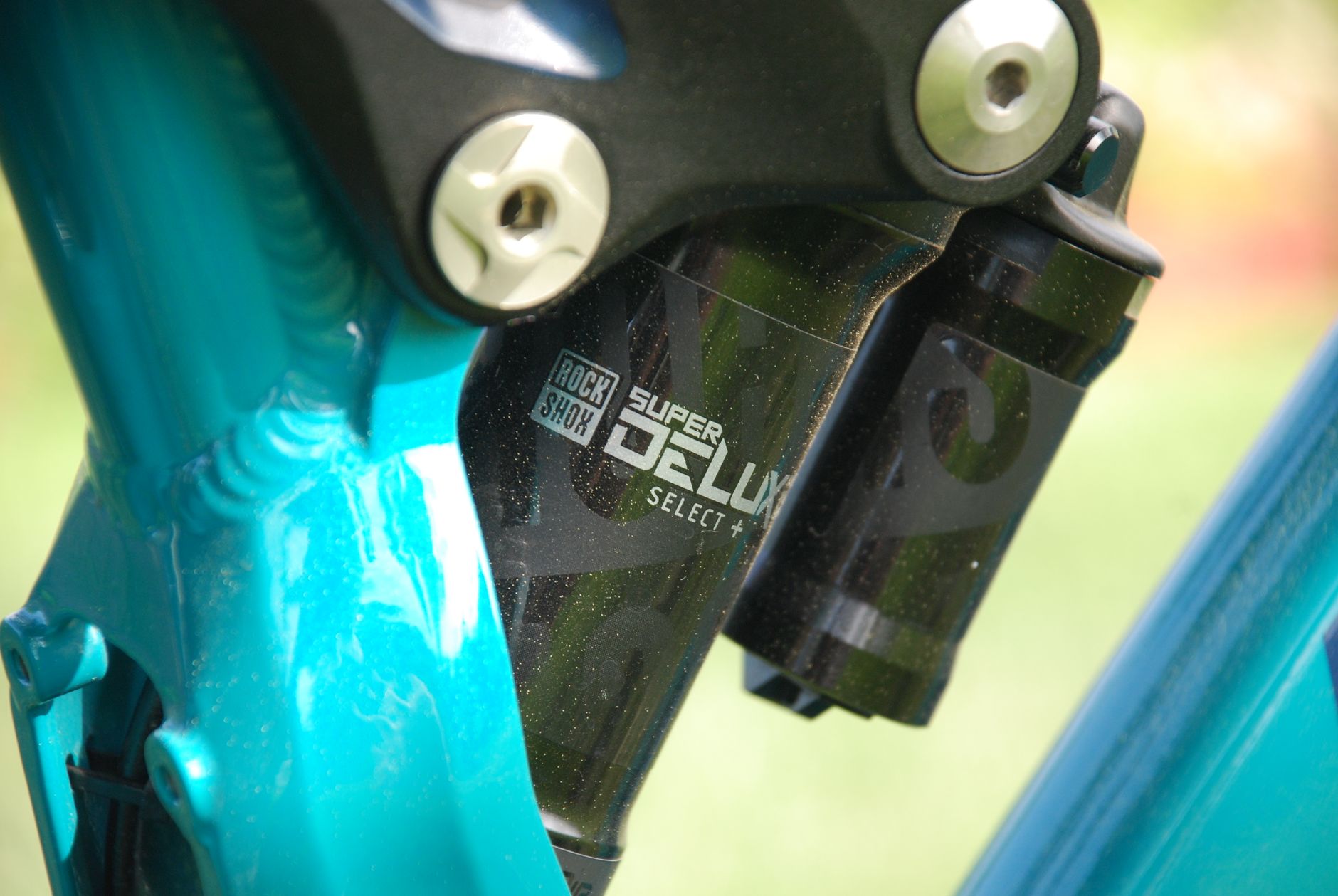
A suspension damper dissipates kinetic energy through hydraulic or pneumatic resistance to stabilize motion and reduce vibrations.
How Does Energy Dissipation Work in Dampers?
Energy is converted into thermal heat through fluid friction as the damper piston moves through an oil-filled cylinder chamber.
While often confused with airflow dampers, suspension dampers serve a completely different mechanical purpose. They are essential for dampening oscillations in heavy equipment and vehicles, much like how we specify force-rated gas springs to control the speed of a closing lid.
Where Are Suspension Dampers Used Industrially?
These devices are commonly found on industrial machinery, engine mounts, and automated processing lines to absorb shock loading.
- Vibration isolation on centrifugal fans.
- Shock loading protection for automated gate systems.
- Movement damping on heavy-duty engine housings.
What Are Pressure Relief and Backdraft Dampers?
Pressure relief and backdraft dampers protect systems from over‑pressure and prevent reverse airflow when fans shut down.
Pressure relief dampers (also called explosion relief vents) open at a preset pressure to vent excess gas, safeguarding ducts and equipment in processes such as dust collection or combustion.
Backdraft (gravity) dampers use a weighted blade that closes under gravity to stop air from flowing backward when the fan stops, maintaining zone isolation and preventing contaminants from re‑entering the supply stream.
Frequently Asked Questions About Dampers
-
How often should industrial dampers be maintained?
Industrial dampers require inspection and lubrication every 6 months to ensure that internal blades operate without jamming.
-
Can I use a manual damper for automatic control?
Manual dampers are designed for static air balancing and lack the actuators needed for dynamic or automated flow adjustments.
-
What is a guillotine damper?
A guillotine damper is a heavy-duty sliding blade valve used for isolation in large-scale industrial exhaust or flue gas ducts.
For further guidance on specifying components for industrial enclosures, please contact our industrial team to discuss your specific load and environment requirements.