How to Specify a Hydraulic Lift Table: A 2026 Engineering Guide
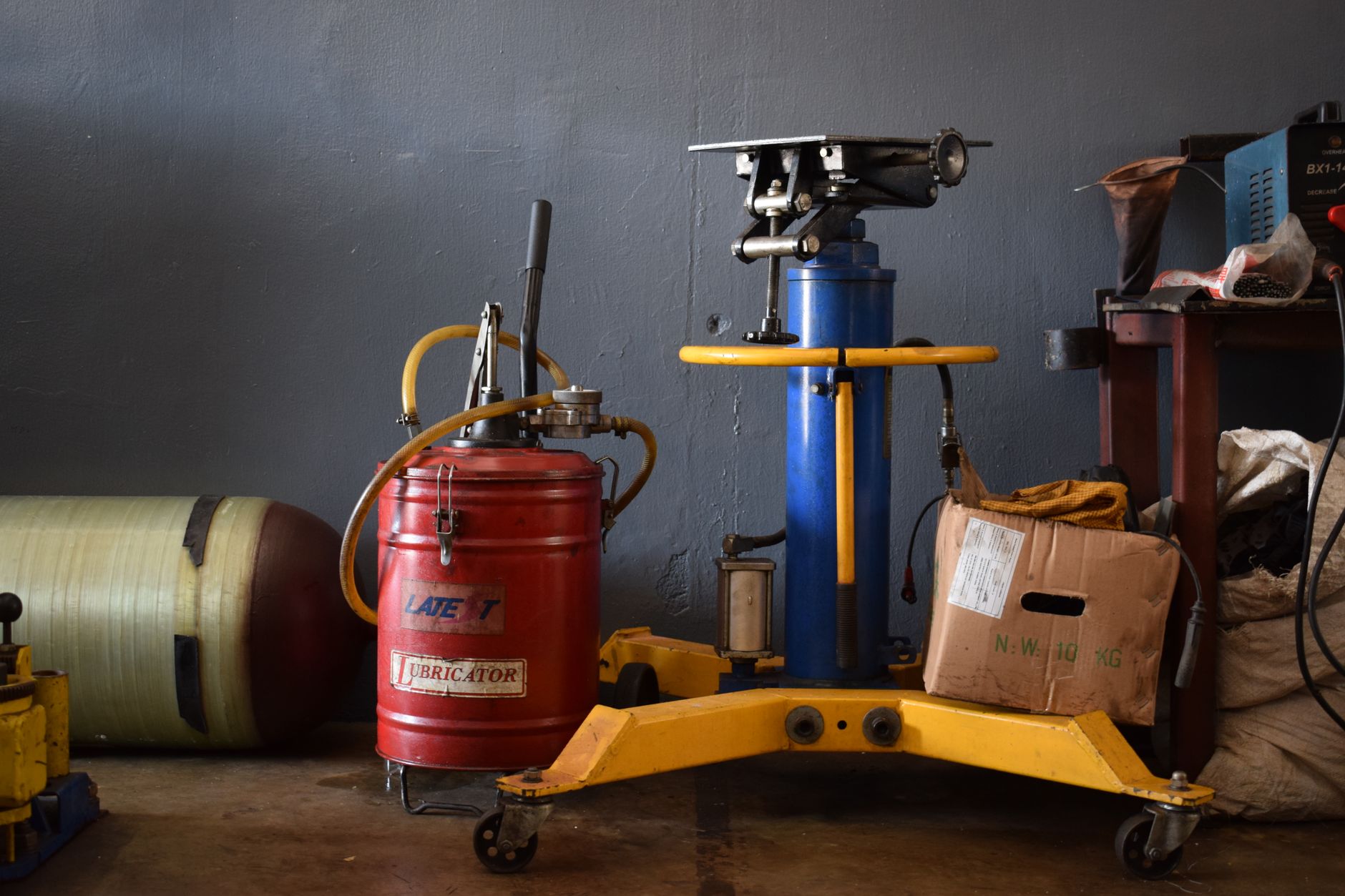
A hydraulic lift table is a mechanical material handling platform that uses a scissor-arm assembly driven by hydraulic actuators to raise or lower heavy loads to specific working heights. These units are critical for maintaining ergonomic standards in industrial settings, reducing operator strain by positioning workpieces at optimal levels during assembly or processing tasks.
⚡ In a Rush? Key Takeaways
- Hydraulic tables must be rated for at least 125% of the intended maximum static load.
- Standard scissor lift cycles vary from 50,000 to 100,000 operations before seal overhaul.
- Damping and descent speeds should be factory-calibrated to match load inertia profiles.
- ✅ Always specify based on duty cycle and peak load rather than average weight.
How Do I Calculate the Required Capacity for a Hydraulic Lift Table?
Capacity is determined by total load mass, platform size, and load distribution; always add a 25% safety buffer for dynamic lifting force.
What is the difference between static and dynamic load?
Static load is the weight resting on the platform when stationary, while dynamic load accounts for the forces during lifting movement.
Static load is the weight of the platform contents when the unit is at a complete stop. Dynamic load is the actual stress applied to the cylinders during the vertical acceleration phase of the lift cycle.
Industrial design standards mandate that you account for potential load shifting. If a load is not centered, it creates a moment arm that stresses the scissor pins beyond their uniform rating.
- Calculate static load by totaling item and pallet weight.
- Dynamic force usually requires 20% more power than static holding.
- Center of gravity must be maintained within the middle 50% of the platform.
How does load distribution affect table longevity?
Uneven load distribution accelerates pivot pin wear and cylinder seal failure by placing excessive stress on one side of the scissor arm.
When weight is concentrated at one edge of a hydraulic lift table, the structural integrity of the base frame is compromised. This off-center pressure causes side-loading, which is the primary cause of hydraulic cylinder bypass leaks.
In high-cycle applications, even minor imbalances lead to uneven wear on the bushing inserts. Use the following table to assess distribution risk:
| Distribution | Risk Factor |
|---|---|
| Evenly Distributed | Low (1.0) |
| Centered 50% Load | Medium (1.5) |
| Edge-Loaded | High (3.0+) |
Which Hydraulic Power Systems Are Most Reliable?
Reliable power systems use AC or DC power units with integrated pressure relief valves and controlled descent flow regulators for safety.
Why specify a remote power pack for heavy duty?
Remote power packs move the motor and pump away from debris and moisture, protecting electrical components from harsh work environments.
On most standard factory floors, the hydraulic pump is located directly under the lift platform. This exposes the unit to dust, cutting fluids, and physical impacts.
Specifying a remote unit simplifies maintenance significantly. Technicians can access the pump without clearing the lift platform or locking out the entire assembly.
How do flow control valves improve operator safety?
Flow control valves restrict hydraulic fluid return speed, ensuring the platform lowers at a safe, controlled rate regardless of load size.
In the event of a hydraulic line rupture, the load must not descend instantly. Integrated velocity fuses are essential safety hardware for any industrial lift table.
These valves operate independently of the main control system. They are purely mechanical, meaning they engage even during a total power failure.
What Are the Common Maintenance Requirements for Lift Tables?
Regular maintenance includes lubricating pivot points, checking hydraulic fluid levels, and inspecting hoses for signs of fatigue.
Why should pivot pins be inspected every 500 cycles?
Pivot pins are the highest wear points on a scissor lift, requiring regular grease application to prevent galling and structural failure.
The movement of the scissor arms relies on high-pressure contact at the pins. If the lubricant breaks down, friction heat will eventually seize the arm assembly.
Maintenance schedules for heavy-duty industrial maintenance should include a visual inspection for metal shavings or discolored grease, which indicate bushing failure.
How do I identify a hydraulic cylinder leak?
Cylinder leaks appear as fluid accumulation near the rod seal or a table that slowly loses height while supporting a static load.
Slow “drift” while under load is a hallmark of internal seal failure. If the table lowers on its own over several minutes, the internal piston seals are no longer maintaining pressure.
For more complex material handling issues, you can refer to our force calculator to understand how your load requirements might have shifted as the equipment aged.
FAQ: Hydraulic Lift Table Specifications
-
Can I use a lift table for personnel transport?
Most industrial hydraulic tables are not certified for personnel; only use specifically rated “man-lift” units for human movement.
-
How do I match the stroke to my application?
The required stroke is the vertical distance between the minimum collapsed height and the maximum desired working height for the operator.
-
Why does my table make noise during lifting?
Noise usually indicates air trapped in the hydraulic circuit or a pump struggling against a load exceeding the relief valve setting.