Mechanical Components: A Technical Selection Guide for Industrial Systems 2026
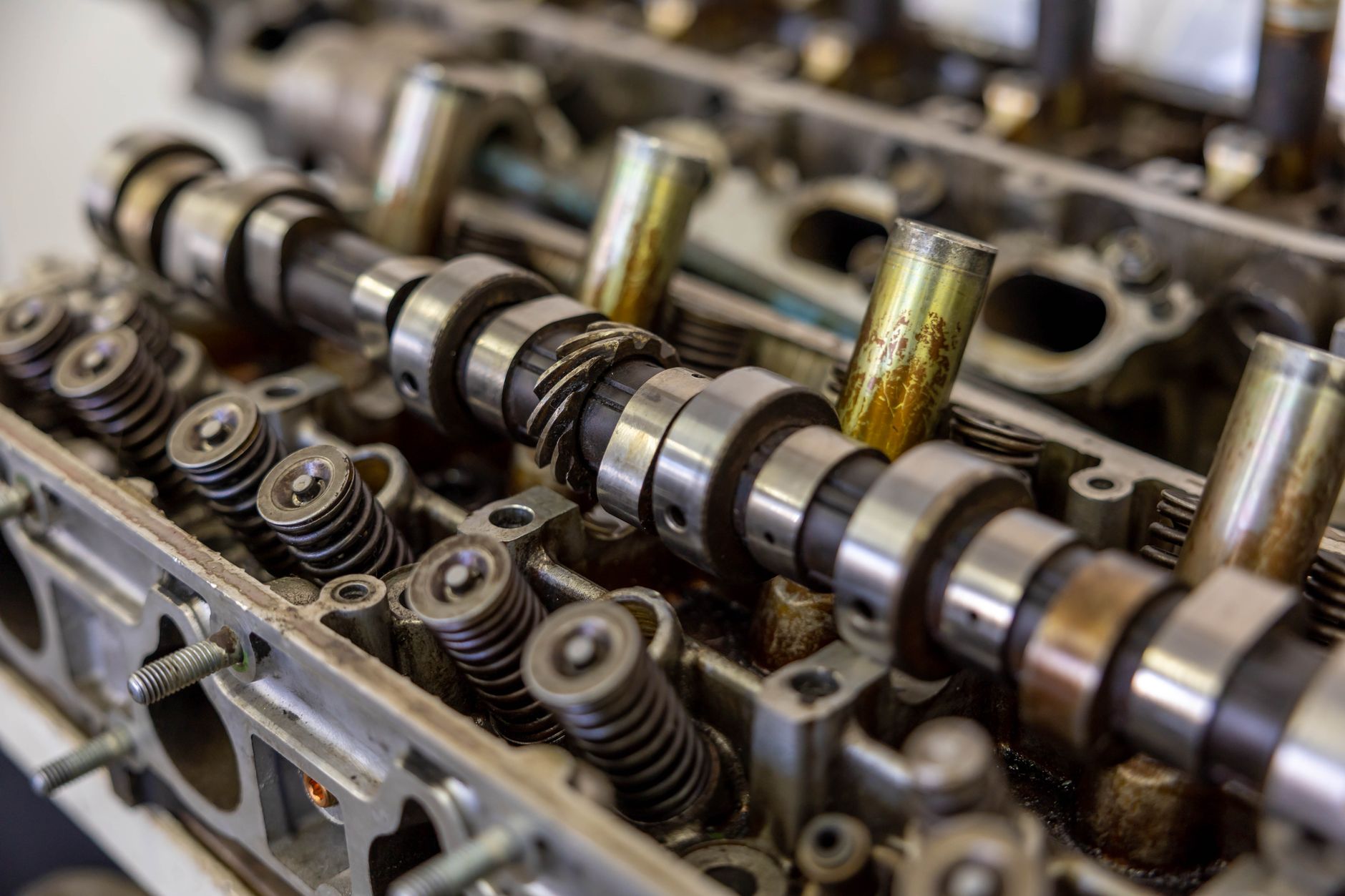
Mechanical components are the essential physical elements that help motion, structural integrity, and load transmission within any industrial machine assembly. These parts range from power transmission elements and fasteners to motion-control devices like precision gas springs and rolling-element bearings.
⚡ In a Rush? Key Takeaways
- Standardize on ISO-compliant hardware to reduce inventory SKU counts by 15-20% annually.
- Always specify gas springs with 50,000+ cycle ratings for high-frequency industrial use cases.
- Incorporate a 25% safety margin on load-bearing components to account for fatigue and temperature.
- Verify material compatibility in corrosive environments to extend component life by over 300%.
How Do I Select the Correct Mechanical Components for My Assembly?
Selection requires evaluating load requirements, environmental stress, cycle frequency, and material fatigue limits against standard industry ISO specs.
What Tolerance Grades and Fits Are Recommended for Mechanical Components?
Choosing the correct ISO tolerance grade and fit type ensures proper assembly, function, and longevity of mechanical components.
Tolerance grades define the permissible size variation for shafts and holes, expressed as combinations like H7/g6 or H8/f7. Selecting a grade that matches the functional requirements—such as a sliding fit for reciprocating parts or a press fit for bearing housings—prevents excessive play or unwanted binding.
Fit types fall into three categories: clearance (allowing relative movement), interference (requiring force for assembly, creating a tight joint), and transition (which may result in either clearance or interference depending on actual sizes). Engineers often use charts from ISO 286 to determine the appropriate grade based on load, speed, and environmental factors, thereby optimizing both manufacturability and performance.
What Factors Determine Component Fatigue Life?
Fatigue life depends on cyclical loading stresses, material elastic modulus, environmental temperature, and surface finish quality levels.
Engineers must distinguish between static load capacity and dynamic cycle fatigue. Components subjected to constant motion, such as automotive boot struts, experience stress hardening over thousands of cycles.
- Yield strength: Determines the point of permanent material deformation.
- Load frequency: High-speed cycles accelerate seal and lubricant breakdown.
- Thermal expansion: Mismatched coefficients lead to binding in precision assemblies.
- Corrosion protection: Surface treatments impact both friction and structural integrity.
Why Does Material Selection Affect System Performance?
Materials dictate corrosion resistance, weight, and thermal stability, directly impacting the component’s ability to maintain tolerance settings.
Selecting 316 stainless steel is mandatory for marine or cleanroom environments due to superior pitting resistance. Conversely, standard zinc-plated carbon steel remains the most cost-effective solution for climate-controlled factory environments where corrosive agents are absent.
How Do Motion-Control Components Like Gas Springs Function?
Gas springs convert stored nitrogen pressure into linear kinetic energy to assist or dampen the movement of lids, hatches, and equipment.
What Is the Importance of Force Rating and Stroke Length?
Force rating must match the load moment at midpoint, while stroke length defines the physical path of the component from closed to open.
Force is measured in Newtons at mid-stroke. If your gas strut is undersized, the hatch will drift closed; if oversized, the mounting points risk structural failure. Always ensure the gas spring stroke accommodates the full mechanical arc of the enclosure lid.
How Should I Orient Gas Springs for Maximum Seal Longevity?
Standard gas springs require rod-down orientation to ensure the internal oil seal remains lubricated, preventing nitrogen leakage over time.
Mounting the cylinder body downward causes the oil to pool at the opposite end of the seal. This leads to premature drying and inevitable pressure loss within 1,000 cycles.
How Can I Maintain Mechanical Components to Prevent Failure?
Preventative maintenance includes regular lubrication, inspection for pitting, and checking mounting bracket torque to ensure system stability.
Why Do End Fittings Fail Before the Main Cylinder?
End fittings experience shear forces and vibration that lead to fatigue cracking or ball-socket wear long before the nitrogen pressure fails.
Many users only inspect the cylinder body for damage. However, the ball socket or clevis pin often develops play, creating a loose connection that causes rattling and misalignment stress on the primary component.
What Are the Signs That My Components Need Immediate Replacement?
Signs include audible grinding, erratic motion, loss of dampening, visible corrosion, or a failure to hold rated load positions.
A simple test involves observing the motion path. If the movement is jerky or non-linear, the dampening oil or internal seal has likely failed. Components demonstrating these symptoms should be replaced to prevent secondary damage to the machine frame.
FAQ: Common Questions About Industrial Components
Are gas springs adjustable after purchase?
No, gas spring force is factory-set based on internal nitrogen pressure and cannot be field-adjusted without specialized equipment.
Is stainless steel always better for mechanical parts?
No, stainless steel is significantly more expensive and often weaker than high-grade carbon steel for standard industrial applications.
How often should I replace motion-control components?
Replacement intervals depend on cycle ratings; standard components are usually rated for 50,000 cycles under normal operating conditions.