What Is the Best Spring Force Calculation Method in 2026?
Selecting the correct gas spring force requires precise geometric modeling and load analysis. This guide details the industry-standard calculation methods for 2026.

Selecting the correct gas spring force requires precise geometric modeling and load analysis. This guide details the industry-standard calculation methods for 2026.

Learn to calculate gas spring force accurately using lid weight, hinge distance, and stroke length. Avoid sizing errors that cause lid drop or mechanism strain.
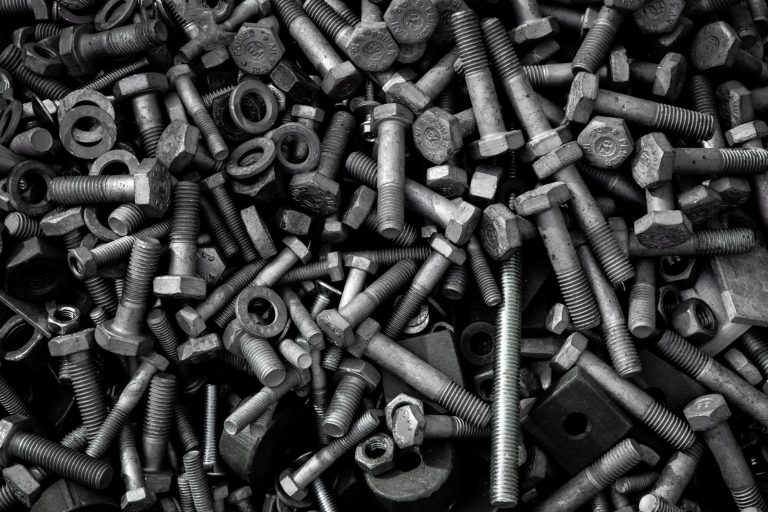
Selecting the right industrial hardware ensures that gas springs maintain their force curve and cycle life in demanding production environments.

This guide details the technical requirements for specifying and maintaining gas spring dampers to ensure controlled motion and equipment longevity.

A professional engineer’s guide to specifying, sizing, and installing gas struts, covering force calculation, stroke measurement, and mounting geometry.

Selecting the best gas strut requires matching the Newton force rating to your application’s geometry, cycle life requirements, and environmental conditions.

Selecting the correct grade of stainless steel for gas springs is critical to preventing premature seal failure and internal corrosion in harsh environments.

A technical guide to professional gas spring installation covering orientation, mounting hardware, and safety procedures for industrial and automotive assemblies.
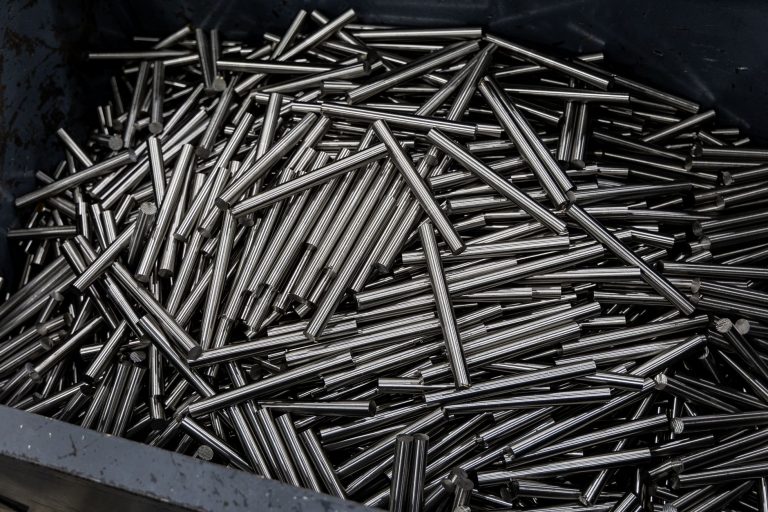
Stainless steel gas springs provide essential corrosion resistance in marine, pharmaceutical, and high-moisture industrial environments.

Selecting industrial springs requires rigorous attention to material fatigue, cycle ratings, and environmental stress factors common in production environments.