Gas Struts: A Professional Guide to Selection and Specification in 2026
Gas struts are pneumatic energy storage devices providing controlled lift and dampening for lids, hatches, and equipment panels across industrial sectors.

Gas struts are pneumatic energy storage devices providing controlled lift and dampening for lids, hatches, and equipment panels across industrial sectors.
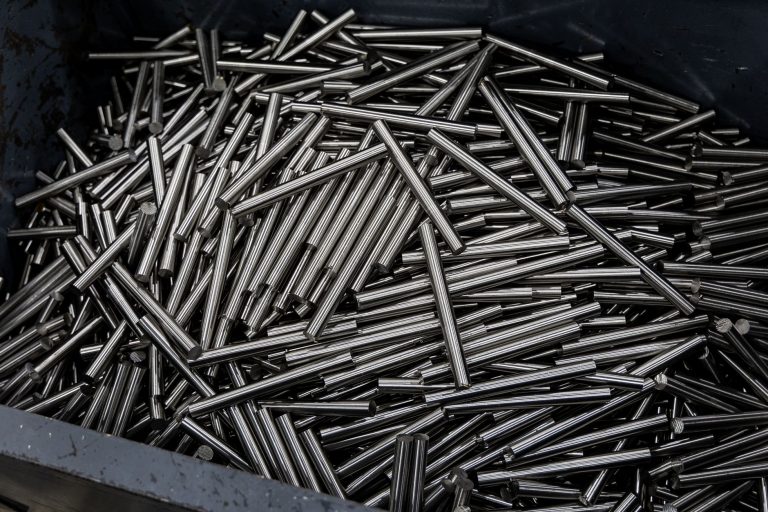
Stainless steel gas springs prevent component failure in high-corrosion environments by utilizing oxidation-resistant alloys for all structural elements.

Proper gas spring installation requires precise alignment and correct orientation to ensure seal longevity and operational safety for all mechanical applications.
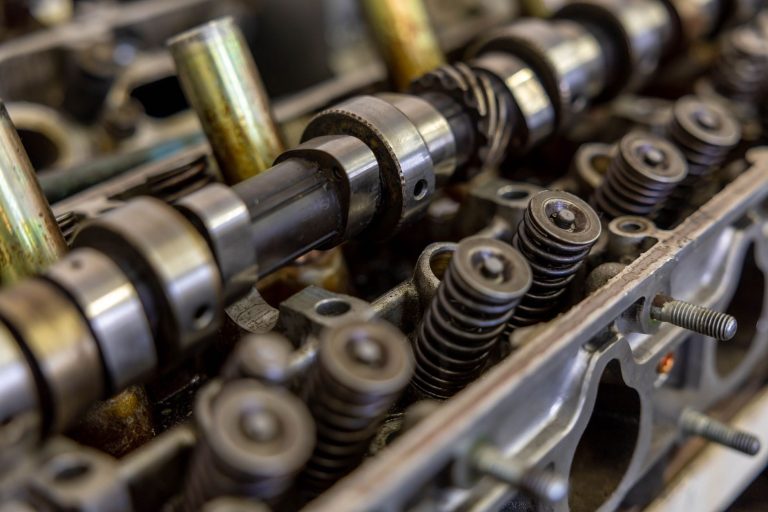
Industrial springs provide essential mechanical force for machinery, guarding, and automation, requiring precise force-curve and material specification.
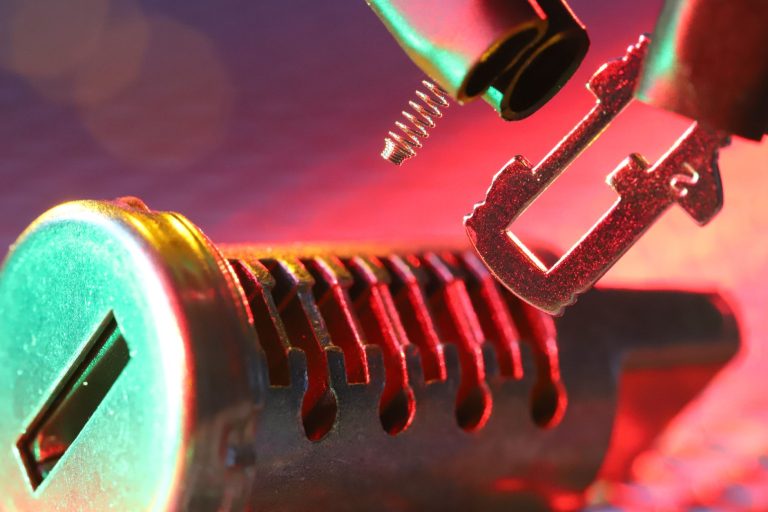
Locking gas springs use an internal separation valve to lock the piston at any position, providing stable support for heavy industrial machinery covers.
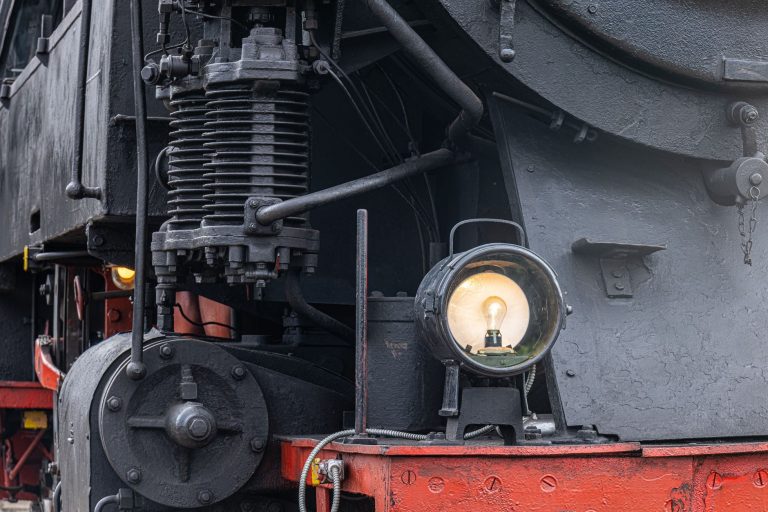
Compression springs are open-coil helical springs that provide resistance to an axial compressive load, functioning as essential energy-storage components.

Tension springs are helical springs designed to absorb and store energy by offering resistance to a tensile force. Proper specification requires balancing spring rate, material fatigue limits, and end-fitting geometry.
Gas springs are hydro-pneumatic lifting devices that use compressed nitrogen and hydraulic oil to provide controlled force and motion in mechanical assemblies.

Learn to install gas struts correctly with precise measurement techniques, torque specifications and safety checks for automotive lid applications.

Dampers in gas springs regulate extension speed using hydraulic oil, preventing sudden movement and reducing wear in lids, hatches and equipment.