Gas Struts: A Complete Engineering Guide 2026
Gas struts are pneumatic energy storage devices providing controlled lift and damping for industrial, automotive, and furniture applications.

Gas struts are pneumatic energy storage devices providing controlled lift and damping for industrial, automotive, and furniture applications.

Correct gas spring installation requires precise geometry, orientation, and safety protocols to ensure 50,000+ cycle life and operational performance.

Locking gas springs provide controlled, variable-position holding for heavy lids, ergonomic equipment, and adjustable machinery.
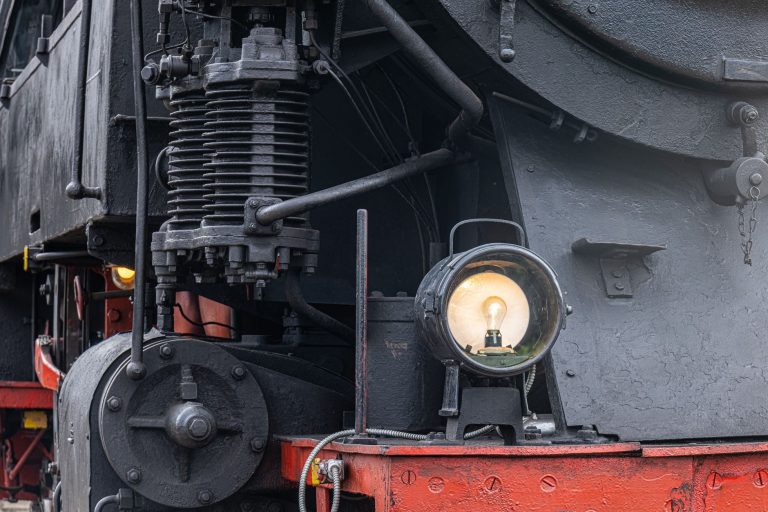
Compression springs are open-coil helical springs designed to provide a resistive force when compressed along their axis. Proper specification requires balancing material, wire diameter, and coil geometry to meet load requirements.
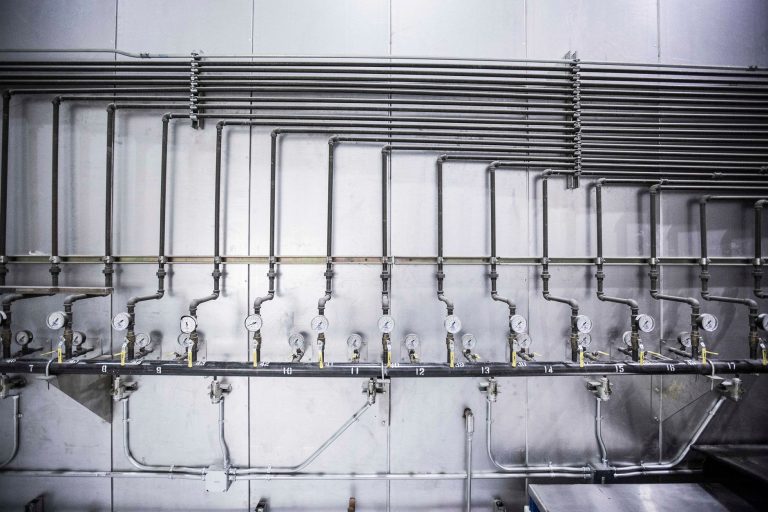
Gas springs are hydro-pneumatic lifting devices that provide controlled, assist-force motion for heavy lids, hatches, and mechanical assemblies.
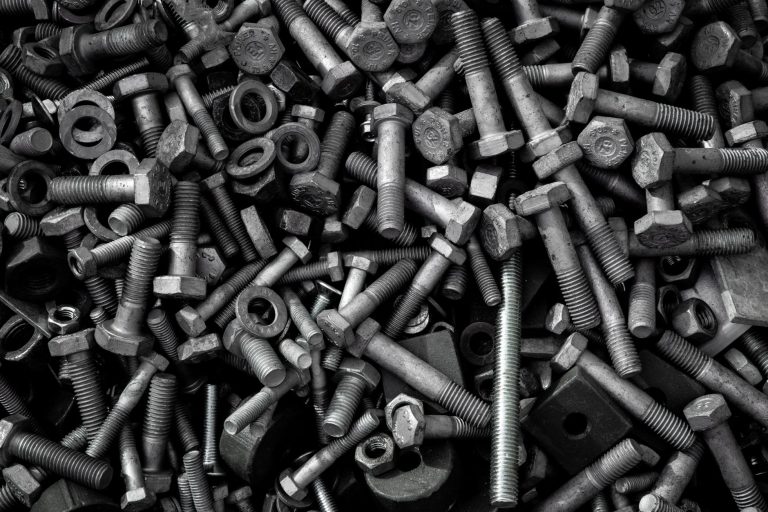
Industrial hardware refers to the high-tolerance mechanical components, such as gas springs and load-bearing hinges, required for machinery and enclosure integrity.

Lift supports are hydro-pneumatic devices that provide lifting and holding force for panels, lids, and hatches using compressed nitrogen gas. They are essential in automotive, furniture, marine, and industrial applications.
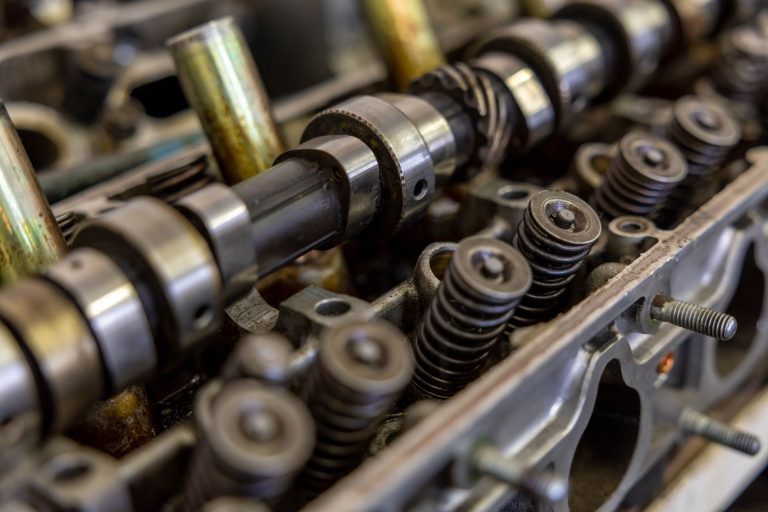
Industrial springs are mechanical devices engineered to store and release energy, with performance dictated by material metallurgy and geometry.

Tension springs are helically coiled mechanical components designed to provide a resistive force when subjected to an axial pulling load. This guide details specification parameters for engineering and procurement applications.
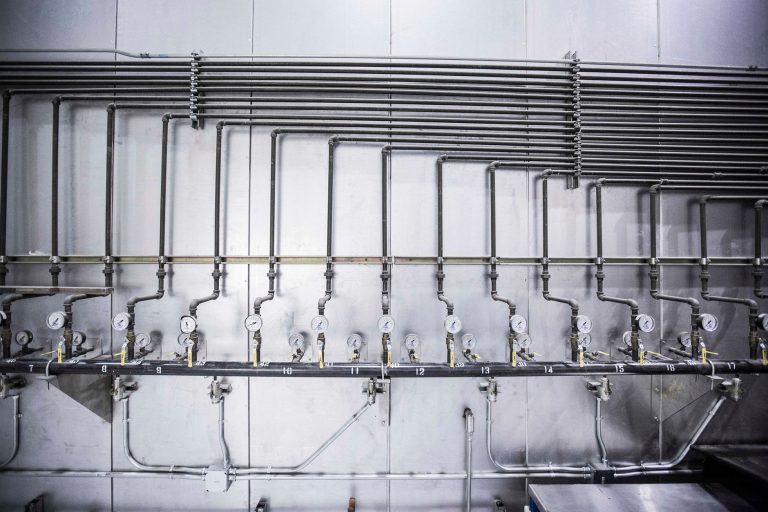
Gas springs are hydro-pneumatic lifting devices that use compressed nitrogen to provide balanced force and controlled damping for mechanical systems.