Mechanical Components: A Technical Selection Guide for Industrial Applications
What are the core mechanical components that dictate machine reliability?
Core mechanical components include gas springs, fasteners, bearings, and seals which directly influence operational safety and mechanical fatigue cycles.
⚡ In a Rush? Key Takeaways
- Standard industrial gas springs are rated for 50,000+ cycles in clean environments.
- Stainless steel 316 provides 4x the corrosion resistance of zinc-plated steel components.
- Properly specified load-bearing components require a 20% safety margin beyond max load.
- Incorrect mounting geometry remains the leading cause of component failure in machinery.
- Choosing components with verified technical datasheets reduces long-term maintenance costs.
Reliable machinery depends on the intersection of force, motion, and structural integrity provided by precision-engineered mechanical parts. While generic hardware might suffice for static assembly, dynamic equipment demands specific performance characteristics for every hinge, fastener, and gas strut in the build.
How do I select the correct mechanical fasteners for heavy-duty use?
Fastener selection requires matching tensile strength ratings to the load requirements and choosing materials resistant to specific site corrosion.
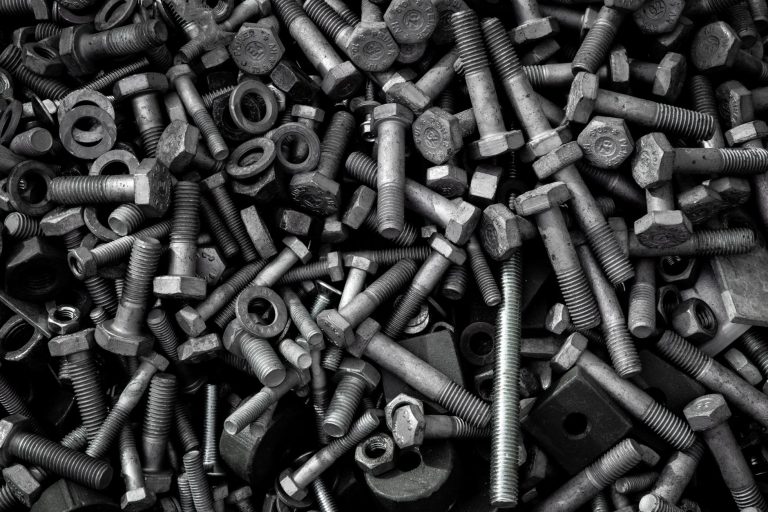
Material selection for fasteners often dictates the lifespan of an entire assembly. In industrial environments, choosing the correct grade of steel prevents catastrophic joint failure due to shear or hydrogen embrittlement. I always specify property class 8.8 or 10.9 steel for structural steel joints to ensure reliable torque retention.
- Use Grade 316 stainless for corrosive environments including saline exposure.
- Apply high-tensile alloy steel for load-bearing applications needing high clamping force.
- Ensure surface treatments like zinc-flake provide at least 500 hours of salt spray life.
- Verify bolt length engages at least 1.5 times the nominal thread diameter for security.
Which factors influence the lifespan of rotating mechanical parts?
Lifespan of rotating components depends on lubrication intervals, tolerance fit, and the heat dissipation capacity of the housing environment.
Bearings and bushings face continuous cyclic stress, leading to material fatigue if underspecified. Maintenance schedules must align with the component’s calculated B10 life expectancy, adjusting for environmental dust or moisture. Over-lubrication is as hazardous as under-lubrication, often leading to seal rupture.
Why should I prioritize verified datasheets over price?
Verified technical datasheets provide exact performance metrics including cycle ratings and operating ranges, preventing premature field failure.
When procurement managers prioritize low-cost components without verified specs, the hidden cost is downtime. A gas strut failing in a production line costs thousands in lost output, far outweighing the initial price savings. Engineers should insist on performance curves before approving any non-catalog part.
How do environmental conditions affect mechanical component durability?
Environmental factors like temperature, humidity, and chemical exposure significantly degrade seals, lubricants, and material surface integrity.
How does temperature variance impact gas spring performance?
Gas springs lose roughly 1.5 percent of their force for every degree Celsius drop, requiring specific charging for extreme cold applications.
Nitrogen-charged springs are sensitive to ambient temperature shifts. In northern UK or alpine regions, standard gas springs exhibit significant force loss during winter months. If your machinery requires marine-grade gas struts, account for both temperature swings and constant salt-air exposure.
| Condition | Component Requirement |
|---|---|
| Sub-zero | Low-temp seals and specialized gas charge |
| High Humidity | Stainless 316 or specialized coating |
| Abrasive Dust | Sealed end fittings and bellows covers |
What level of corrosion protection is necessary for outdoor hardware?
Outdoor hardware requires high-grade stainless steel or specialized powder coating to prevent oxidation and eventual structural joint failure.
Road salt and coastal salinity demand more than standard electro-galvanized finishes. I specify ceramic-coated or high-grade stainless components to ensure that fasteners and linkages remain serviceable throughout the equipment’s intended 10-year service life. Neglecting surface protection leads to seized hardware that requires grinding for removal.
Why are seals and wipers critical to mechanical motion?
Seals protect internal mechanisms from contaminants, maintaining lubrication and preventing wear within bearing and piston assemblies.
A compromised seal allows micro-abrasives into the sliding surfaces of rods and shafts. Once these contaminants penetrate, internal scarring occurs rapidly, causing oil leaks and loss of pressure. Regularly inspecting the condition of wiper seals prevents more expensive, deeper system repairs later.
How do fatigue and failure modes affect mechanical component longevity?
Fatigue failure is a primary cause of unexpected breakdown in cyclic-loaded components; assessing S‑N curves, stress concentrations, and proper surface finishes extends service life.
Mechanical fatigue occurs when a component experiences repeated loading below its ultimate tensile strength, leading to microscopic crack initiation at stress risers such as sharp corners, thread roots, or surface defects. Over millions of cycles these cracks propagate until sudden fracture. Designers mitigate fatigue by keeping peak stresses below the material’s endurance limit, using generous fillet radii, shot peening to induce compressive surface stresses, and selecting materials with high fatigue strength (e.g., alloy steels, titanium alloys).
Beyond pure fatigue, overload, brittle fracture, and corrosion‑fatigue can combine to accelerate failure. Overload events cause plastic deformation that reduces fatigue life, while corrosive environments (e.g., salt spray, acidic vapors) attack crack tips, increasing growth rates. Mitigation strategies include protective coatings, corrosion‑resistant alloys, regular non‑destructive testing (e.g., ultrasonic, dye penetrant), and designing for easy inspection of high‑stress areas. Incorporating these considerations early in the design phase prevents costly downtime and extends the reliable service life of mechanical components.
Frequently Asked Questions About Industrial Mechanical Parts
-
Can I mix different brands of mechanical components in one assembly?
Mixing component brands is acceptable if all parts meet the same technical specifications, tolerance limits, and material compatibility standards.
-
When should I upgrade to stainless steel components?
Upgrade to stainless steel when the equipment operates in humid, saline, or chemical environments where carbon steel will face rapid oxidation.
-
Are high-tensile fasteners reusable after heavy load cycles?
High-tensile fasteners subjected to extreme stress often undergo plastic deformation and should be replaced rather than reused for safety.
-
How do I calculate the correct cycle rating for a new machine?
Calculate cycle rating by multiplying the estimated annual operational frequency by the desired equipment service life in years for accuracy.
Conclusion
Selecting mechanical components requires balancing budget against technical requirements for cycle life, environmental resistance, and load capacity. By focusing on verified technical datasheets and the specific demands of your equipment, you maximize uptime and reduce total cost of ownership. Whether specifying custom assemblies or standard stock items, precision at the design stage remains the most effective method for ensuring long-term mechanical reliability.