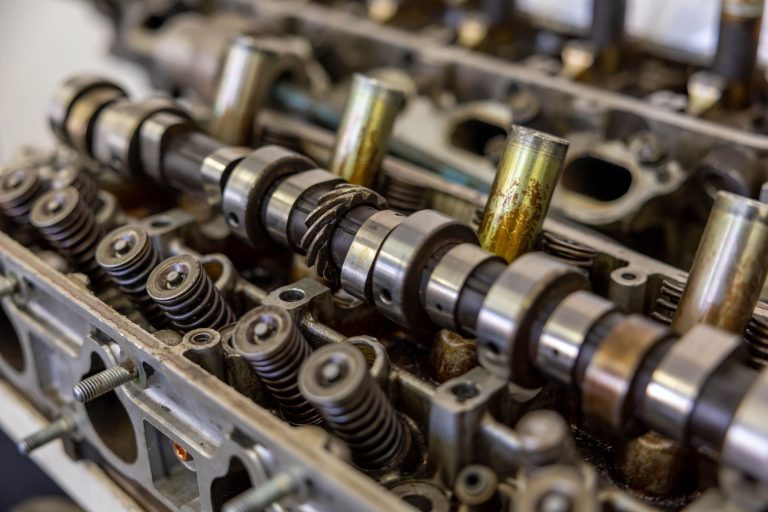
Mechanical Components: Specification Guide for Industrial Applications 2026
Mechanical components are the fundamental elements of machine assemblies, including fasteners, bearings, gears, and motion control devices that define the operational integrity of an industrial system. Precise specification of these parts requires a thorough understanding of material science, tolerance standards, and the specific load-bearing requirements of the intended environment.
⚡ In a Rush? Key Takeaways
- Standard industrial gas springs require replacement every 50,000 to 100,000 duty cycles.
- Stainless steel 316 provides 3x the corrosion resistance of 304 in marine environments.
- Mechanical assembly failure is reduced by 40% when using correct torque specifications.
- Always verify component fatigue ratings against real-world peak load data, not averages.
- Prioritize certified ISO-standard components for all critical load-bearing assemblies.
How Do You Select Mechanical Components for High-Cycle Applications?
High-cycle mechanical component selection requires prioritizing fatigue limits, wear-resistant material coatings, and lubrication intervals over initial unit cost.
What fatigue limits should be considered during selection?
Fatigue limits define the maximum stress a component handles before failure. Engineers must size parts for at least 150% of the peak cyclic load.
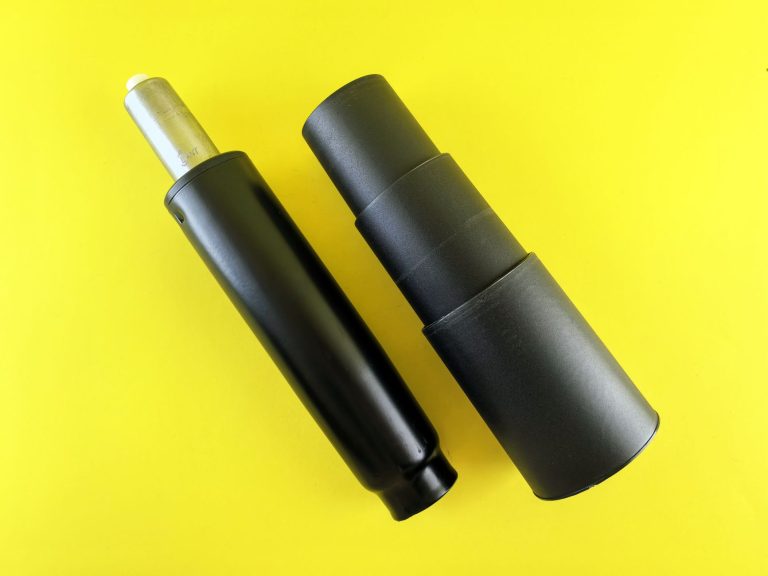
Components subject to repetitive loading do not fail at their yield strength, but at their endurance limit. When specifying gas springs or motion dampers, one must account for both the cycle count and the frequency of oscillation.
- Material density and crystalline structure
- Dynamic load versus static load capacity
- Surface finish and crack propagation risk
- Operating temperature influence on elasticity
Why does material choice impact component lifespan?
Material choice dictates corrosion resistance, thermal expansion rates, and brittleness, directly influencing the component service life.
Choosing between carbon steel, 316 stainless, or engineered polymers is not merely an aesthetic or cost-based decision. In industrial automotive applications, for example, the material must withstand environmental salts and humidity.
How Do Environmental Factors Influence Component Reliability?
Environmental factors like temperature, vibration, and moisture penetration shorten component life by accelerating seal wear and surface corrosion.
What are the risks of operating outside thermal ratings?
Operating outside rated thermal bounds causes seal degradation, fluid viscosity changes, and structural metal embrittlement or softening.
Gas springs typically operate between -30°C and +80°C. Exceeding these limits changes the internal pressure significantly, potentially leading to seal blowouts.
| Factor | Impact on Component |
|---|---|
| High Heat | Seal hardening, lubricant breakdown |
| Extreme Cold | Increased viscosity, pressure drop |
| Vibration | Fastener loosening, metal fatigue |
How can you mitigate vibration in critical assemblies?
Mitigate vibration via damping components, locking fasteners, and rigid chassis design to reduce mechanical resonance across the assembly.
Vibration is the silent killer of precise industrial machinery. Using locking washers or thread-locking compounds is standard practice for maintaining preload integrity.
Integration Strategies for Complex Assemblies
Proper integration involves managing tolerance stack-ups, ensuring geometric alignment, and utilizing modular design principles to streamline future repairs.
When assembling mechanical components, the cumulative effect of manufacturing tolerances—known as tolerance stack-up—can lead to binding, excessive friction, or premature seal wear. Engineers should utilize geometric dimensioning and tolerancing (GD&T) to specify allowable deviations, ensuring that components like bushings and shafts maintain consistent clearance regardless of slight batch variations. Proper alignment, verified through laser or mechanical gauges, prevents uneven load distribution, which is a leading cause of localized fatigue in bearings and linkages.
Furthermore, adopting a modular design strategy simplifies maintenance and lifecycle management. By grouping components that share similar duty cycles into replaceable modules, facilities can minimize downtime. This strategy allows technicians to replace entire sub-assemblies during scheduled outages rather than troubleshooting individual fasteners or pins in tight, inaccessible areas, thereby optimizing the total cost of ownership over the machine’s lifespan.
What Are the Common Maintenance Requirements for Industrial Parts?
Maintenance requirements center on scheduled inspection, timely lubrication, and replacement of parts before reaching their maximum cycle limit.
How do you establish an effective replacement schedule?
Establish schedules by tracking duty cycles or operating hours and replacing components at 80% of their documented service life expectancy.
Do not wait for a component to fail before replacing it. Proactive maintenance preserves the integrity of the surrounding machine architecture.
How can condition monitoring improve maintenance decisions?
Condition monitoring uses real‑time data such as vibration, temperature, and lubricant analysis to detect early signs of wear and predict failure before it occurs.
By installing sensors on critical components—like accelerometers on bearing housings or temperature probes on gas springs—maintenance teams can trend parameters against baseline values. When a parameter deviates beyond predefined thresholds, a work order is triggered, allowing replacement during planned downtime rather than after catastrophic failure.
Common techniques include vibration spectrum analysis for imbalance or misalignment, thermography for overheating seals, and oil debris analysis for particle wear. Implementing a simple condition‑monitoring program can extend component life by 20‑30% and reduce unscheduled stops.
Frequently Asked Questions
-
Why do mechanical parts fail prematurely?
Premature failure stems from improper installation torque, contamination of moving surfaces, or operation beyond defined load capacities.
-
Is stainless steel always better for mechanical parts?
No, stainless steel is not always superior; it is often softer than hardened carbon steel and should be reserved for corrosive environments.