Custom Spring Design: A Guide to Engineering and Procurement in 2026
Custom spring design is a complex engineering process involving force-deflection curve analysis, material selection, and rigorous stress testing.
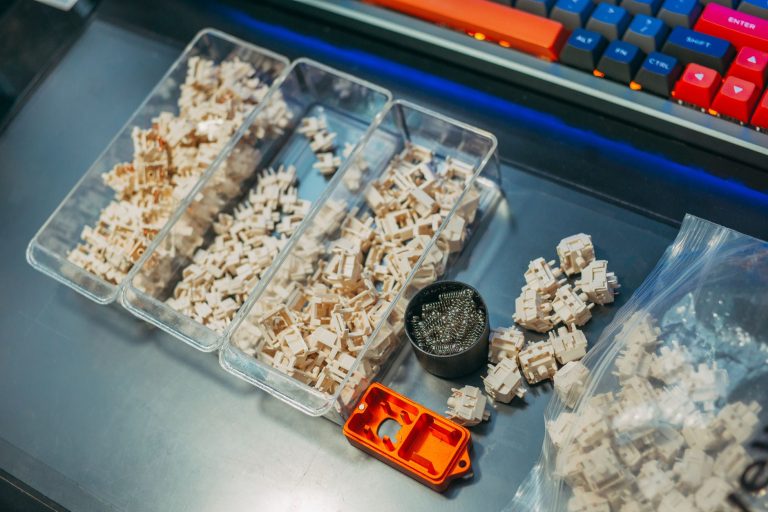
Custom spring design is a complex engineering process involving force-deflection curve analysis, material selection, and rigorous stress testing.
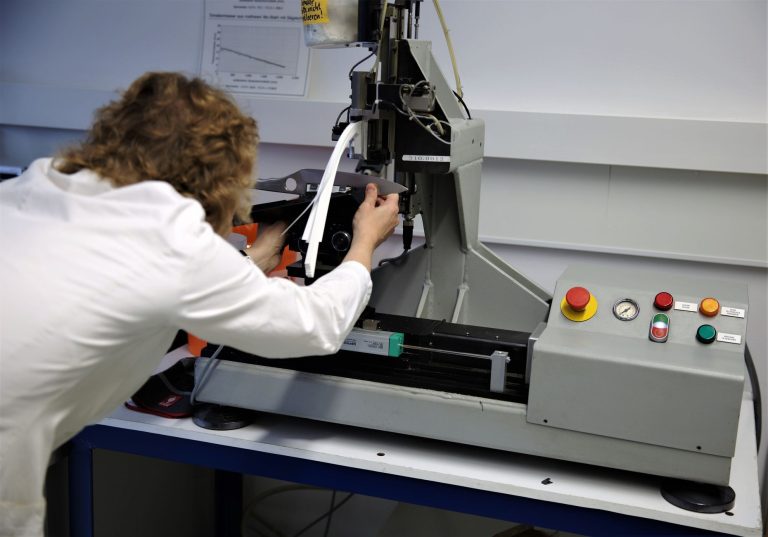
Spring fatigue testing determines the cycle life of mechanical springs through controlled stress application to prevent premature component failure.
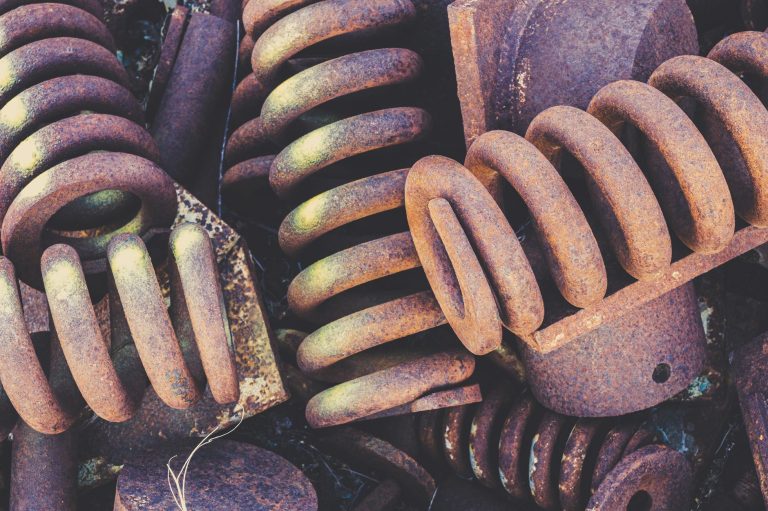
Spring corrosion resistance depends on material chemistry and environmental protection; choosing between stainless grades and carbon steel is critical.
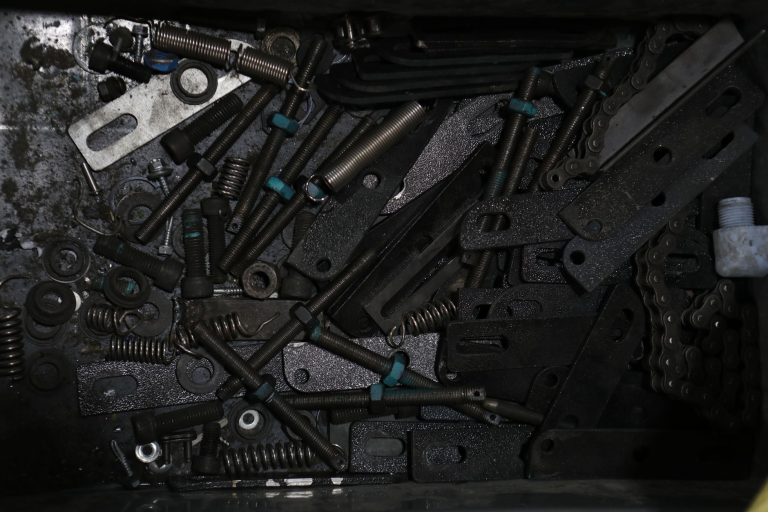
Torsion springs are mechanical components that store and release rotational energy by twisting around their central axis.

Gas spring force is not constant—it varies with stroke position, temperature, and wear. This guide explains the physics behind force curves and how to select the right spring for your application.
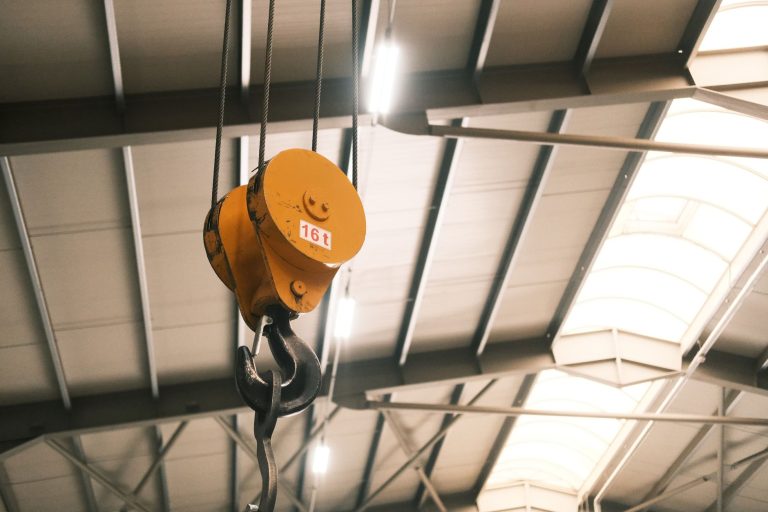
Lift supports are gas-charged struts that assist in opening, holding, and closing lids, hatches, and panels. This guide covers types, force calculation, measurement, and applications.

Gas struts, or gas springs, are self-contained, maintenance-free hydro-pneumatic lifting devices providing controlled force for opening, damping, and holding loads.
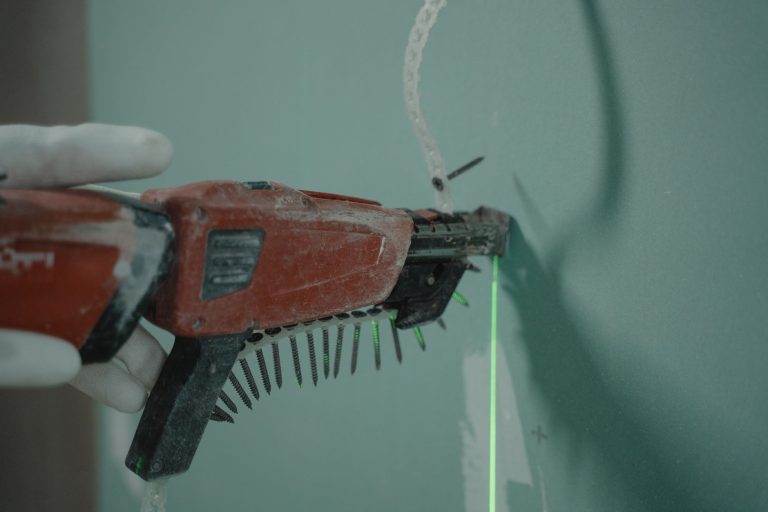
Proper gas spring installation is critical to prevent seal failure and ensure consistent damping force throughout the cycle.
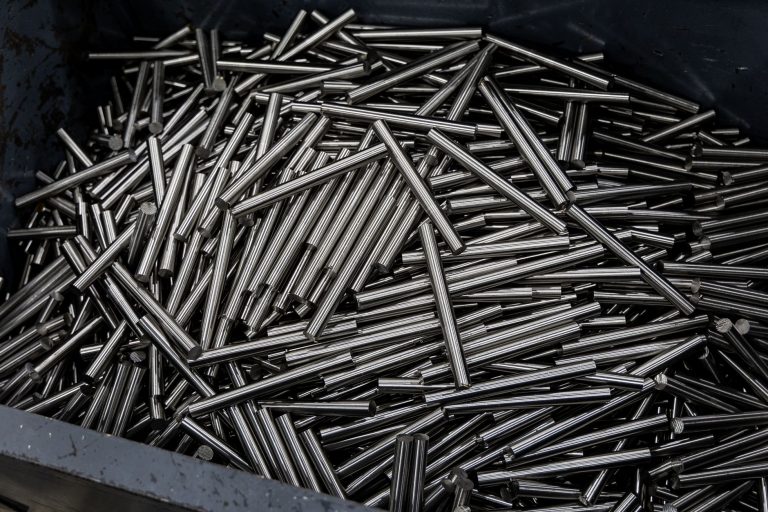
Stainless steel springs provide essential corrosion resistance in demanding industrial and marine applications. Choosing the correct grade is critical.
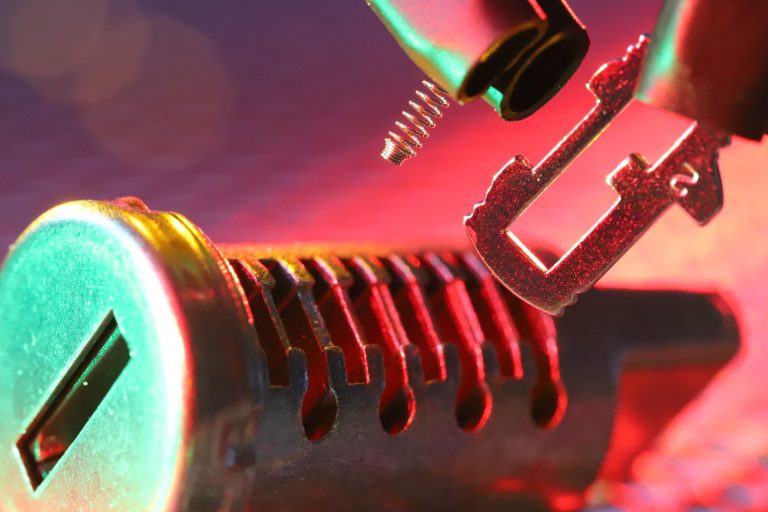
Locking gas springs utilize an internal valve to immobilize the piston at any point in the stroke, providing infinite positioning and structural safety.
