Gas Spring Installation Guides: Mounting and Safety Procedures 2026
Proper gas spring installation requires precise alignment and correct orientation to prevent premature seal failure and ensure safe operation of your lid or hatch.

Proper gas spring installation requires precise alignment and correct orientation to prevent premature seal failure and ensure safe operation of your lid or hatch.
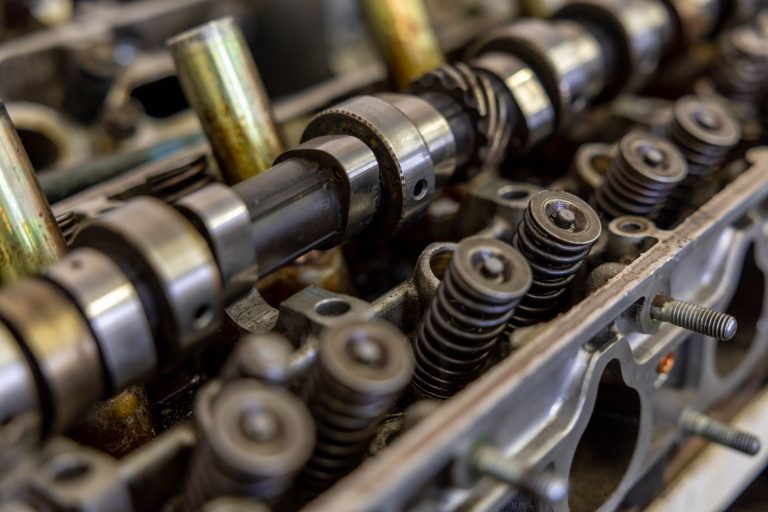
Industrial springs are engineered mechanical components used to store energy and control motion in machinery, with selection determined by fatigue cycles and load.
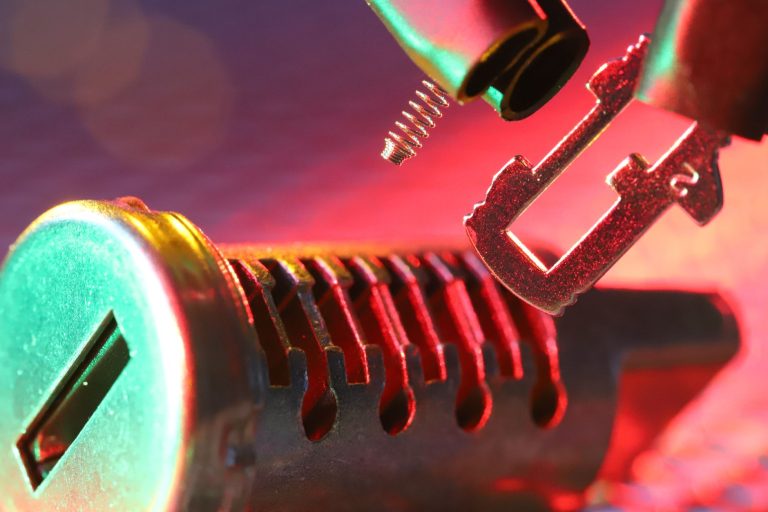
Locking gas springs provide controlled positioning by using an internal valve to stop movement at any point in the stroke. This guide explores the mechanical differences between rigid and elastic locking systems.

Selecting the correct gas spring requires calculating the exact force, stroke length, and mounting geometry required for your specific lid or panel.
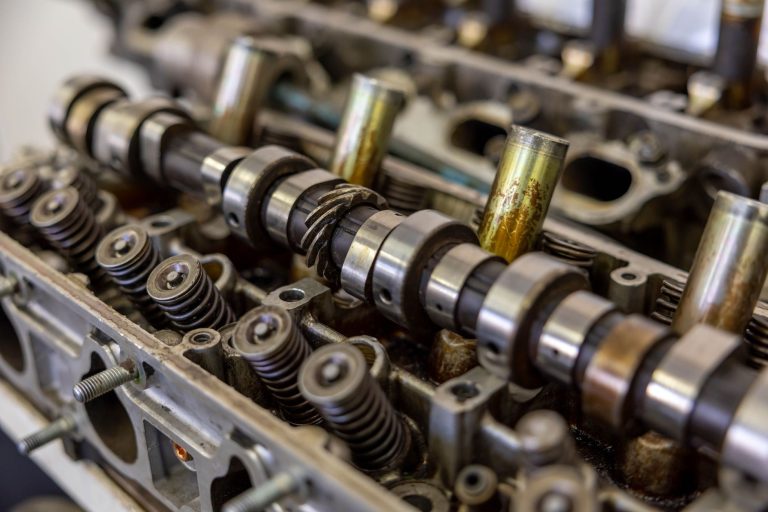
Mechanical components are the standardized elements of a machine assembly, encompassing fasteners, springs, and bearings that enable kinetic movement and structural integrity.

Dampers regulate the extension velocity of gas springs, preventing mechanical shock and ensuring smooth, controlled motion in high-load applications.

Gas struts, or gas springs, are pneumatic components providing controlled lifting and damping force for lids, hatches, and equipment enclosures.

Proper gas spring installation requires precise alignment and correct mounting orientation to ensure long-term cycle life and operational safety.
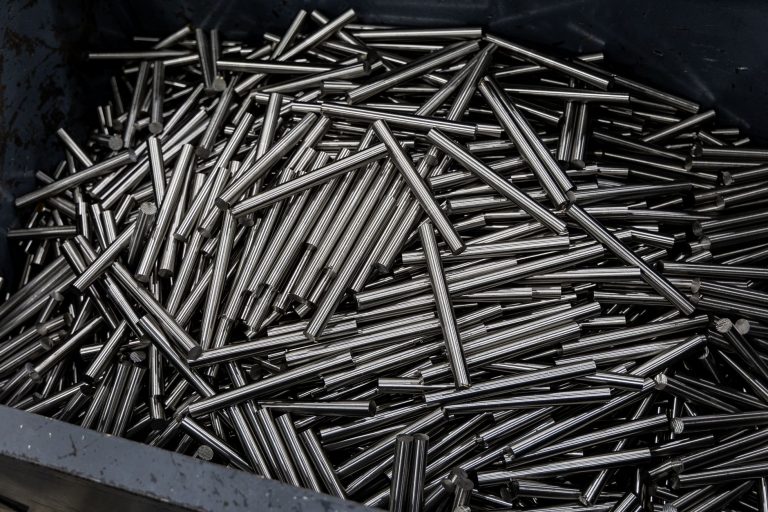
Stainless steel gas springs are essential for preventing corrosion in marine, pharmaceutical, and high-moisture industrial environments.
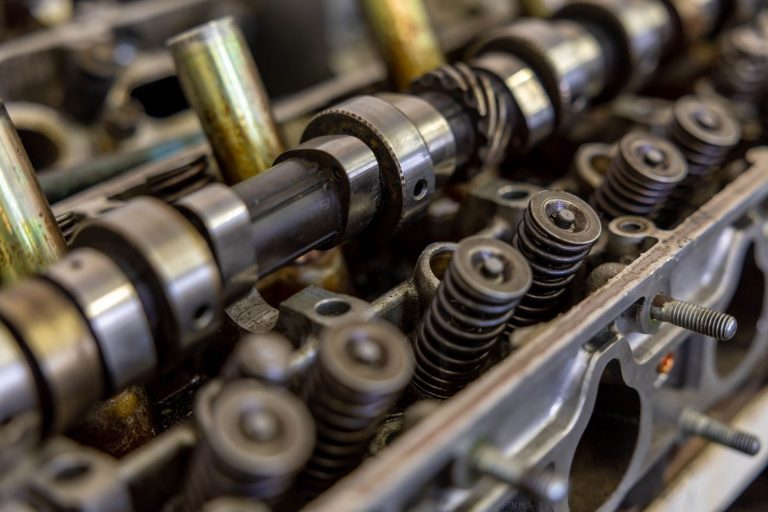
Industrial springs are engineered mechanical components used to store energy, absorb shock, or maintain contact between surfaces in machinery and equipment.