Industrial Hardware in the UK: A Guide for Procurement and Engineering
Industrial hardware encompasses the critical fasteners, hinges, and motion control components required for machinery, architectural, and manufacturing assemblies.
Industrial hardware encompasses the critical fasteners, hinges, and motion control components required for machinery, architectural, and manufacturing assemblies.

Gas struts are pneumatic energy storage devices providing controlled lift and hold-open force for various lids, hatches, and equipment panels.
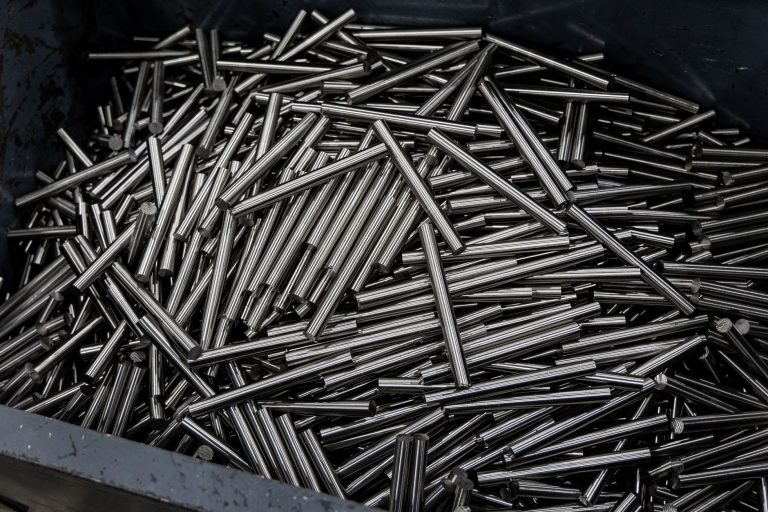
Stainless steel gas springs are mandatory for high-corrosion environments to prevent seal degradation and catastrophic failure of pressurized cylinders.

Locking gas springs provide adjustable, secure positioning for hatches, medical beds, and industrial equipment where standard struts fail.

Tension springs are helical coils designed to resist pulling forces, providing a reliable return mechanism for mechanical assemblies.
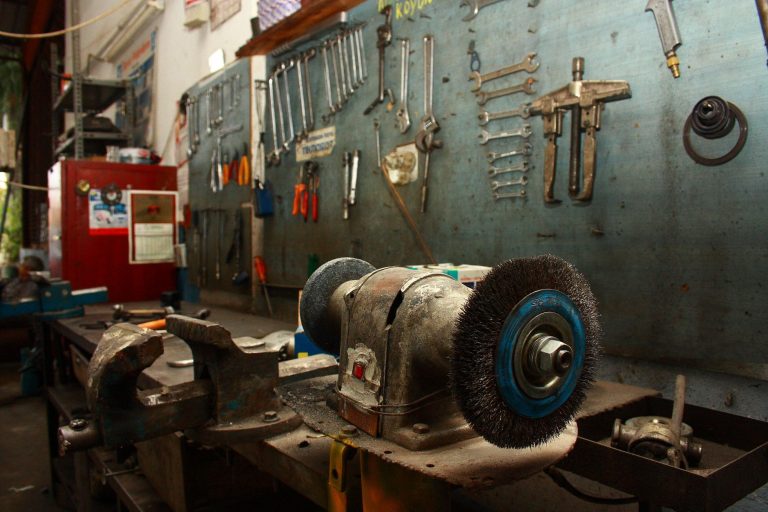
Compression springs provide variable resistance to compressive loads, functioning as the fundamental energy storage component in mechanical assemblies.

Spring force calculation requires precise application of Hooke’s Law adjusted for specific spring geometry, preload, and material modulus.

Selecting the correct spring requires precise calculation of force requirements, operating environment, and cycle life constraints to prevent system failure.

Dampers in gas springs control the speed of extension or compression, preventing structural impact and ensuring smooth operation in industrial enclosures.
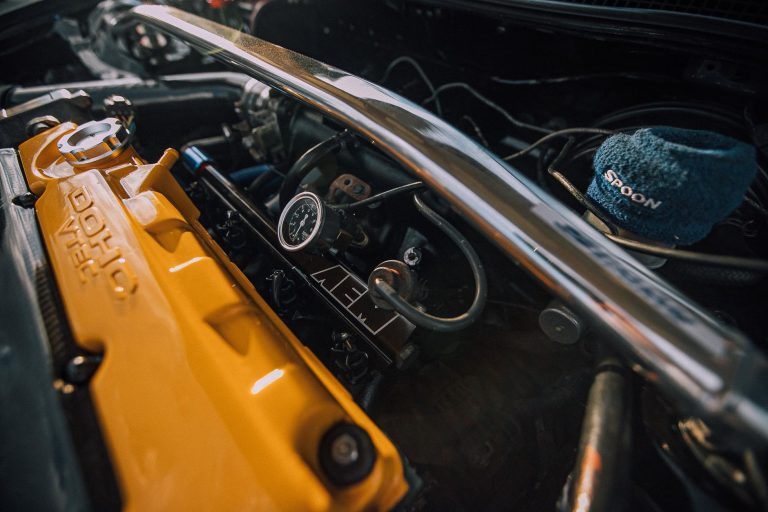
Gas struts are energy storage devices using compressed nitrogen to provide controlled lift force and damping for hatches, lids, and machinery covers.