Industrial Springs: A 2026 Procurement Guide
Industrial springs are engineered mechanical components designed to store and release energy across precise force ranges, cycle counts, and environmental conditions.
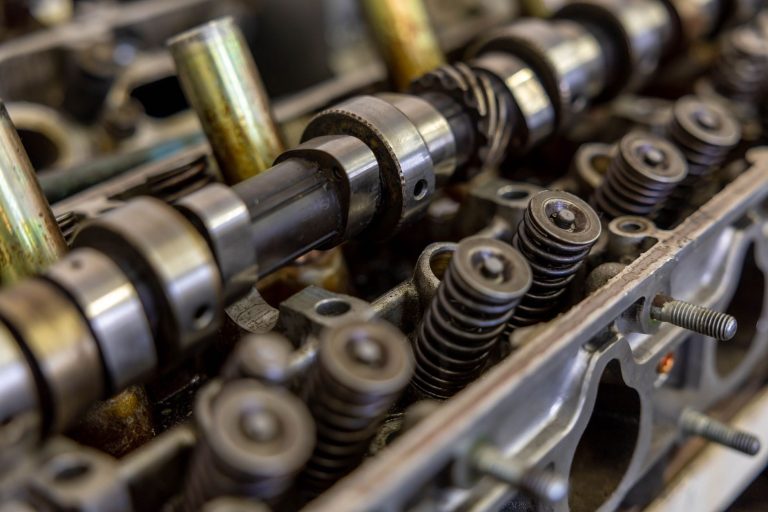
Industrial springs are engineered mechanical components designed to store and release energy across precise force ranges, cycle counts, and environmental conditions.

Tension springs are helical coils designed to resist pulling forces, providing reliable return force in mechanical assemblies and industrial machinery.
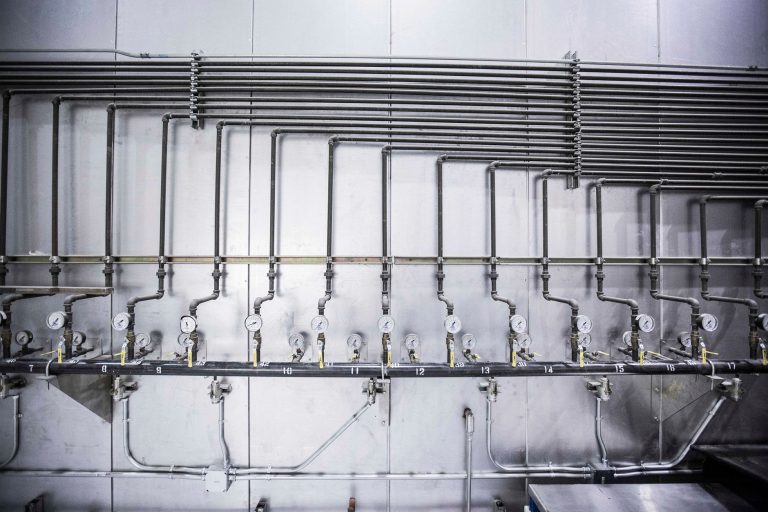
Gas springs are hydro-pneumatic lifting devices that provide controlled, assist-force extension through a compressed nitrogen charge.

Selecting the correct gas spring requires matching four key parameters to your application’s geometry and operating conditions.
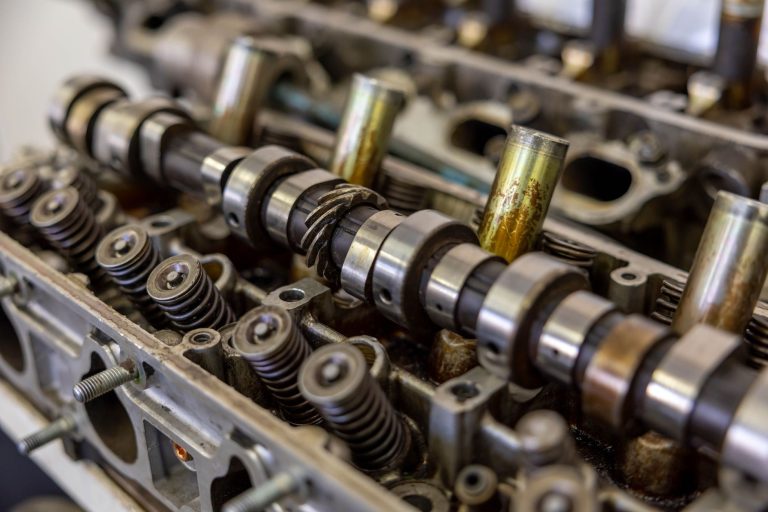
Mechanical components define the functional lifespan and reliability of industrial equipment. Proper specification requires attention to material grades, tolerance control, and environmental stressors.
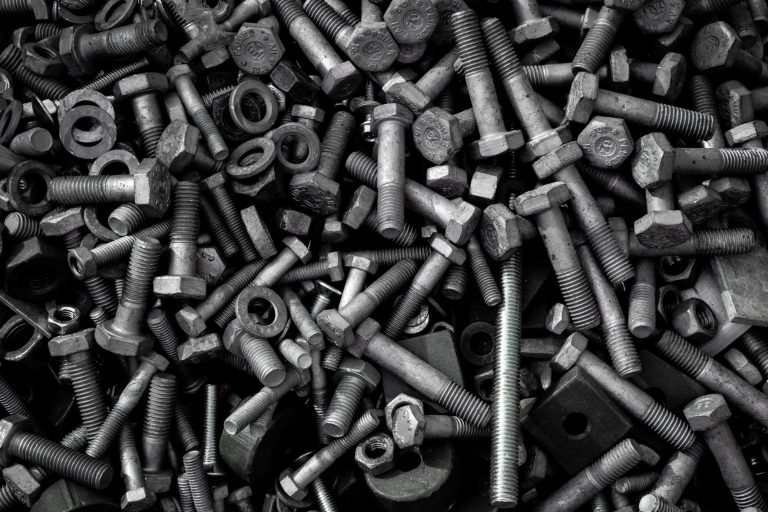
A technical overview of industrial hardware selection, focusing on material standards, load ratings, and the critical role of motion control in equipment assembly.
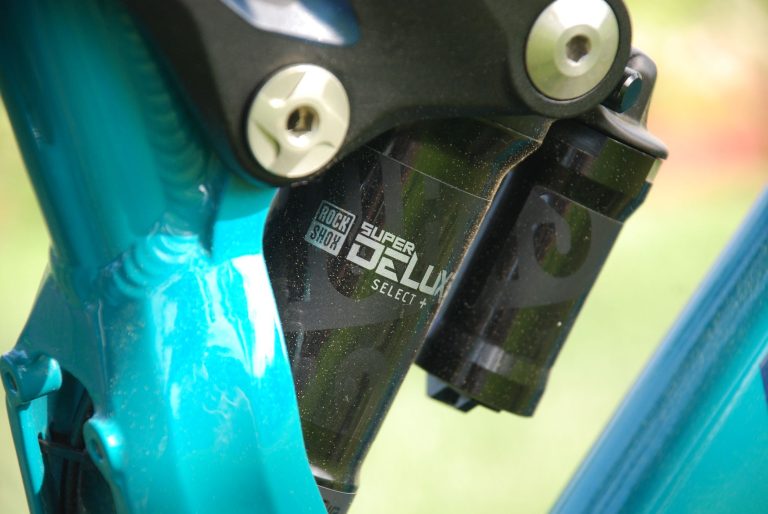
Gas spring dampers use internal hydraulic oil to control motion, reduce shock and extend service life. This guide explains damping mechanics, selection criteria and maintenance best practices.
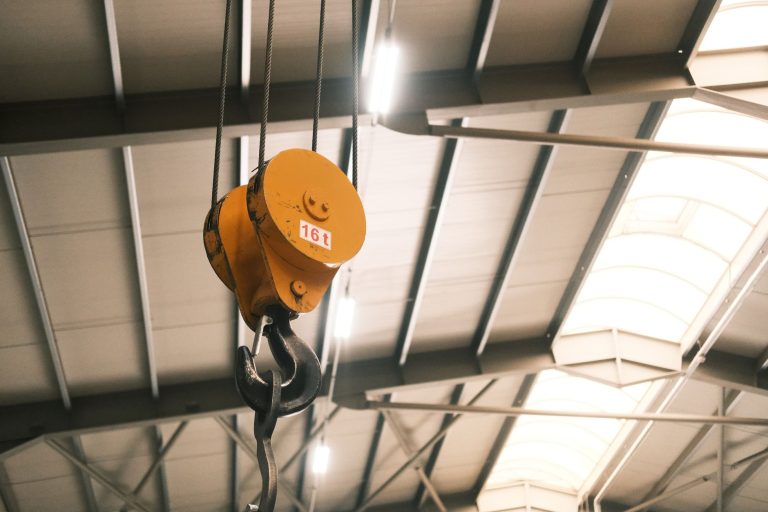
Lift supports are gas-charged springs used to provide controlled lifting force and hold-open capability for heavy hatches, lids, and access panels.

Gas struts are pneumatic energy storage devices providing controlled lift and dampening for hinged lids, hatches, and equipment enclosures.

Proper spring installation requires precise alignment and force calculation to prevent mechanical failure or injury during operation.