Industrial Springs: A 2026 Procurement Guide
Industrial springs are mechanical components designed to store and release energy across varied operating conditions in machinery, agriculture, and manufacturing.
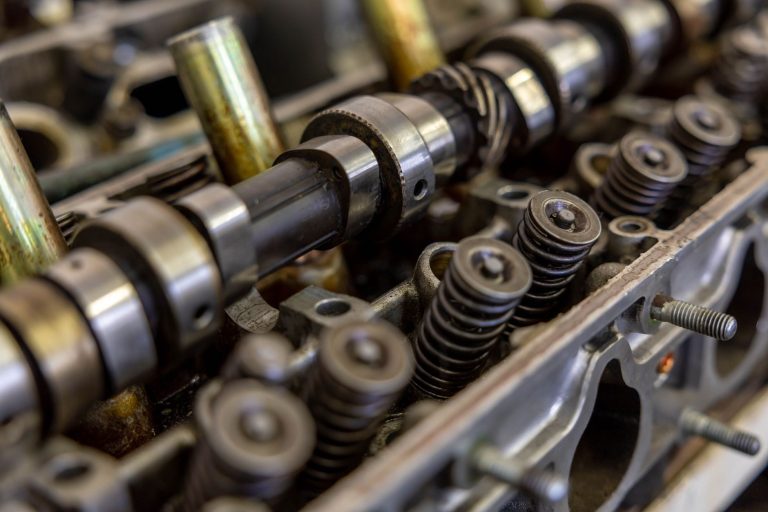
Industrial springs are mechanical components designed to store and release energy across varied operating conditions in machinery, agriculture, and manufacturing.
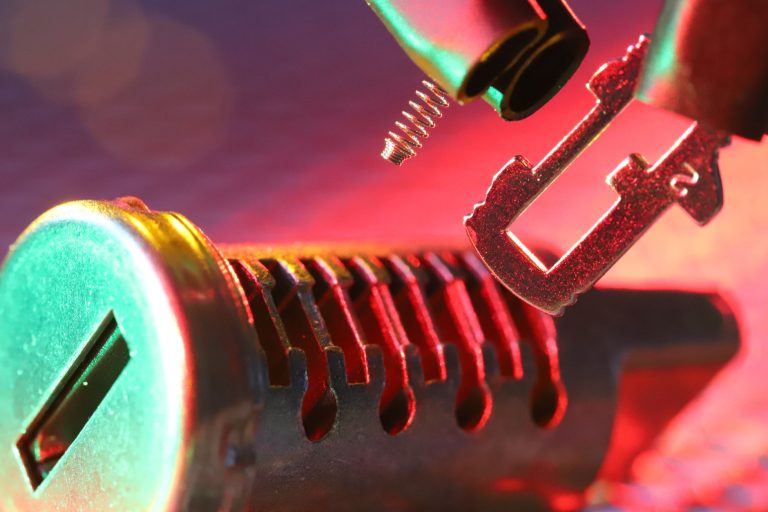
Locking gas springs provide the ability to halt a lid or hatch at any point in its travel range, held securely by an internal mechanical locking mechanism.

Tension springs are helical springs designed to resist a pulling force, characterized by their tightly wound coils and end-attachment geometry.

Selecting the correct gas spring requires precise calculation of force requirements, stroke length, and mounting geometry to ensure operational safety.

Calculating spring force is essential for selecting the correct component to avoid premature failure in lid, hatch, and mechanical assemblies.
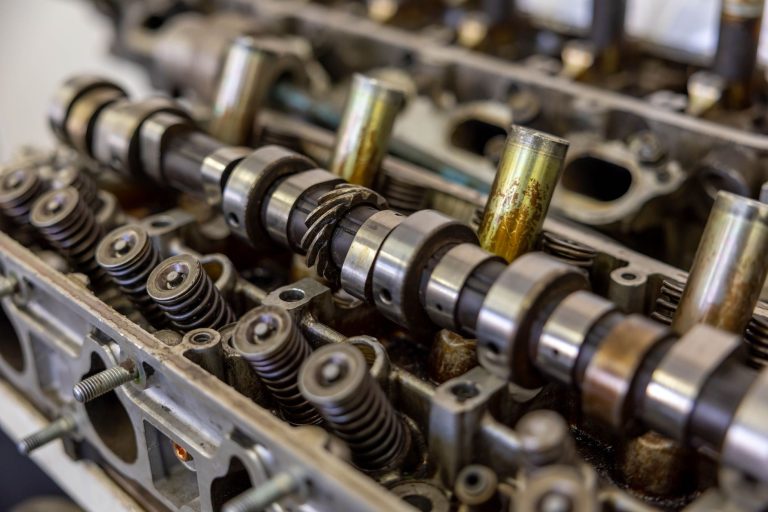
Mechanical components are the foundational building blocks of industrial machinery, defining the operational lifespan and safety of the final assembly.

Lift supports, technically known as gas springs, use pressurized nitrogen to provide controlled mechanical assistance for opening and holding heavy panels.

Gas struts, or gas springs, are hydropneumatic devices that provide controlled lifting force and damping for hatches, lids, and machinery covers.

Proper gas spring installation requires precise alignment and correct mounting orientation to prevent seal failure and mechanical binding in your application.
Industrial springs are engineered mechanical components used to store energy, provide return force, or absorb shock in high-demand machinery environments.