Tension Springs: Engineering Selection Guide 2026
Tension springs, or extension springs, provide resistance to axial pulling forces using tightly coiled wire loops. Proper specification requires calculating spring rate and initial tension.

Tension springs, or extension springs, provide resistance to axial pulling forces using tightly coiled wire loops. Proper specification requires calculating spring rate and initial tension.
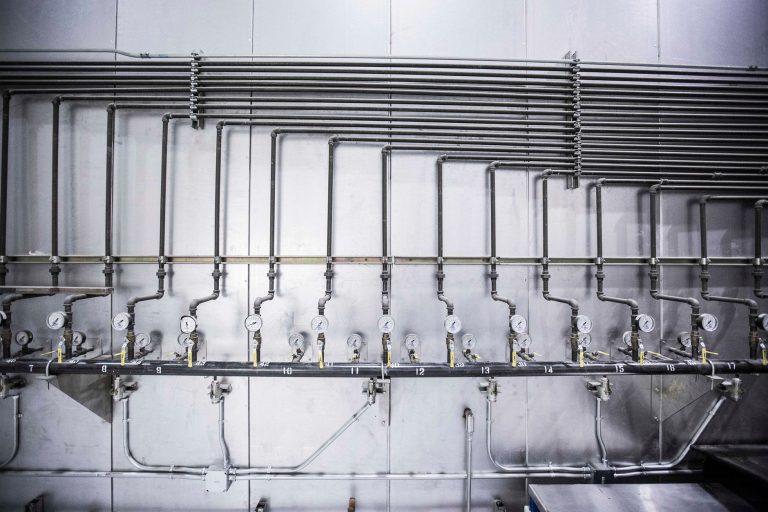
Gas springs are precision pneumatic components that provide controlled force through nitrogen pressure and hydraulic damping for lifting and balancing heavy loads.

Selecting the correct gas spring requires calculating force requirements, stroke length, and mounting geometry to ensure reliable, long-term operation.

Accurate spring force calculation is essential for preventing mechanical failure in industrial and automotive applications. This guide details the essential physics and formulas required for precise load support.

Dampers are mechanical components used to regulate the flow of air, smoke, or gases within ductwork, ventilation systems, and industrial process piping.
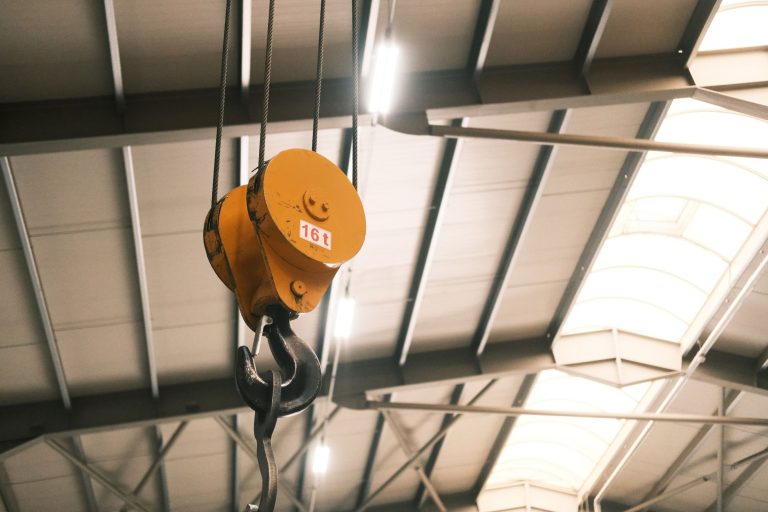
Lift supports are self-contained gas springs designed to provide counterbalancing force for heavy panels, ensuring they remain open without manual effort.

Gas struts are energy storage devices using compressed nitrogen to provide controlled lift, damping, and holding force for various mechanical lids and hatches.

Standardised spring installation requires precise alignment and load testing to prevent mechanical failure. This guide outlines professional mounting protocols.
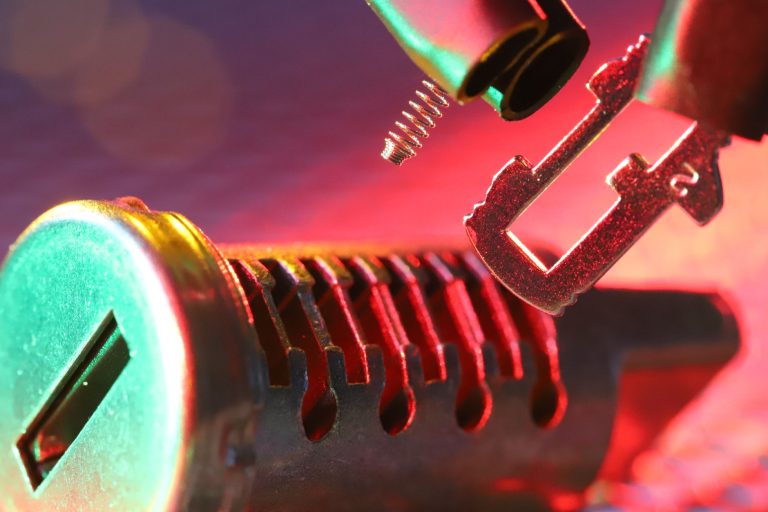
Locking gas springs allow a hatch, lid, or machine guard to be held securely at any point within its travel range using an integrated release mechanism.
Compression springs are open-coil helical springs designed to resist compressive force. This guide covers sizing parameters, material grades, and calculations.