Gas Spring Installation Guides: Mounting and Safety Protocols for 2026
Proper gas spring installation requires exact geometry to prevent seal failure and hardware damage. This guide provides the technical steps for correct mounting.

Proper gas spring installation requires exact geometry to prevent seal failure and hardware damage. This guide provides the technical steps for correct mounting.

Locking gas springs provide controlled positioning for heavy hatches and machine guards. This guide details selection criteria for 2026 industrial use.

Tension springs are helical coils designed to resist pulling forces, storing energy to return to their original position when the load is removed.
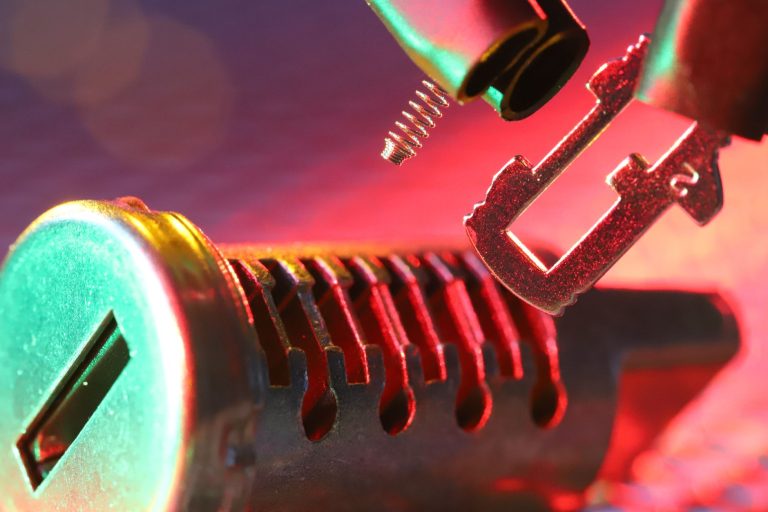
A technical overview of locking gas spring functionality, covering rigid versus elastic locking mechanisms, force specifications, and industrial application guidelines.

Selecting the best tension spring requires precise calculation of initial tension and spring rate to ensure load capacity and cycle life in industrial assemblies.
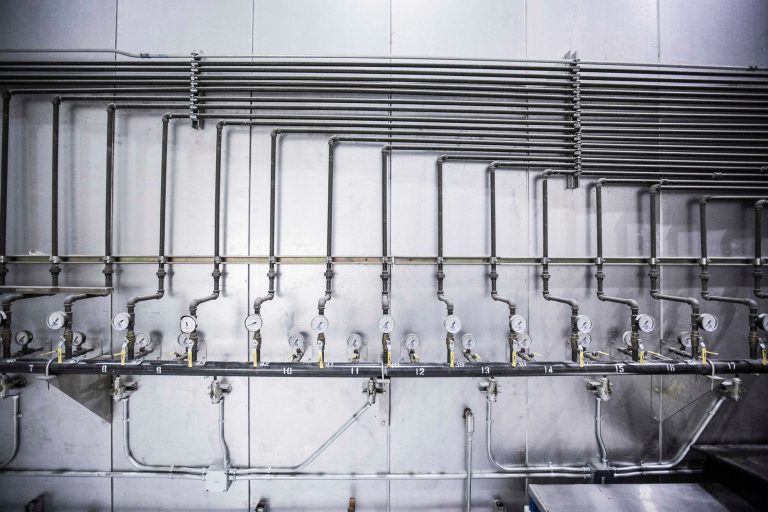
A professional guide for specifying gas springs, covering force calculations, stroke length verification, and mounting geometry essentials for industrial applications.

Selecting the correct gas spring requires calculating the specific force curve and geometry for your unique application to ensure long-term reliability.

This guide details the precise mechanical formulas and geometric considerations required to calculate the exact Newton force needed for your gas spring application.

Selecting the best lift supports requires matching exact force ratings and mounting dimensions to ensure your panel or boot operates safely and smoothly.

Selecting the correct damper prevents structural fatigue and mechanical failure in high-cycle motion applications.