Best Lift Supports for 2026: Professional Selection Guide
Selecting the best lift supports depends on specific force ratings, stroke lengths, and mounting geometry, not just universal fitment claims.
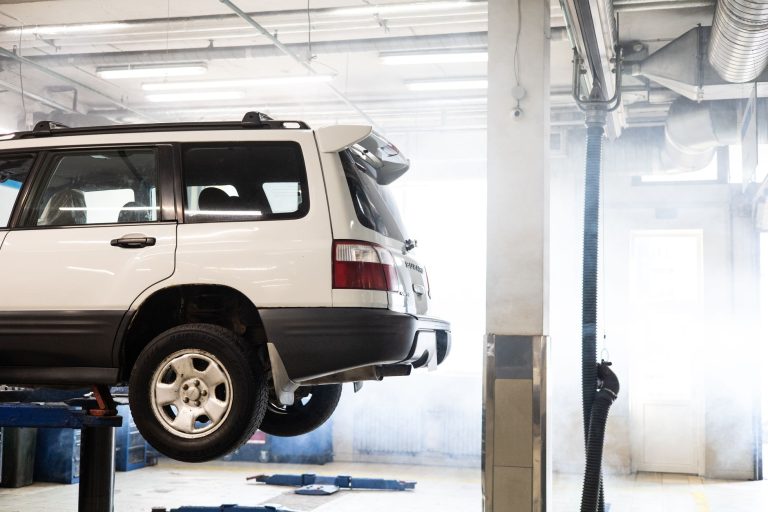
Selecting the best lift supports depends on specific force ratings, stroke lengths, and mounting geometry, not just universal fitment claims.

Lift supports are gas-charged springs that assist in opening and holding automotive hatches, bonnets, and boot lids at a set height.

Lift supports use compressed nitrogen to provide controlled lift for panels. This guide covers specification, applications, and installation for engineers and buyers.

A professional engineer’s guide to specifying, sizing, and replacing gas struts across automotive, furniture, and industrial applications.

Selecting the best gas strut depends on your specific cycle requirements and environmental exposure, as universal parts often lead to premature failure.

This technical manual provides the precise installation parameters required for secure, high-cycle gas spring mounting across industrial and mobile equipment.

Precise installation of gas struts and mechanical springs is critical to ensuring cycle life and operator safety in industrial applications.
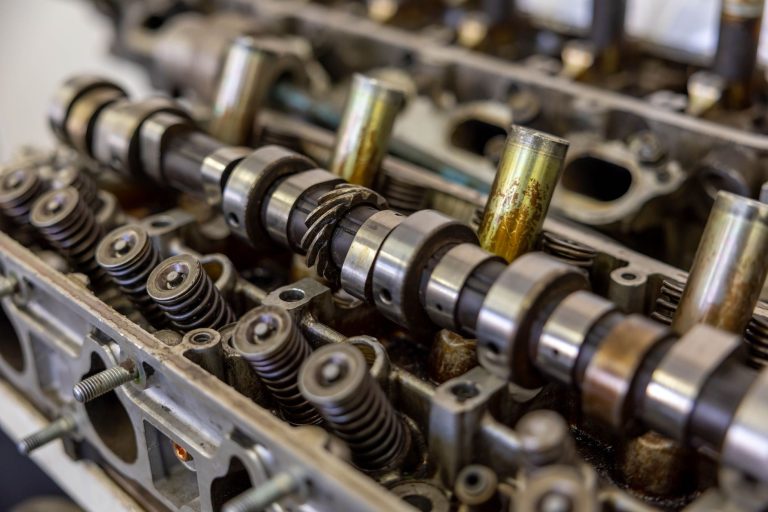
Selecting the best industrial springs requires precise calculation of fatigue life, material grade, and load-deflection characteristics for reliable performance.
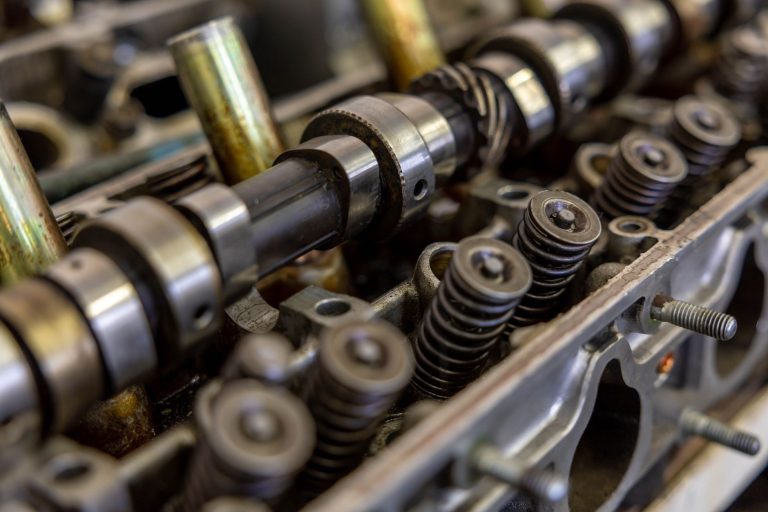
This industrial springs guide covers compression, extension, torsion and gas spring types, selection criteria for force and environmental factors, failure prevention and specification essentials for industrial applications.

Tension springs are helical coils designed to resist pulling forces, storing energy to return components to a neutral state. This guide defines specification parameters for industrial and mechanical applications.