Tension Springs: Engineering Specs and Selection Guide 2026
Tension springs are helical springs designed to resist a pulling force, extending in length as the load increases from the initial tension state.

Tension springs are helical springs designed to resist a pulling force, extending in length as the load increases from the initial tension state.
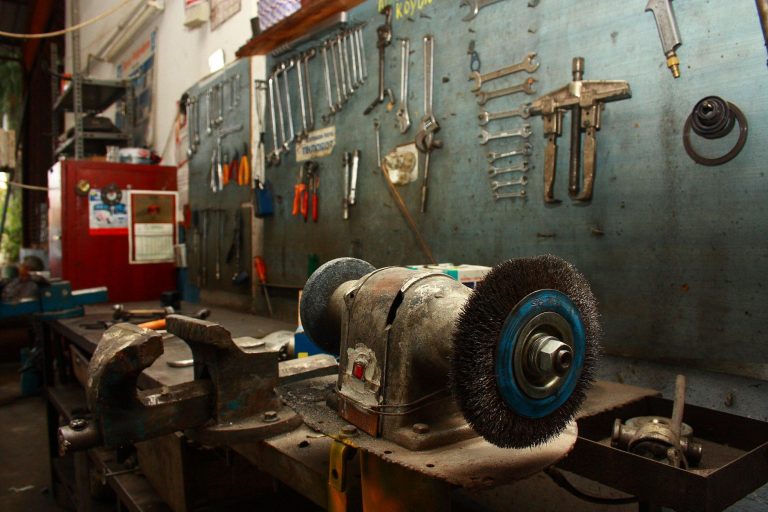
Compression springs are helical coils designed to resist axial compressive forces, essential for energy storage and mechanical load regulation.
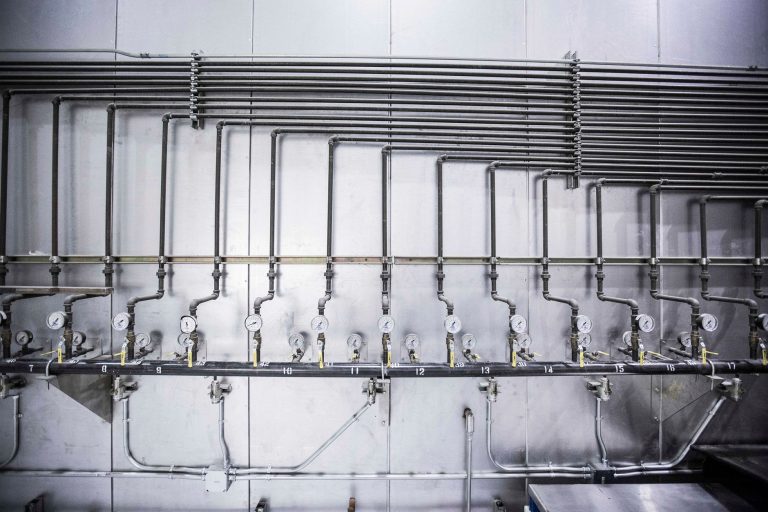
Gas springs are hydro-pneumatic lifting devices that use compressed nitrogen to provide controlled mechanical force and damping for automated lifting applications.

Selecting the correct gas spring requires precise calculation of force, stroke, and mounting geometry to ensure mechanical longevity and safe operation.

Lift supports use compressed nitrogen to provide controlled extension and damping for lids, hatches, and tailgates.
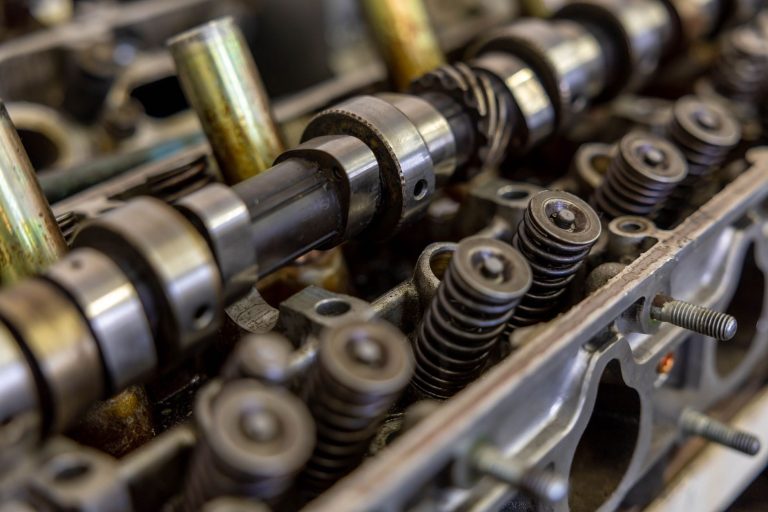
Industrial springs are mechanical devices that store and release energy to control motion or maintain force in high-load engineering systems.

Tension springs are helical springs designed to absorb and store energy by offering resistance to a tensile force, extending in length under load.
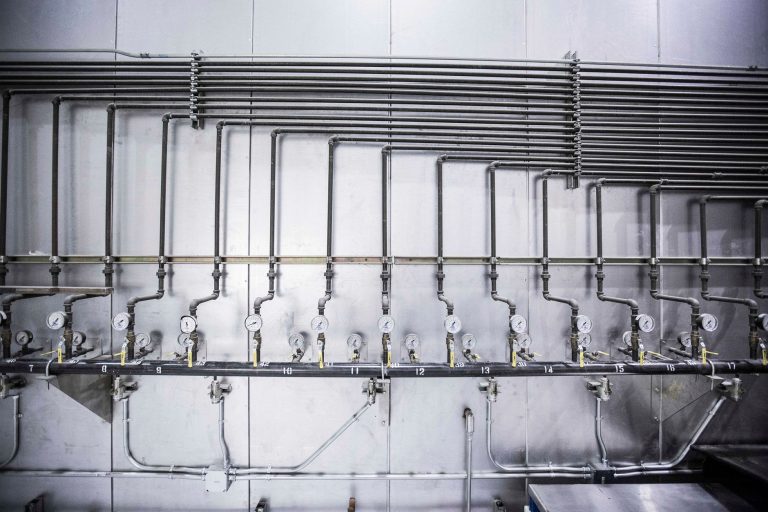
Gas springs are hydro-pneumatic lifting devices providing controlled extension force via compressed nitrogen and oil damping. Precise specification of Newton force and stroke is critical for long-term reliability.
Compression springs are open-coil helical springs designed to resist compressive force applied along the axis, providing mechanical energy storage.
Locking gas springs provide adjustable hold-open positioning by incorporating a valve mechanism that stops piston movement at any point along the stroke.