Gas Struts: A Complete Engineering Guide 2026
Gas struts are self-contained nitrogen-charged cylinders used to provide controlled lifting, lowering, or holding force for hatches, lids, and machinery.

Gas struts are self-contained nitrogen-charged cylinders used to provide controlled lifting, lowering, or holding force for hatches, lids, and machinery.
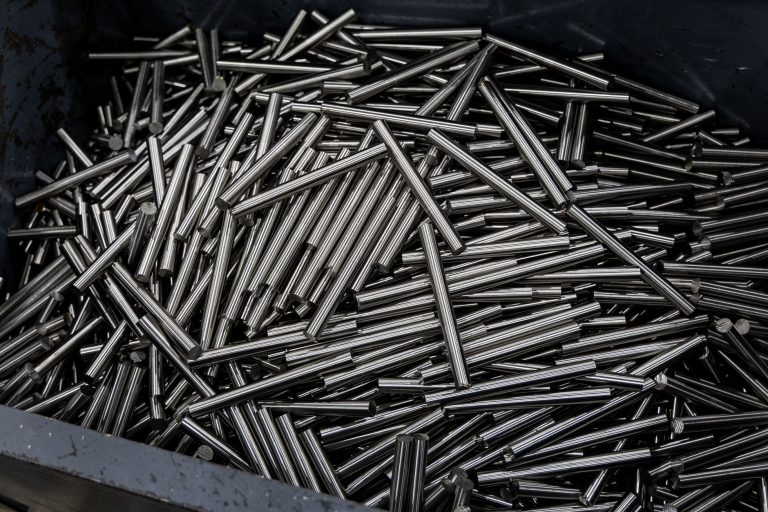
Stainless steel gas springs prevent component failure in high-corrosion environments by utilising 316 or 304 grade alloys instead of carbon steel.
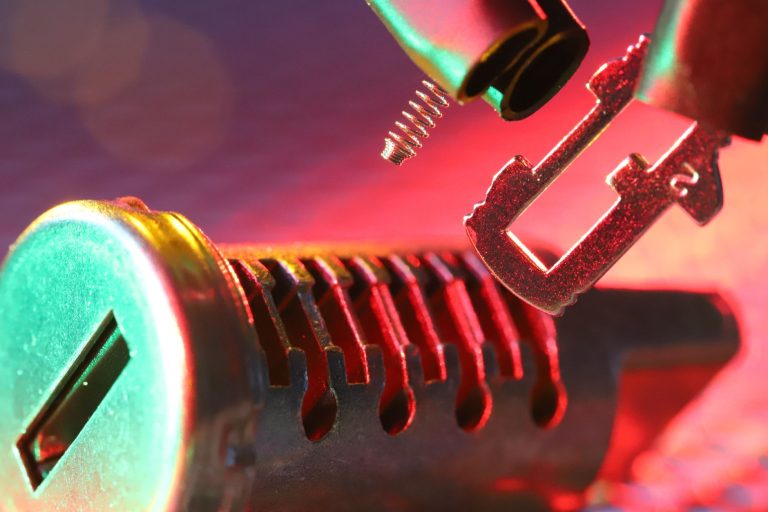
Locking gas springs allow a lid, hatch, or equipment mount to be fixed at any point within its stroke range using a mechanical or hydraulic release.
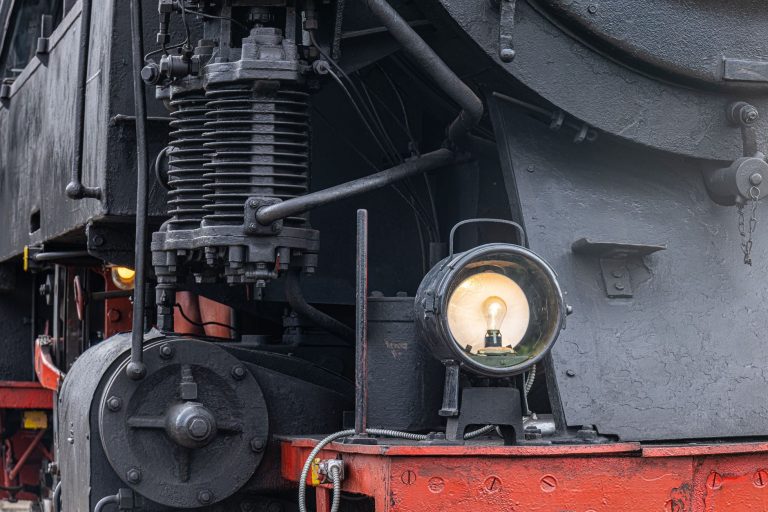
Compression springs are open-coil helical springs that resist compressive force, providing the mechanical resistance needed for diverse industrial applications.
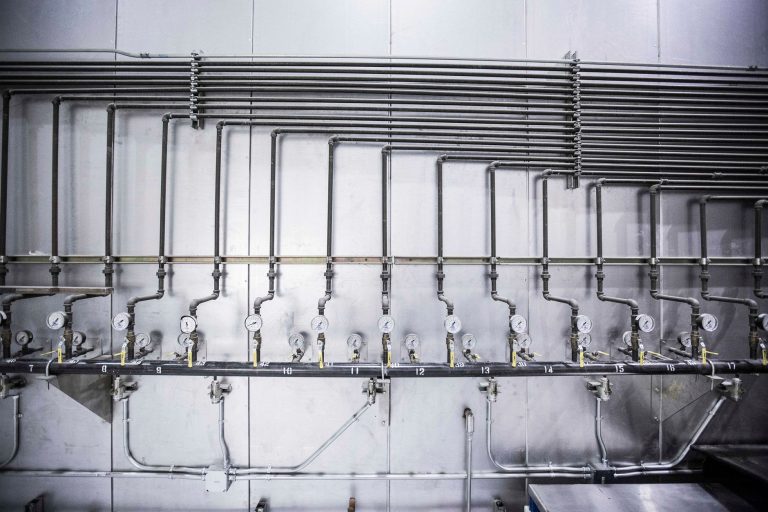
Gas springs are hydro-pneumatic lifting devices providing controlled extension force for industrial, automotive, and furniture applications.

A technical breakdown of spring force calculation methods for industrial and mechanical design applications, focused on accurate Newton-force specification.
This guide covers the technical parameters and material considerations for specifying industrial hardware, with a specific focus on high-cycle gas spring integration.

Dampers in gas springs control kinetic energy release to ensure smooth motion and prevent mechanical stress. Precise specification is vital for longevity.
Lift supports, also known as gas struts, are mechanical components providing controlled force to assist in lifting and maintaining open heavy panels.

Gas struts use compressed nitrogen gas to provide controlled lifting force for lids, hatches and panels. Learn specifications, measurement techniques and selection criteria for automotive, industrial and furniture applications.