Gas Spring Installation Guides: Mounting Methods and Safety Procedures
Correct gas spring installation requires precise geometry to ensure safety and longevity. Follow these technical procedures for proper mounting.

Correct gas spring installation requires precise geometry to ensure safety and longevity. Follow these technical procedures for proper mounting.
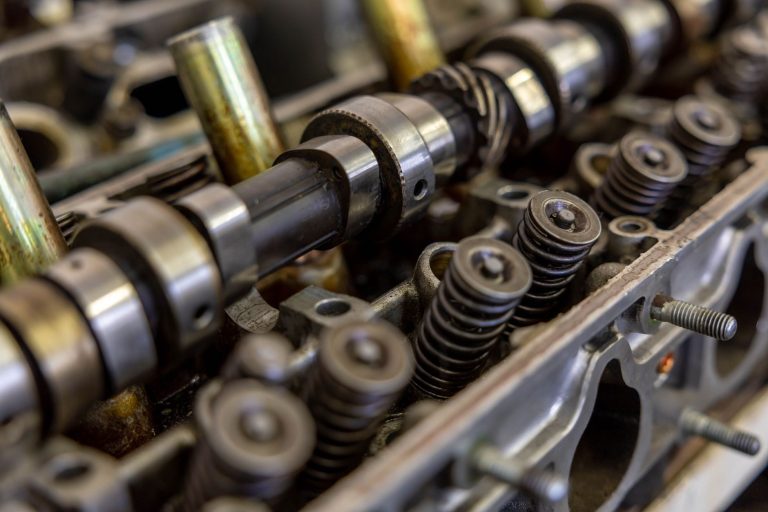
Industrial springs are engineered mechanical components designed to store and release energy in high-stress, high-cycle environments. Selection relies on precise force curves and material fatigue limits.
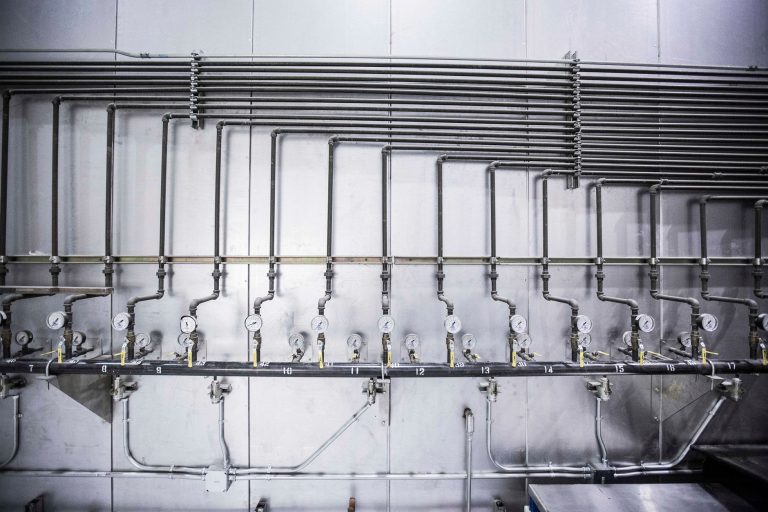
Gas springs are hydro-pneumatic lifting devices providing controlled force for opening, closing, and dampening heavy industrial panels.

Locking gas springs allow a lid or hatch to be held securely at any position along the stroke length using an integrated release mechanism.

Compression springs are open-coil helical springs designed to provide resistance to compressive force, critical in applications ranging from automotive valvetrains to industrial switches.
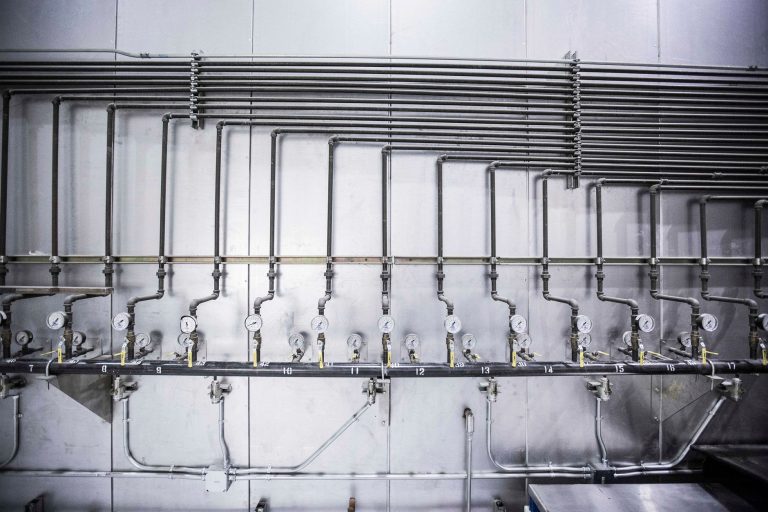
A gas spring is a hydro-pneumatic device using compressed nitrogen to provide controlled lifting, damping, and hold-open support for industrial lids.
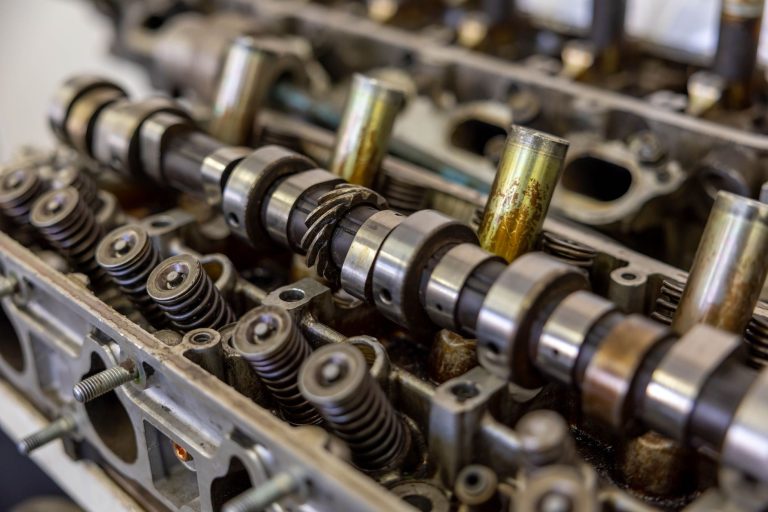
Mechanical components are the fundamental building blocks of machinery, requiring precise specification to ensure long-term structural and kinetic integrity.
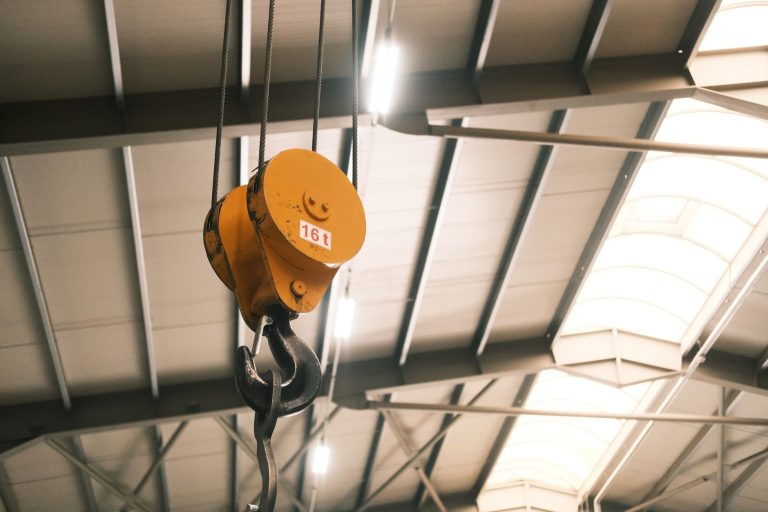
Lift supports provide mechanical assistance for lifting and holding heavy panels, utilizing pressurized nitrogen to deliver consistent force.

This technical guide outlines standardized installation procedures for industrial gas springs and mechanical load-bearing components.
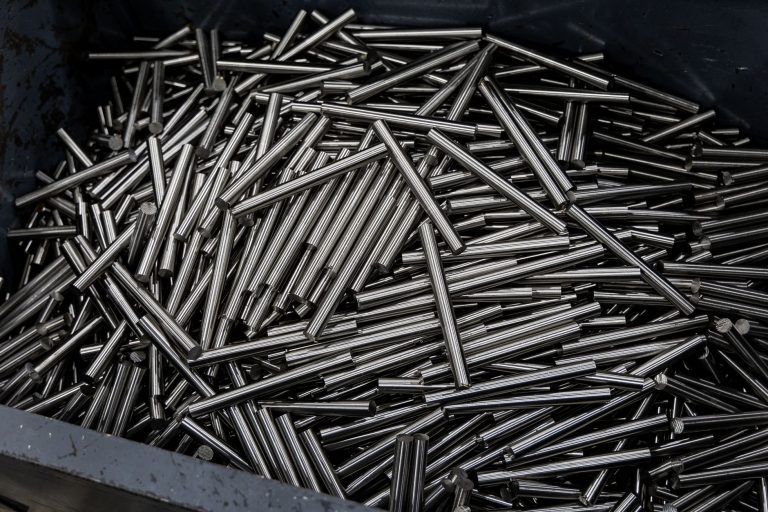
Selecting the correct stainless steel grade is critical for corrosion resistance and fatigue life in industrial spring applications.