Locking Gas Springs: A Technical Guide to Load Positioning 2026
Locking gas springs provide variable or fixed position control for heavy lids, enabling safe operation in industrial and automotive applications.

Locking gas springs provide variable or fixed position control for heavy lids, enabling safe operation in industrial and automotive applications.

Selecting the correct gas spring requires precise calculation of force, stroke, and mounting geometry to ensure operational safety and hardware longevity.
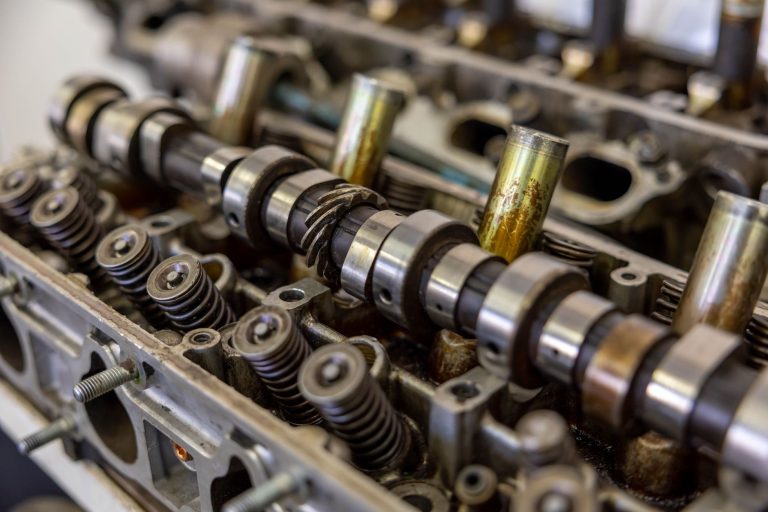
Mechanical components are physical parts that transmit force, motion or load in mechanical systems. Proper selection ensures safety, efficiency and longevity.
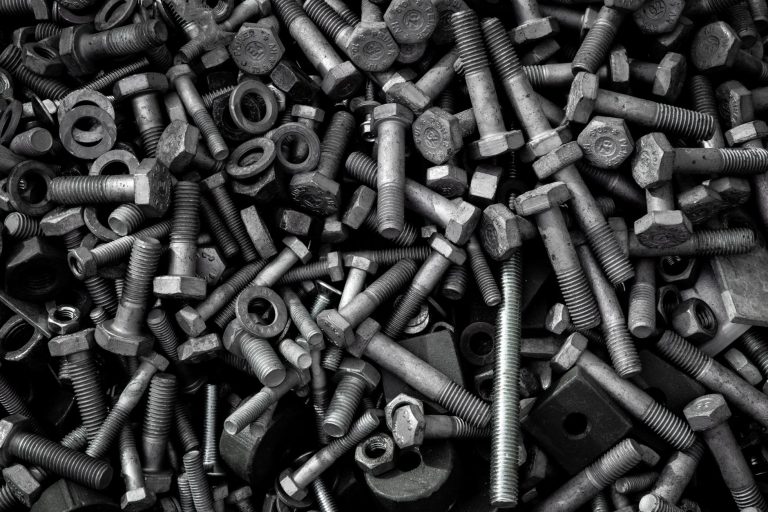
Selecting industrial hardware requires precise understanding of load-bearing requirements, environmental corrosion factors, and material fatigue limits.

Gas struts are pneumatic energy storage devices providing controlled force for lifting and damping applications, requiring precise specification to avoid failure.
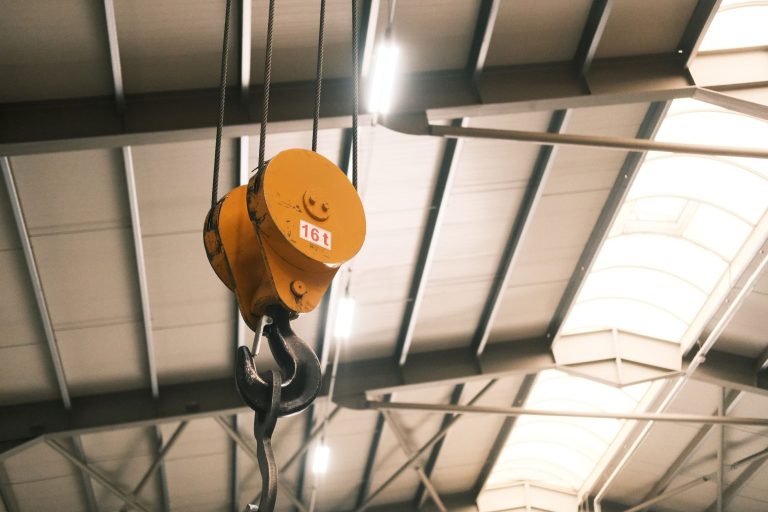
Lift supports are gas-charged struts that use pressurized nitrogen to provide lifting force for vehicle tailgates, bonnets, and boot lids.
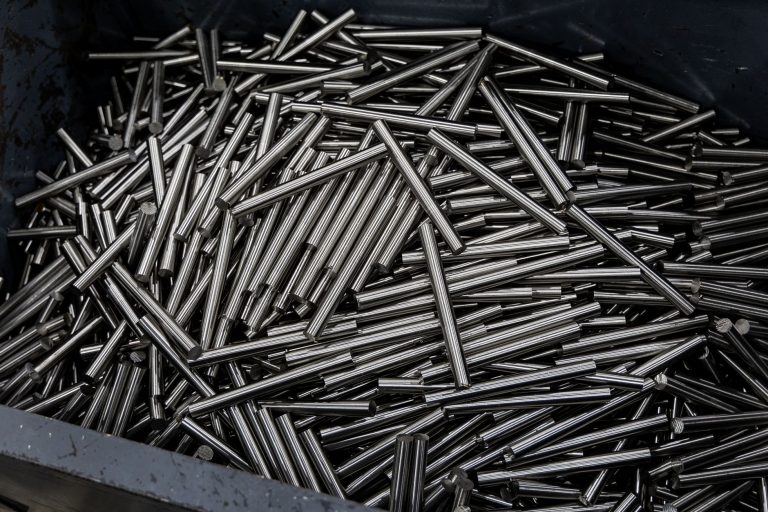
Stainless steel gas springs are precision-engineered components designed for environments where carbon steel would suffer rapid corrosion. This guide details material selection, sizing, and industrial best practices.

Tension springs are helical springs designed to absorb and store energy by offering resistance to a tensile force, returning to a resting state when released.
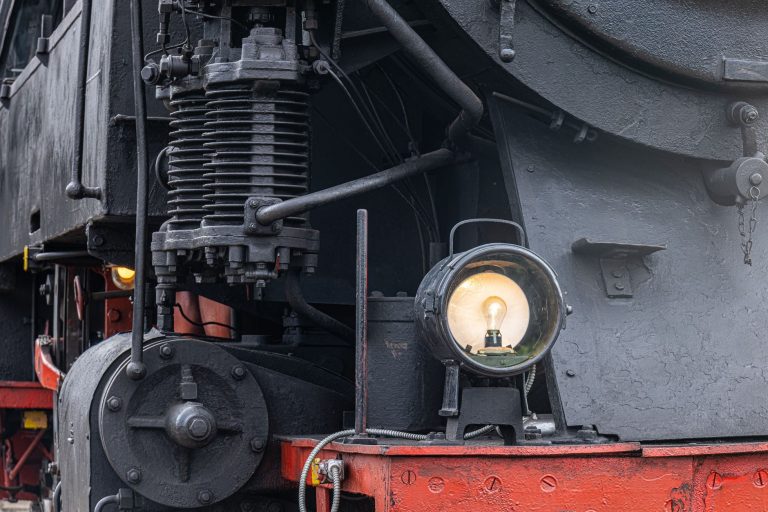
Compression springs are helical mechanical devices designed to resist axial compressive forces, essential for energy storage and dampening in mechanical assemblies.

A spring selection guide provides the technical parameters needed to choose the correct gas spring for lids, hatches, and enclosures. Force calculation, stroke determination, and environmental factors are critical for reliable performance.