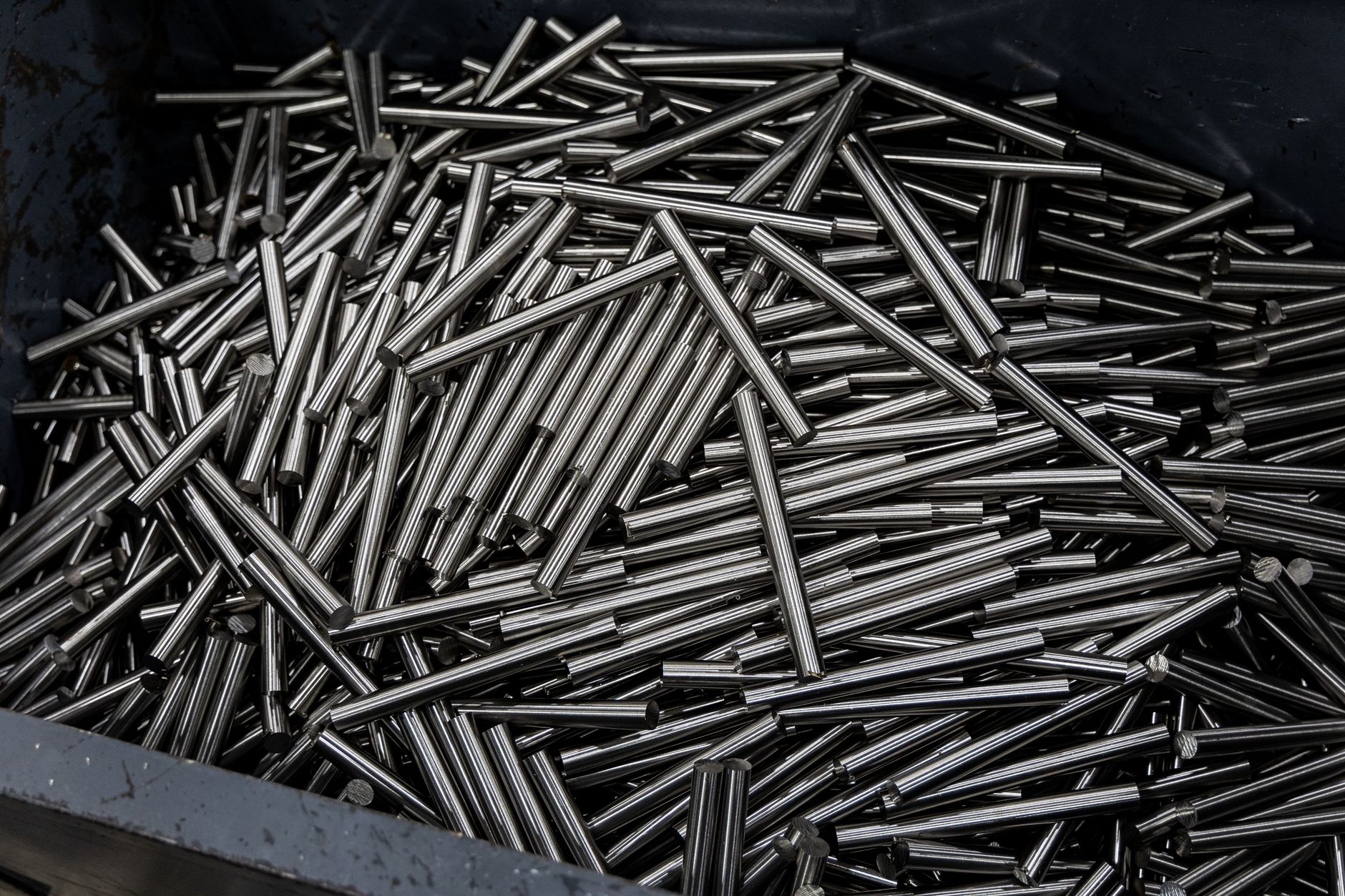
Stainless Steel Springs: Grade Selection and Corrosion Resistance Guide 2026
Stainless steel springs are metallic components manufactured from corrosion-resistant alloys, primarily used where exposure to moisture, chemicals, or temperature extremes renders standard carbon steel springs unsuitable. Choosing the right material ensures the integrity of the spring’s mechanical properties over its intended service life in challenging environments.
⚡ In a Rush? Key Takeaways
- Grade 302 provides 100% of standard tensile strength for general industrial use cases.
- Grade 316 is required for saltwater or chemical exposure to prevent pitting corrosion.
- Stainless steel springs retain elasticity up to 260°C before experiencing material fatigue.
- Correct grade selection extends component lifespan by up to 300% in corrosive zones.
- For marine or pharmaceutical applications, specify 316 stainless to ensure compliance.
What Are the Key Differences Between 302 and 316 Stainless Steel?
Grade 302 is the standard for general mechanical springs, while 316 includes molybdenum for superior resistance to chloride-based corrosion.
Why Choose Grade 302 for General Applications?
Grade 302 is selected for its high tensile strength and economy, making it ideal for standard springs in non-corrosive environments.
In most industrial applications, 302 stainless steel is the default choice. It provides an excellent balance between cost and mechanical performance.
When you require high elastic limits for load-bearing applications, 302 serves as a robust standard. It is widely used in automotive suspension components and machine fasteners.
When Does Grade 316 Become Necessary?
Grade 316 incorporates 2-3% molybdenum to combat pitting, essential for marine, food processing, or chemical industry environments.
If your application involves exposure to salt spray, chlorides, or acidic cleaners, 302 will eventually fail. Grade 316 is specifically engineered to resist these conditions.
- Marine hatch mechanisms
- Pharmaceutical process equipment
- Food and beverage production lines
- Outdoor infrastructure in coastal zones
How Does Temperature Affect Stainless Steel Spring Performance?
Stainless steel springs maintain structural integrity up to 260°C, after which they lose spring rate and risk permanent deformation.
What Are the High-Temperature Limitations?
Above 260°C, stainless steel undergoes rapid relaxation, meaning the spring will lose its ability to return to its original length.
Thermal loading is a major cause of industrial machinery spring failure. When components exceed 260°C, the internal stress distribution changes permanently.
Always verify the temperature range of your specific environment before installation. If the application environment exceeds these limits, consider heat-resistant superalloys.
How Do Sub-Zero Temperatures Impact Steel Springs?
Stainless steel springs remain ductile at cryogenic temperatures, unlike carbon steel which may become brittle and prone to fracture.
Many caravan or marine applications operate in freezing conditions. Stainless steel handles these thermal cycles effectively without losing structural resilience.
What Are the Common Failure Modes for Stainless Springs?
Stress corrosion cracking, hydrogen embrittlement, and material fatigue remain the primary causes of failure for stainless springs.
How Do You Prevent Stress Corrosion Cracking?
Stress corrosion cracking occurs when tensile stress combines with corrosive media; keep stress levels below 40% of ultimate strength.
Over-stressing a spring in a corrosive environment creates micro-fissures. These fissures propagate until the material snaps suddenly.
| Failure Type | Prevention Strategy |
|---|---|
| Corrosion | Upgrade to 316 grade |
| Fatigue | Reduce operating deflection |
| Overstress | Recalculate spring index |
Why Does Hydrogen Embrittlement Occur?
Hydrogen embrittlement happens during chemical cleaning or plating, causing the metal to become brittle and prone to snap.
Avoid exposing high-tensile stainless springs to acid pickling or improper cathodic protection systems. Proper material handling is essential to maintaining ductility.
How Do Design and Manufacturing Practices Affect Performance?
Proper spring design—including spring index, wire diameter, coil count, and end configuration—combined with post‑forming treatments like stress relief and passivation, determines fatigue life and corrosion resistance.
When designing a stainless steel spring, keep the spring index (mean coil diameter ÷ wire diameter) between 4 and 12. Values below 4 cause high stress concentrations that accelerate fatigue, while values above 12 increase the risk of buckling and make coiling more difficult.
After coiling, a low‑temperature stress‑relief bake (typically 350‑400 °C for 1 hour) reduces residual stresses from cold‑working, improving fatigue life. Finally, a passivation bath (nitric or citric acid) removes free iron and creates a protective chromium‑oxide layer, essential for maintaining the corrosion resistance of 302 and 316 grades in harsh environments.
Frequently Asked Questions About Stainless Steel Springs
-
Can stainless steel springs be used in saltwater?
Yes, but you must use 316 grade; 302 grade will develop surface rust and pitting rapidly when exposed to a direct saltwater spray.
-
Are stainless springs magnetic?
Stainless springs are typically slightly magnetic due to the cold-working process required to achieve high tensile strength in the coil.
-
Is the force rating different from carbon steel?
Stainless steel has a lower modulus of elasticity than carbon steel, meaning the spring rate is usually 10-15% lower for the same design.
-
How do I identify the grade of my current spring?
Grade identification is impossible by sight; you must use chemical spot testing or x-ray fluorescence analysis to confirm the alloy composition.